A futuristic agenda for India & Canada
India can draw Canada in a new direction – away from its trans-Atlantic fixation, into the Indo-Pacific and a tech and resources partnership that will benefit both democracies

 Courtesy: Financial Express
India can draw Canada in a new direction – away from its trans-Atlantic fixation, into the Indo-Pacific and a tech and resources partnership that will benefit both democracies
 Courtesy: Wikimedia Commons
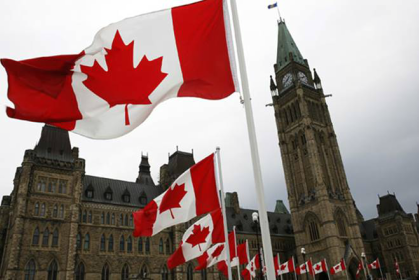
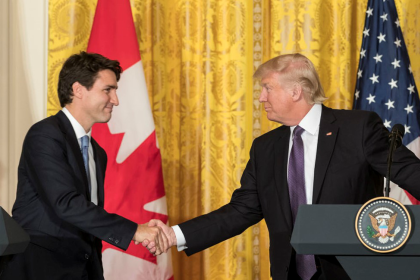
The United States, Europe and the Asia Pacific today form Canada’s tripartite foreign policy priorities. The ASEAN is its sixth largest partner, which was not so 20 years ago, but economic engagement with India – still small, compared to China and Japan – has scope to grow
 Courtesy: Ministry of Foreign Affairs, China
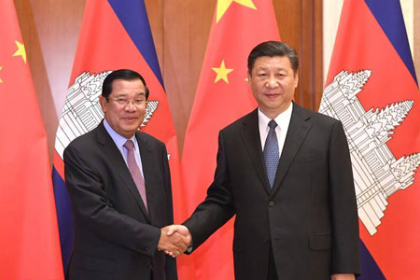
In Cambodia, democracy exists only in form. Liberal values, inculcated by the West, take second place to poverty alleviation and employment. Such priorities have affected its diplomatic allegiances while bilateral relations with India have not expanded
 Courtesy: Competitive India
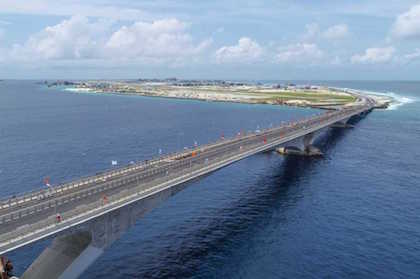
'Strategic OFDI’ is outward foreign direct investment made by nations in their strategic interests. China leads the way, but the U.S. has also just announced a new agency for strategic OFDI. It will now gain increasing salience in global foreign policy.
 Courtesy: Global Gallivanting
India’s millennials, like many in other emerging economies, are optimistic about their future in a way their contemporaries in developed markets are not. Young Indians defer less to tradition and authority, yet cling to convention in many areas of their lives. A new book attempts to plumb the millennial mindset
 Courtesy: Lifeforex
Basing the global oil trade on the Yuan instead of the U.S. Dollar is one leg of China’s bid to convert its currency into the international reserve currency, replacing the dollar-dominated global financial architecture. But many factors impede the Yuan from reaching the maturity required for its global adoption.
 Courtesy: Deccan Chronicle
A major upcoming international conference on the Blue Economy in Nairobi in November will focus on the impracticalities of pursuing any one goal – such as sustainability – to the exclusion of business. In fact, the many interests at stake need not be in conflict with one another, to realize the goal of a true blue economy, in which business must have a significant stake.
 Courtesy: MEA/ Flickr
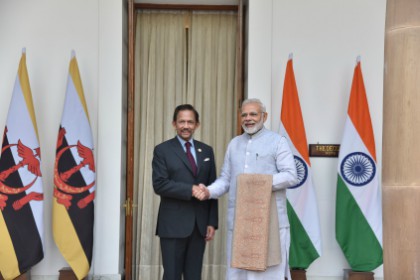
India and Brunei have a 34-year-old diplomatic relationship; but as yet no Indian president or prime minister has paid the country a bilateral visit to strengthen these ties. The strategically-located nation is rich in its history, with a unique political system. Its foreign policy approach is non-controversial, yet noticeably pragmatic.
 Courtesy: Wikipedia
India’s human spaceflight programme calls for a strong symbiosis between the country’s private sector, defence, and civilian agencies. The focus should be on indigenous development to preserve strategic autonomy
 Courtesy: MEA/ Flickr
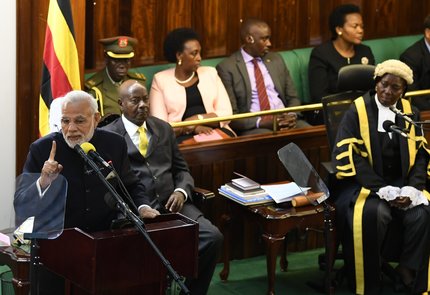
Africa today holds great economic allure for the major powers, which are looking to deepen their partnerships with it. India, which shares a rich past with the continent, has been adopting many measures to step up economic diplomacy in the region