How Iranians see Trump’s hit to the Iran Deal
Scrapping the JCPOA will badly bruise Iran’s economy, citizens and foreign relations; it will have an impact on the U.S.’ allies too

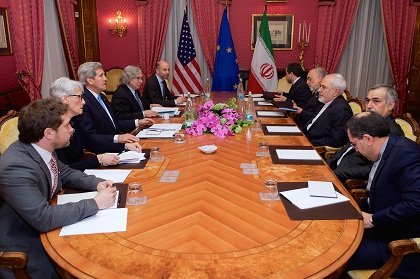 Courtesy: U.S. Department of State/ Flickr
Scrapping the JCPOA will badly bruise Iran’s economy, citizens and foreign relations; it will have an impact on the U.S.’ allies too
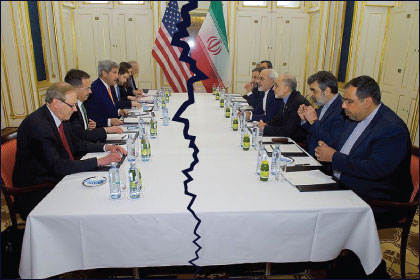 Courtesy: Gateway House
India may end up being the unintended victim of renewed U.S. sanctions on Iran. It will push up the price of oil and cost India billions of dollars annually
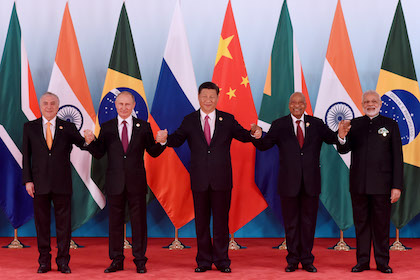 Courtesy: Government of South Africa/ Flickr
Internal political constraints dog it currently, but if overcome, South Africa can be a good chairman to BRICS and IORA in 2018. It also has a tough balancing act to perform between two great Asian powers, China and India
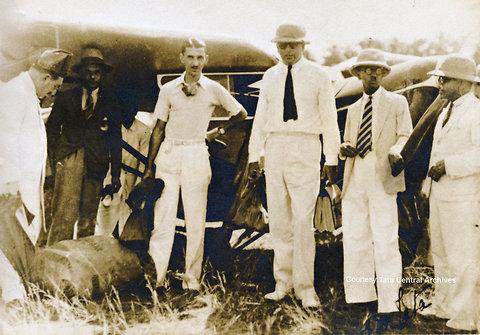 Courtesy: Consulate General of France in Mumbai
All eyes are on the outcome of the French elections next month with its portents of a far right president being the people’s choice. But it was 200 years ago that Bombay forged its French connection. Trade with France ushered in cultural influences while the city’s early nationalists were drawn to the French Revolution’s political philosophy of ‘Liberty, Equality and Fraternity’
 Courtesy: Gateway House
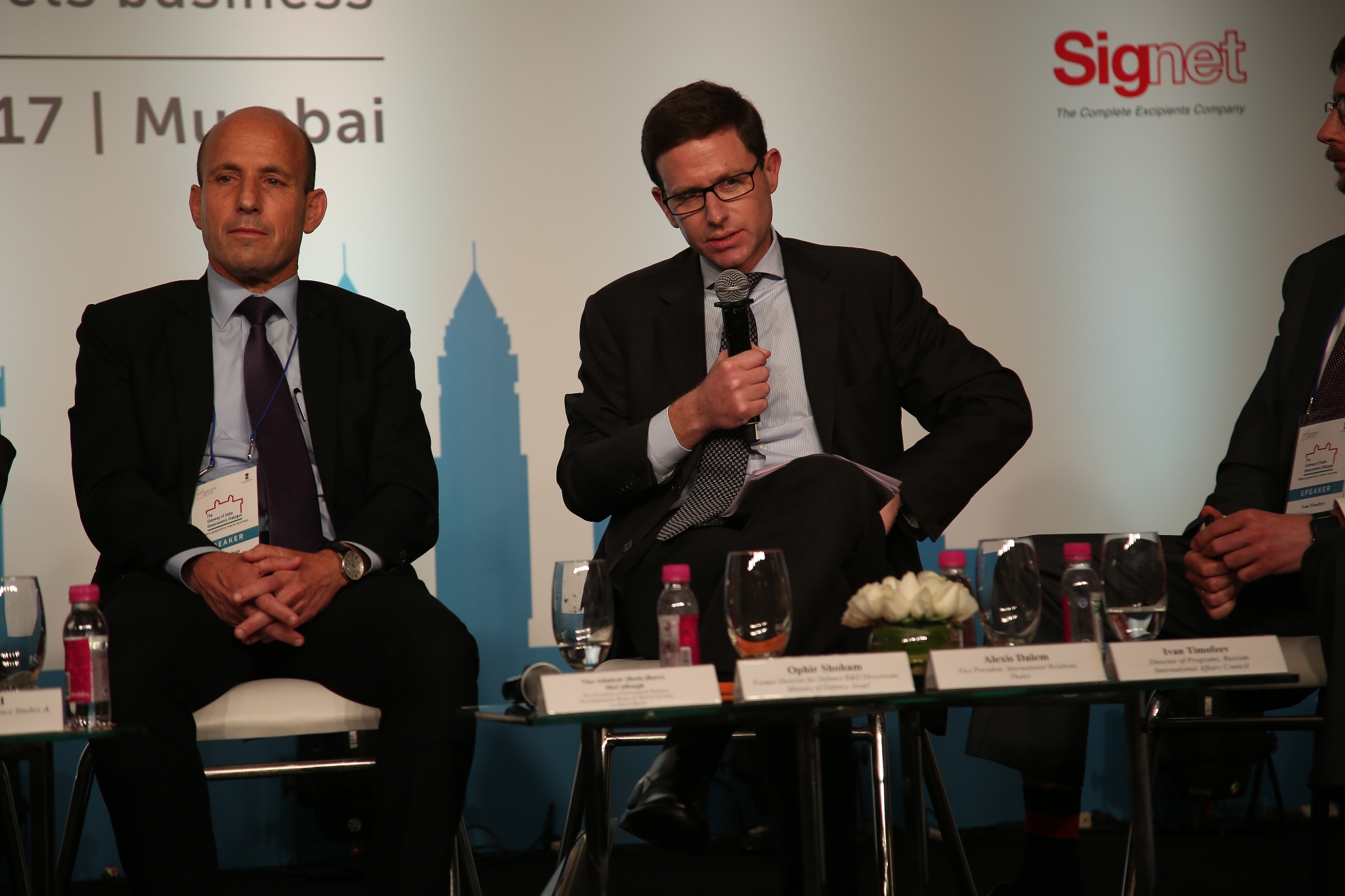
In Alexis Dalem's interview he discusses areas on which Thales and India have collaborated in the past and can collaborate in the future, in the defense, security and aerospace spheres, and under the Make in India policy. He laid emphasis on Thales's policy of willingness for technology transfer and production in India and their ambition to co-develop products and export from India, since they have a strong belief in India's industrial competitiveness and skilled workforce. He further applauds Modi's recent FDI changes in India as it allows for this technology transfer, enables Thales to retain a certain level of control in their subsidiaries in India and creates an investment positive business environment.
 Courtesy: IB Times
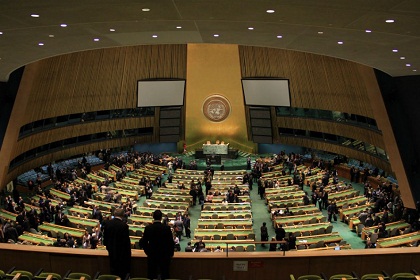
The era of globalisation is drawing to a close and a new one is emerging—an era of bilateralism over globalisation, of domestic over foreign focus, and reality-based policy-making
 Courtesy: Wikimedia Commons
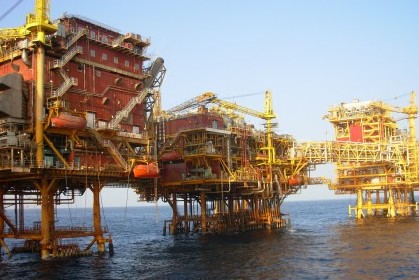
India’s gas consumption is lower than the EU’s, but it too, like the EU, relies heavily on imports. With LNG likely to remain a key part of India’s gas supplies in the future, and given recent changes in the global market, what is the future potential of LNG imports for the EU and India? What are the best energy policies for the two regions?
 Courtesy: Narendramodi.in
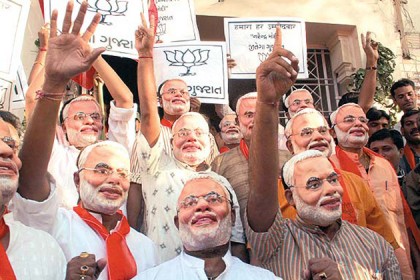
Narendra Modi’s landslide victory in India's 2014 general elections, despite his hardline nationalist image, was viewed as a localised phenomenon. But two years later, voters across the world from Europe to Philippines seem to be tilting towards leaders with the same nationalist tag.
 Courtesy: Wikimedia
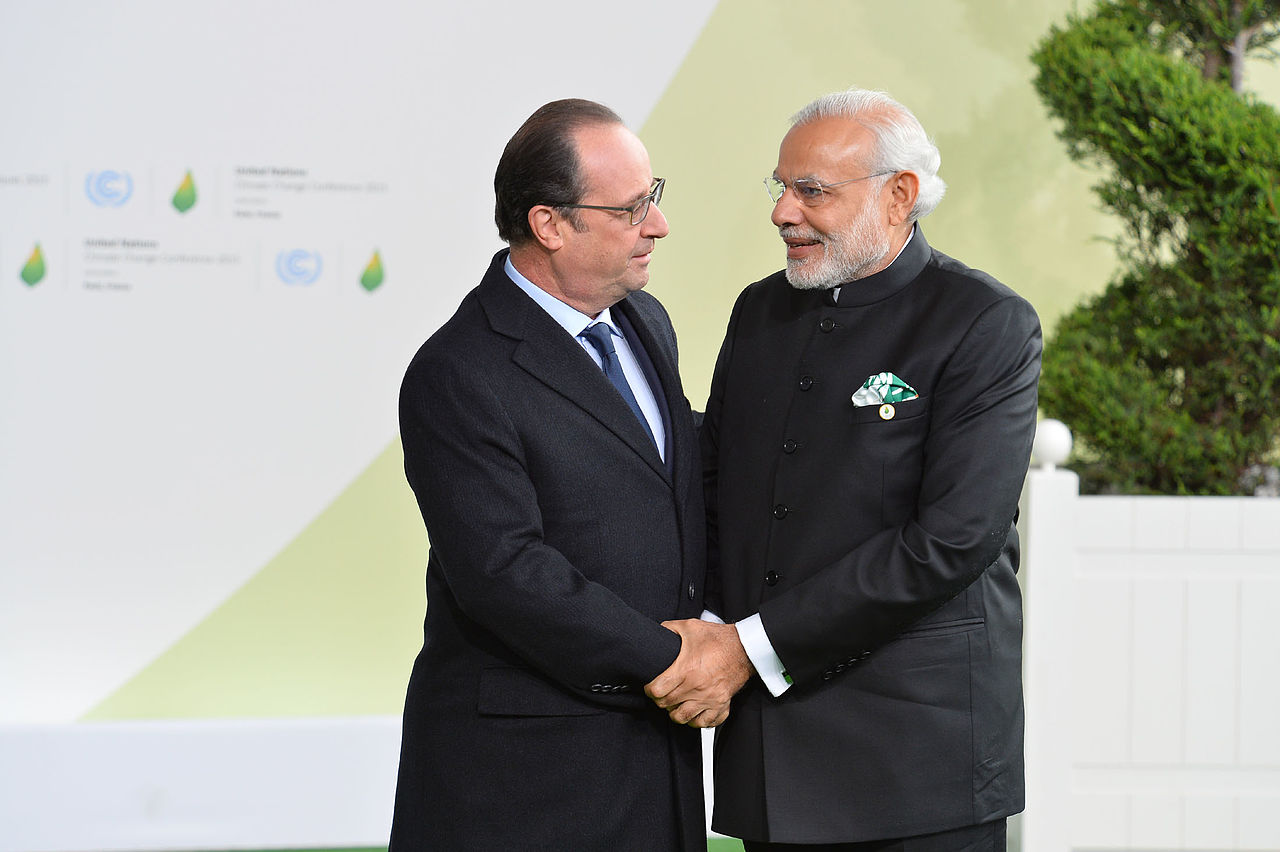
French President Hollande was the chief guest at the Republic Day parade on 26 January 2016. India-France relations, post President Hollande’s visit, are promising, and will have a positive impact on Prime Minister Modi’s scheduled visit to Brussels later this year including India's trade with the EU. Informed citizenry should appreciate the huge stakes involved.
 Courtesy: COP Paris / Flickr
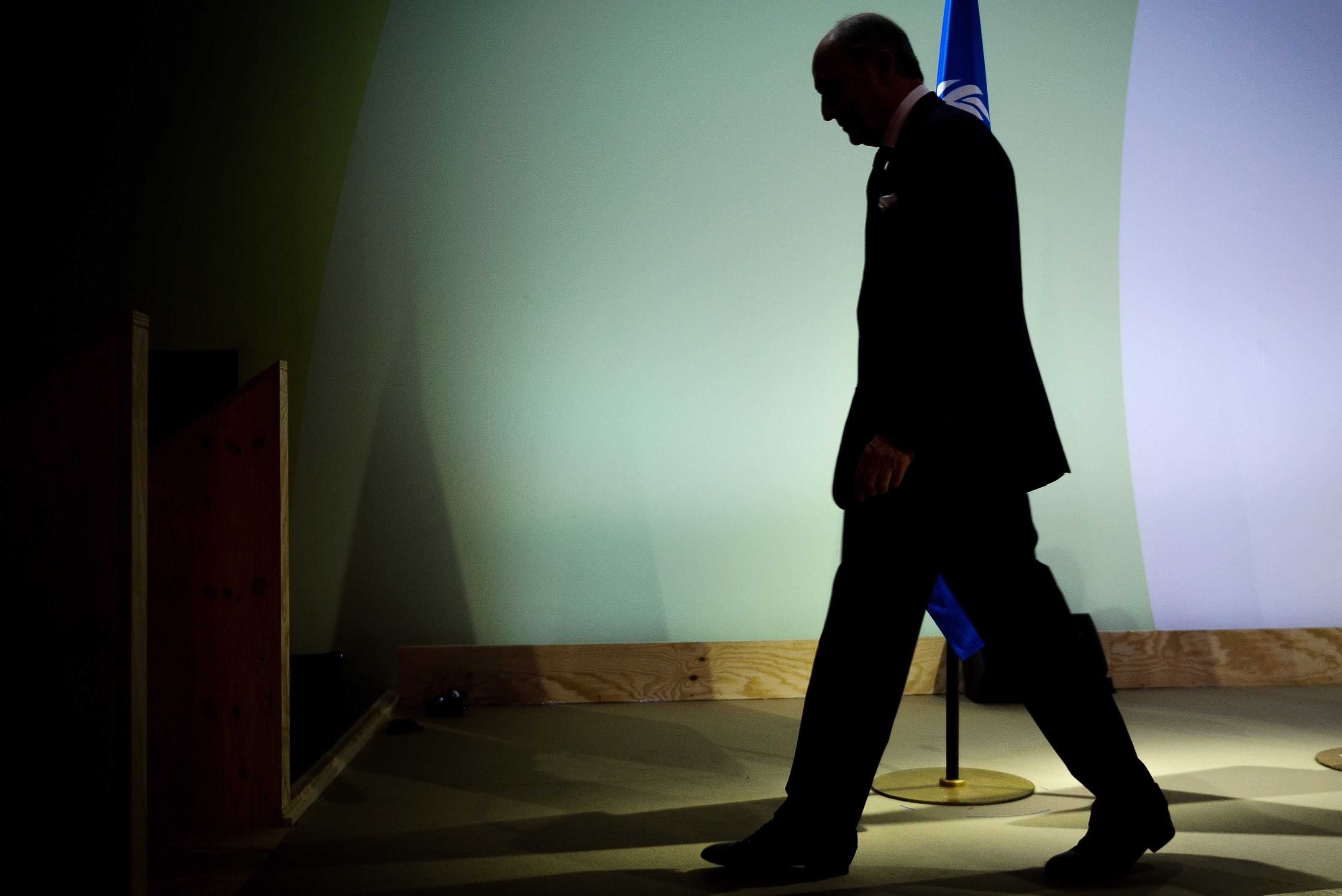
COP21 is a reality check for those who like to believe that geopolitical power is shifting from West to East. The just-concluded Paris Climate Summit was essentially about the early-to-develop Western powers continuing to exercise almost complete control over global governance structures, largely through the dominance of markets.