G7s1 Courtesy: The Print
4 July 2022

What did the G7 achieve?

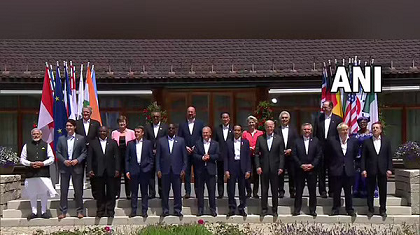
The shadow of the Ukrainian war was visible at the G7 summit. Anti-Russian formations were expected, but the extensive reference to China drew attention. The leaders did their part by extensively discussing challenges relating to climate, energy, environment, health, and food security. It is now for the G7 governments to deliver, to be taken seriously.
brics-2 Courtesy: oneindia.com
30 June 2022

BRICS – the rhetoric and the reality

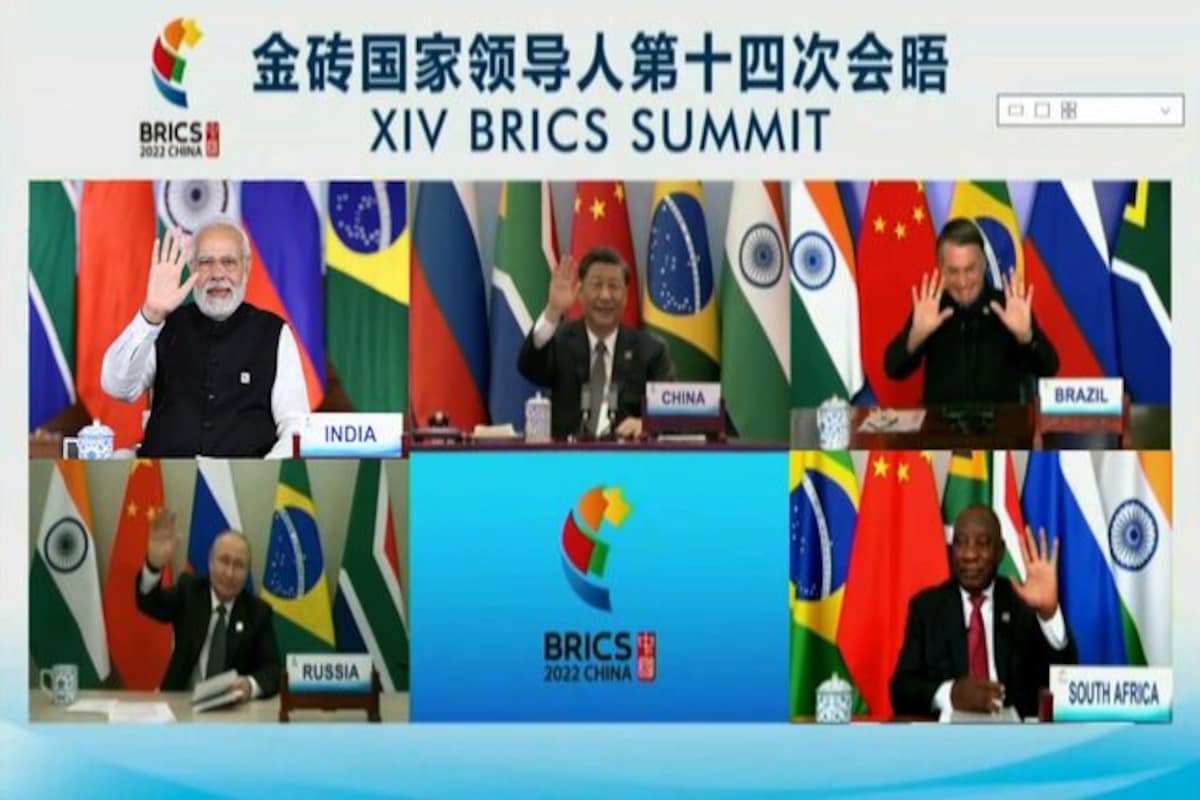
The Galwan crisis, pandemic and the Ukrainian war have weakened the BRICS’ credibility, a forum that has played a pivotal role in articulating the case for reformed multilateralism. Beyond grandiose rhetoric and vested interests, these five nations need to first infuse the grouping with internal solidarity and enhance mutual trust for peace, stability and prosperity in the Global South.

CHINA SYMPOSIUM AMB. BHATIA Courtesy: Gateway House
12 May 2022

BRICS Think Tank Symposium

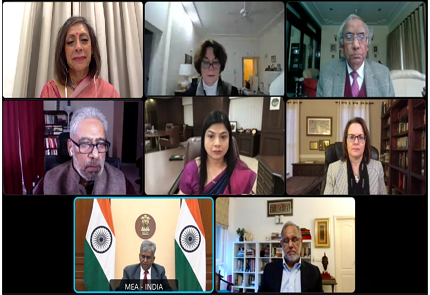
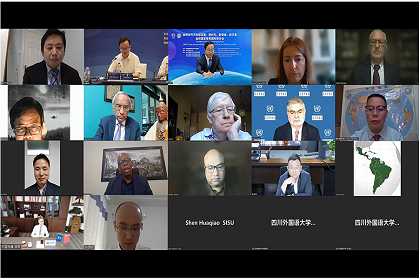
On May 6, 2022, Amb. Rajiv Bhatia presented his remarks at the BRICS Think Tank Symposium held in Chongqing, China. Ambassador Bhatia traced the Ukrainian war crisis and its linkage to the grouping, while also elucidating that the Sino-Indian stalemate on transboundary disputes, UNSC membership permanency and leadership within the global south has harmed effective resolutions in the multilateral forum.

Untitled design (6) Courtesy: Gateway House
10 February 2022

Panel Discussion on India in the Indo-Pacific

On 1 February 2022, Gateway House and the U.S. Embassy, New Delhi, co-hosted a panel discussion on India in the Indo-Pacific: Pursuing Prosperity and Security. The panelists explored the comprehensive role that India can play in the Indo-Pacific from the perspective of business, think tanks, academia and diplomacy.

G20 Rome summit, marching ahead Courtesy: G20
4 November 2021

G20 Rome summit, marching ahead

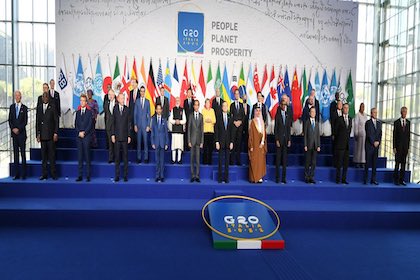
The Oct 30-31 G20 Leaders’ Summit in Rome took several important steps to accelerate economic recovery and health security. In the absence of several Eurasian leaders, India played a significant role especially on climate and energy. The G20 will now acquire greater salience in India's foreign policy, as it readies to lead the grouping in 2023.

Measuring BRICS summit outcome Courtesy: Press Information Bureau, Government of India
14 September 2021

Measuring 15 years of BRICS

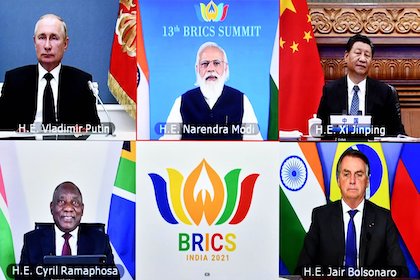
India hosted the 13th BRICS summit on September 9, celebrating 15 years of the multilateral. The leaders committed to fighting terrorism and reforming multilateral organisations, among other diverse aspects. However, the grouping clearly needs better implementation strategies if the agreements reached, are to be truly successful.

Courtesy: Ministry of External Affairs Courtesy: BRICS Forum - India 2021
2 September 2021

Is BRICS still relevant?

The 13th BRICS summit will be held virtually on 9 September 2021 and India is the host. The grouping has managed to hold its ground in an era of increasingly complex geopolitics. While immediate goals are important, in the longer term it must cooperate on counter terrorism, improve trade and work towards the Sustainable Development Goals.

shutterstock_1091235845 Courtesy: Shutterstock
15 October 2020

UN: Necessary but reformed

The UN turned 75 this year but instead of grand celebrations, the world witnessed an empty UNGA with world leaders addressing it via video screening because of the pandemic. The UN is under unprecedented stress and being shown up for its inability to tackle the challenges of today like the pandemics, climate change, terrorism or global peace and security. The institution's key governing structures, especially the UN Security Council, are inadequate and demand reform. India must now use gritty resolve to ensure its place in these governing structures.

shutterstock_777026497 Courtesy: Shutterstock
13 August 2020

We own your Face!

Facial recognition technology has emerged as an important identification tool. Big tech, social media companies and governments around the world use it and hold an unprecedented power over individuals and communities. Its use for surveillance purposes has brought it under public scrutiny. The technology has still not been perfected. Is it really ready for adoption?