The Emerging Exception
The traditional label of ‘middle power’ fails to capture India’s growing status. The country’s ability to shape the international discourse is no longer in question. India sees itself as a key player the global order.

 Courtesy: The Diplomatist
The traditional label of ‘middle power’ fails to capture India’s growing status. The country’s ability to shape the international discourse is no longer in question. India sees itself as a key player the global order.
 Courtesy: East Asia Forum
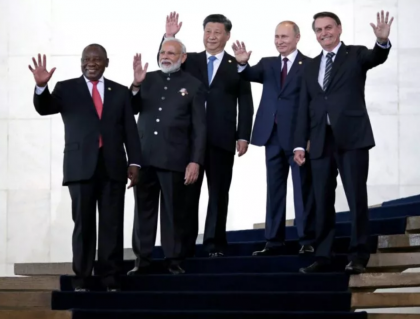
The traditional power structures of ‘unipolarity’ or ‘bipolarity’ prevalent over the past 80 years are no longer appropriate to describe the current global order, with more countries increasingly supporting the evolving multipolar world. With the old ‘rules-based’ order becoming less relevant, emerging powers like India have an opportunity to draft more equitable rules to match their multipolar intentions.
 Courtesy: Körber-Stiftung
The world is undergoing profound transformations that are not being driven only by the United States, China or Russia. Small and medium-sized States are carving out a legitimate place for themselves in the emerging new order. This second edition of our annual Emerging Middle Powers Report is a reminder that the signs of the times are showing a new momentum for middle powers.
 Courtesy: Evraz
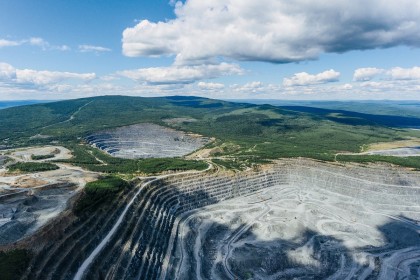
Three years into the war with Ukraine, Russia has adapted to the changed economic scenario. It’s an ideal time for India and Russia to step up their economic engagement, especially as India seeks resources in energy and critical minerals for growth. However, Indian companies are wary of using these opportunities and are missing out on access to the world’s larges and most mineral-rich region.
 Courtesy: Atlantic Council
The recent visit of the European Commission President Ursula von der Leyen, and the EU College of Commissioners to India, is a testament to its view of India as a key voice in the Global South and a stabilising force amidst a rapidly changing global dynamic. However, a strong push is required to elevate their transactional relationship into something more meaningful for both parties.
 Courtesy: Investopedia
The Bank of England was in the news because of the ‘gold squeeze’- traders moving gold from London to New York to profit from the price arbitrage. An informal version of this is taking place between Bangladesh and India.
 Courtesy: President of Russia-Events website
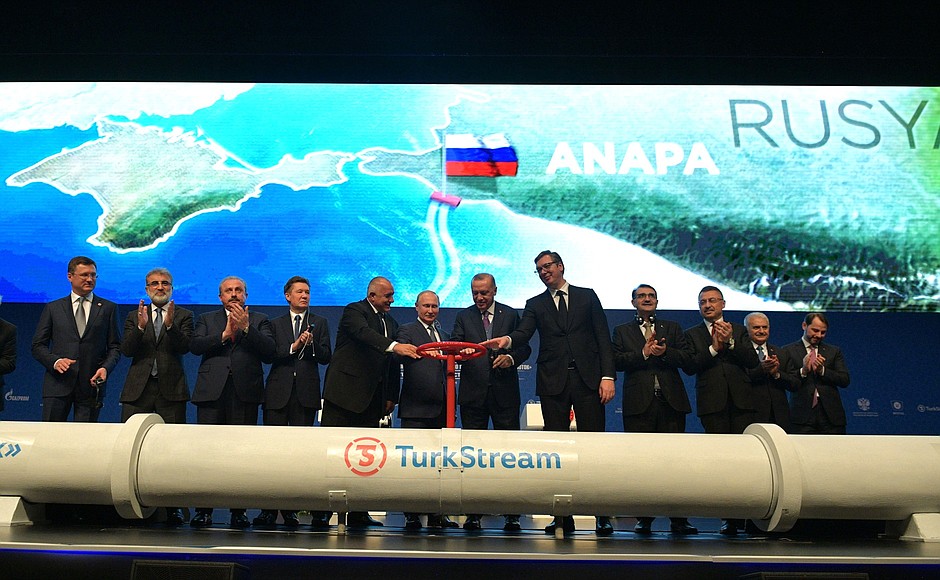
Europe has reduced its reliance on Russian gas following the war in Ukraine, and its chief supplier Russia is mired in western sanctions. What does it mean for Russia? It has certainly changed the fortunes for American gas to be sold to Europe: as of 2023, the US had become the world’s top exporter of gas.
 Courtesy: Oxford University Press
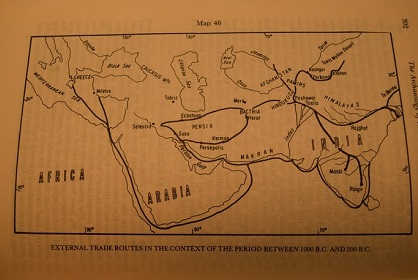
The India Middle-East Europe Economic Corridor (IMEC) announced during India’s G20 leaders’ summit in September 2023 aims at security and ease of connectivity by multi-modal physical, digital and energy corridors connecting India, UAE, Saudi Arabia, Israel, and Europe. Like many of the connectivity projects created around the world today, IMEC’s origins are 2,300 years old, ancient routes that connected the Indian Ocean to the Mediterranean Sea
 Courtesy:
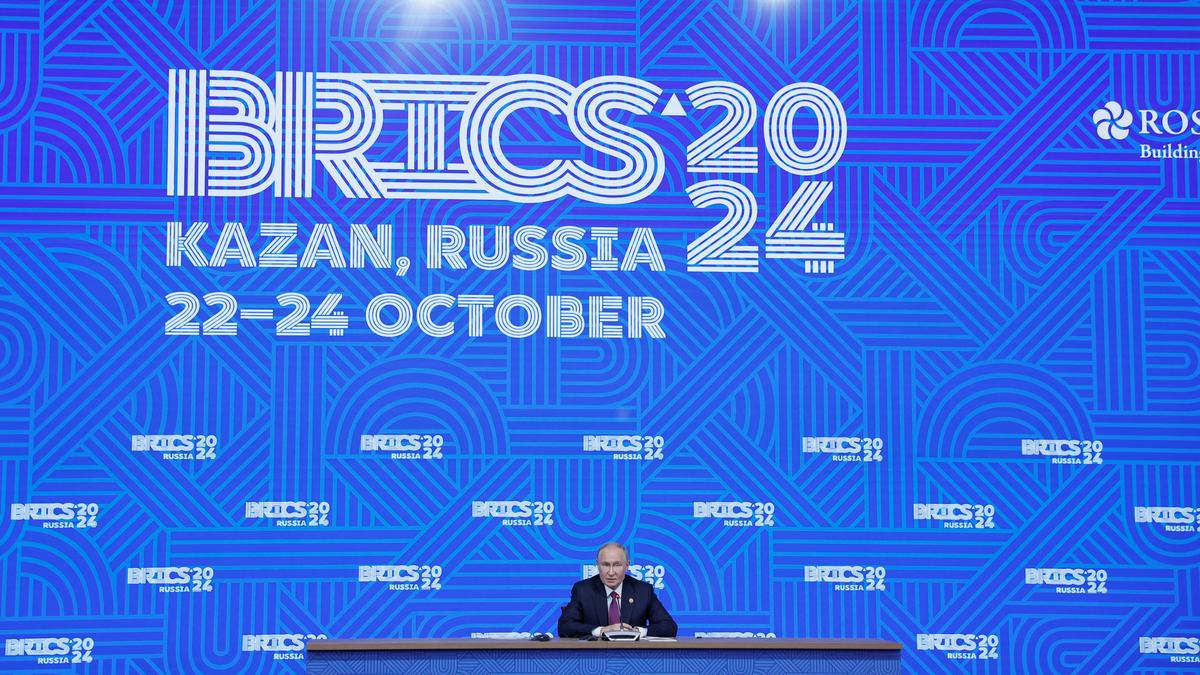
The 16th BRICS Summit, held in Russia’s Kazan in October, was the first summit of the expanded grouping. With 13 new partner states invited, it revealed how increased membership has the potential to enhance the grouping’s influence. For India, BRICS serves as a bridge between the west, the east, the north and the south, making New Delhi the geopolitical sweet spot.
 Courtesy:
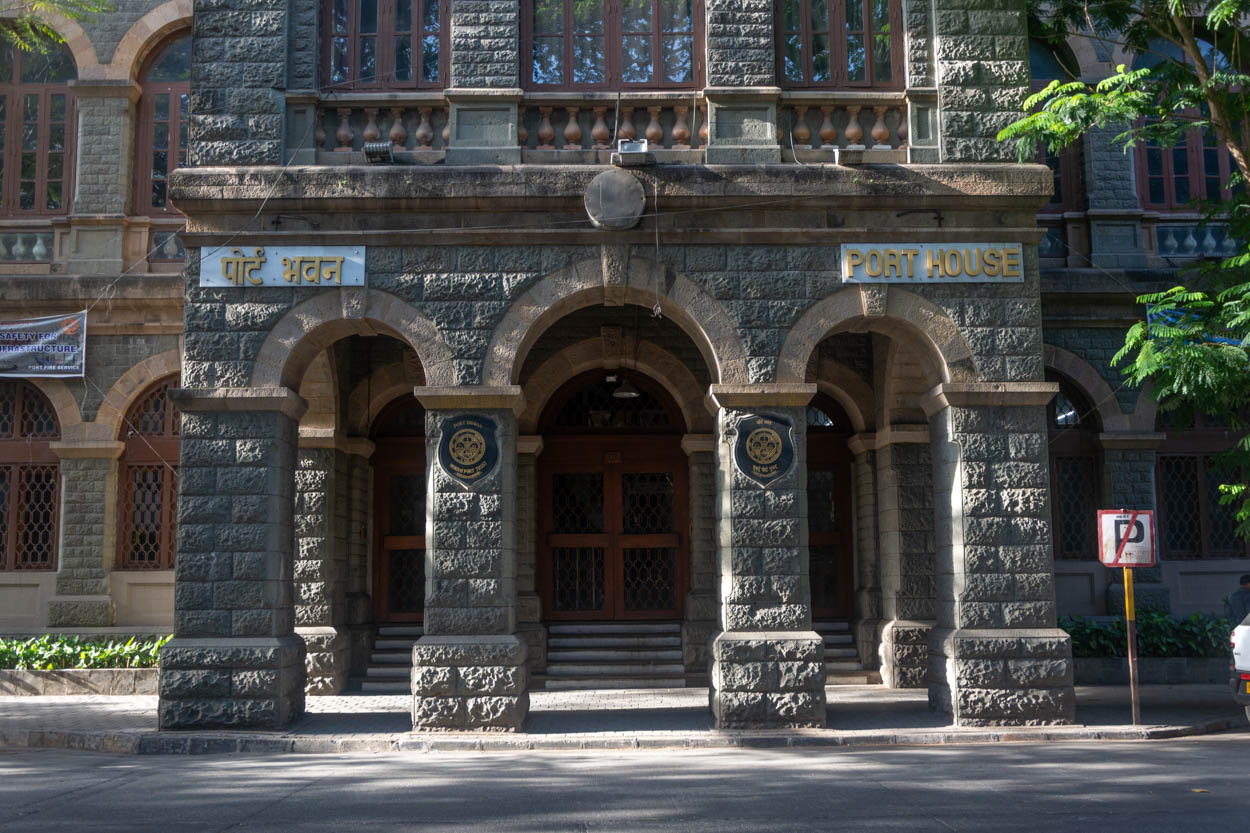
Mumbai and Antwerp share a history from the 18th century. Traffic between the two ports expanded with Belgium among the top three European countries trading with Bombay. After the Second World War, both cities developed a chemical industrial complex adjoining their ports. Today their centuries-old connections have come full circle with an active collaboration between their port authorities.