The Dhaka gold squeeze
The Bank of England was in the news because of the ‘gold squeeze’- traders moving gold from London to New York to profit from the price arbitrage. An informal version of this is taking place between Bangladesh and India.

 Courtesy: Investopedia
The Bank of England was in the news because of the ‘gold squeeze’- traders moving gold from London to New York to profit from the price arbitrage. An informal version of this is taking place between Bangladesh and India.
 Courtesy: Reuters
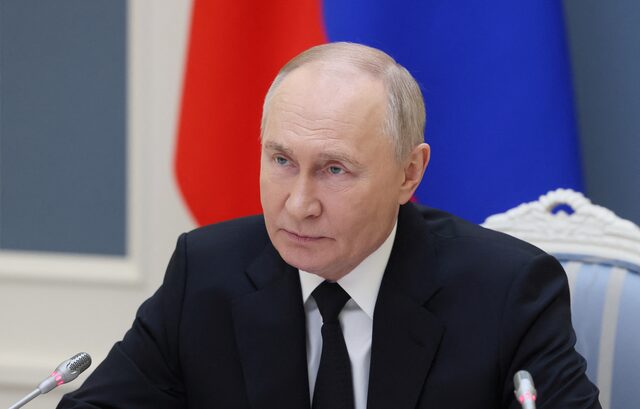
The 18 February bilateral negotiations between Russia and the U.S. to end the war in Ukraine, will take Russia out of western isolation and put it back into the global mainstream. This is a success for President Vladimir Putin, who has now been ruling Russia for 25 years, by focusing on domestic stability and development and a revival of relations with the West, China and India.
 Courtesy: President of Russia-Events website
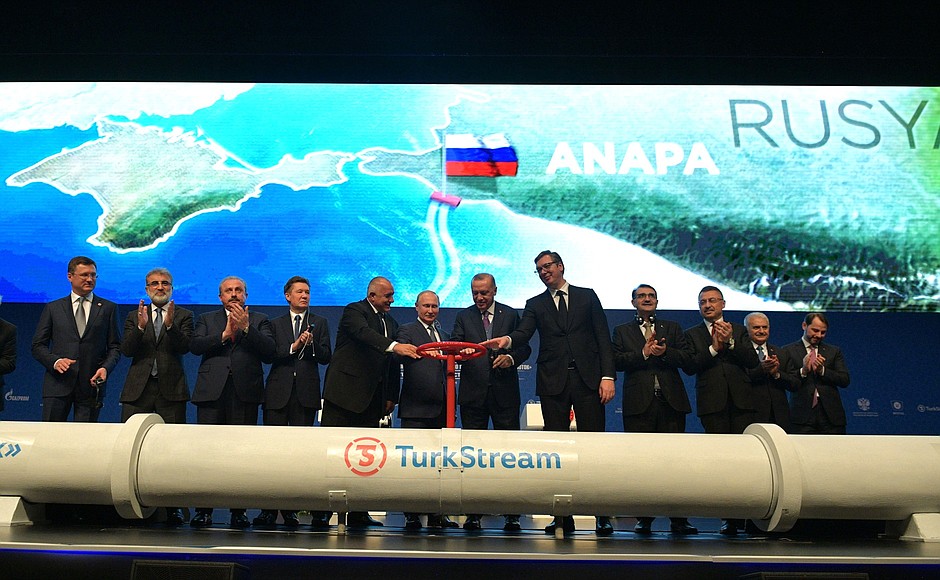
Europe has reduced its reliance on Russian gas following the war in Ukraine, and its chief supplier Russia is mired in western sanctions. What does it mean for Russia? It has certainly changed the fortunes for American gas to be sold to Europe: as of 2023, the US had become the world’s top exporter of gas.
 Courtesy: Oxford University Press
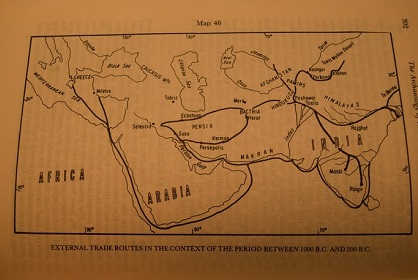
The India Middle-East Europe Economic Corridor (IMEC) announced during India’s G20 leaders’ summit in September 2023 aims at security and ease of connectivity by multi-modal physical, digital and energy corridors connecting India, UAE, Saudi Arabia, Israel, and Europe. Like many of the connectivity projects created around the world today, IMEC’s origins are 2,300 years old, ancient routes that connected the Indian Ocean to the Mediterranean Sea
 Courtesy: NBC News
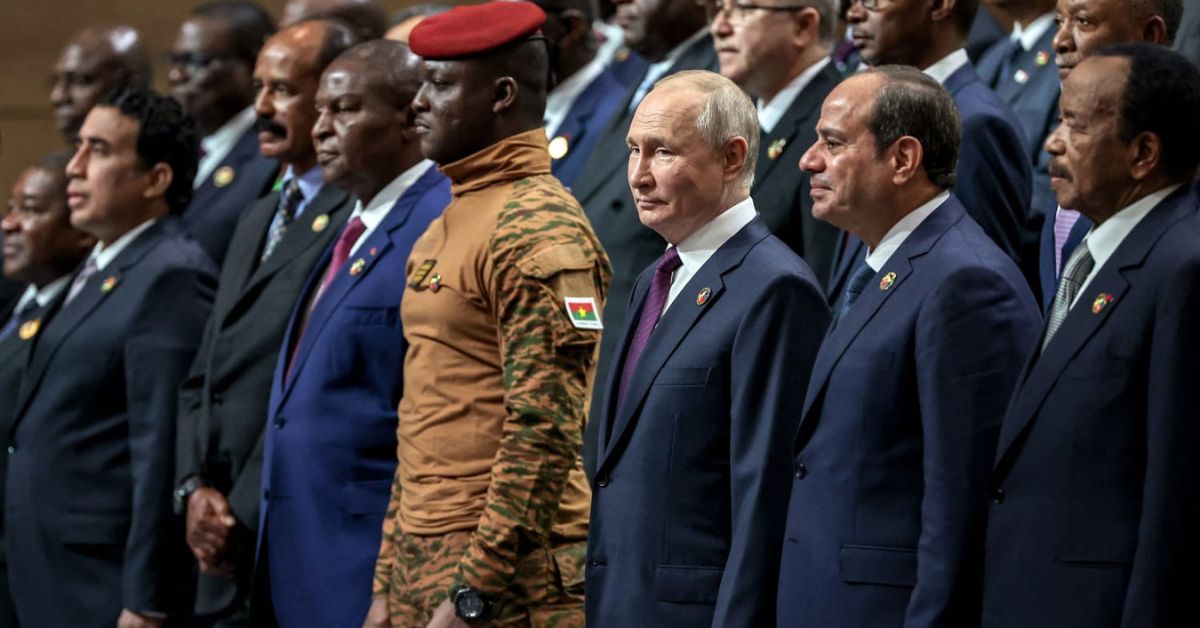
Since the Ukraine crisis, Russia has been positioning itself strategically in the African continent, strengthening bilateral ties and addressing regional security issues. It is leveraging economic, energy, agriculture and military ties and investments in order to be seen as serious a counterweight to the U.S. and the European Union’s presence in the continent.
 Courtesy:
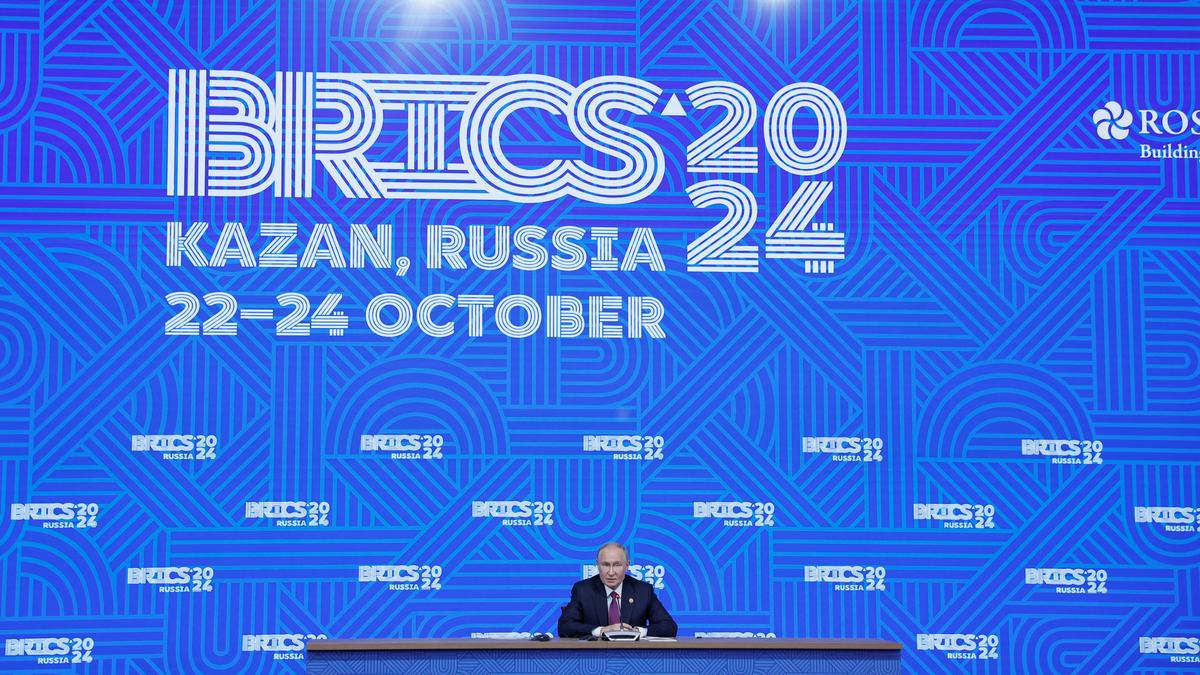
The 16th BRICS Summit, held in Russia’s Kazan in October, was the first summit of the expanded grouping. With 13 new partner states invited, it revealed how increased membership has the potential to enhance the grouping’s influence. For India, BRICS serves as a bridge between the west, the east, the north and the south, making New Delhi the geopolitical sweet spot.
 Courtesy:
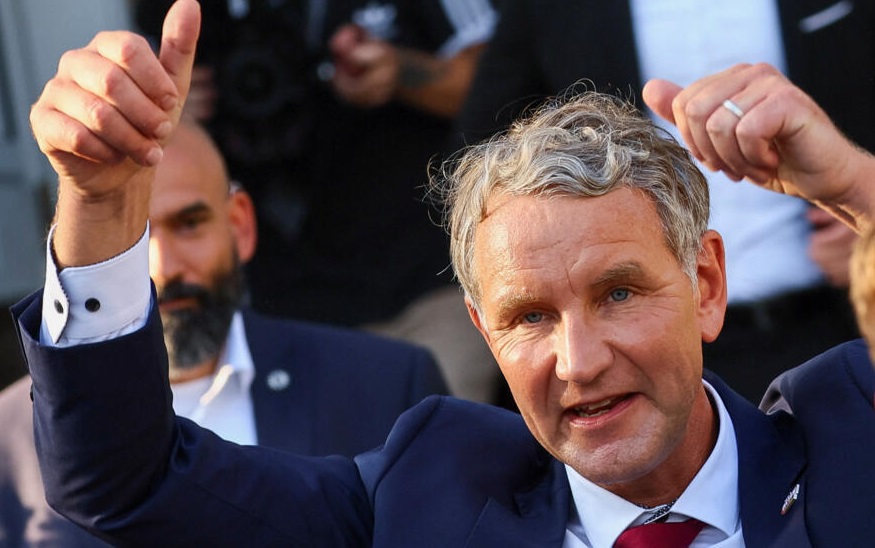
Recent state elections in Brandenburg, Saxony and Thuringia in east Germany saw the far-right Alternative for Democracy (AfD) and the left-wing Bündnis Sahra Wagenknecht (BSW) make significant gains in vote share. With German federal elections just a year away, major parties like the ruling CDU and SPD which have seen voter support erode considerably, will now have to re-strategise to stay relevant in Germany’s transforming political landscape.
 Courtesy:
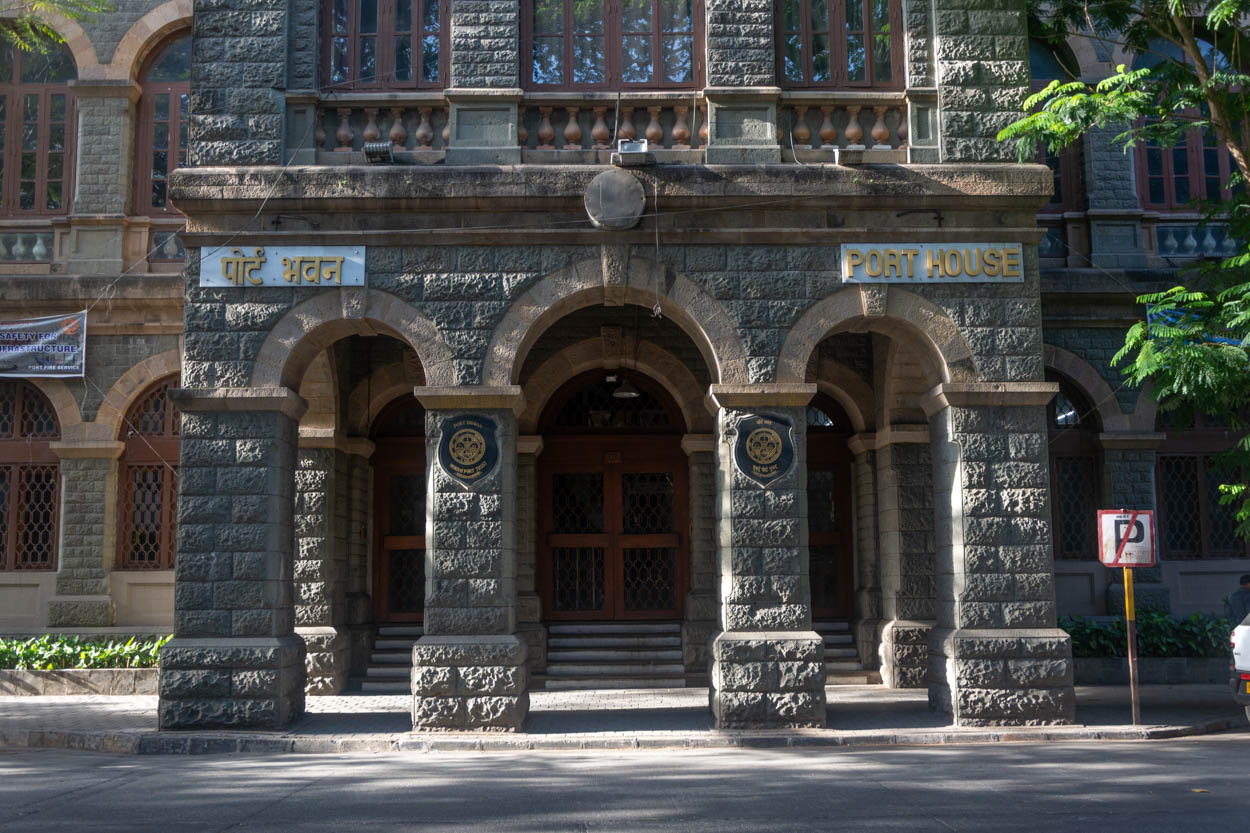
Mumbai and Antwerp share a history from the 18th century. Traffic between the two ports expanded with Belgium among the top three European countries trading with Bombay. After the Second World War, both cities developed a chemical industrial complex adjoining their ports. Today their centuries-old connections have come full circle with an active collaboration between their port authorities.
 Courtesy:
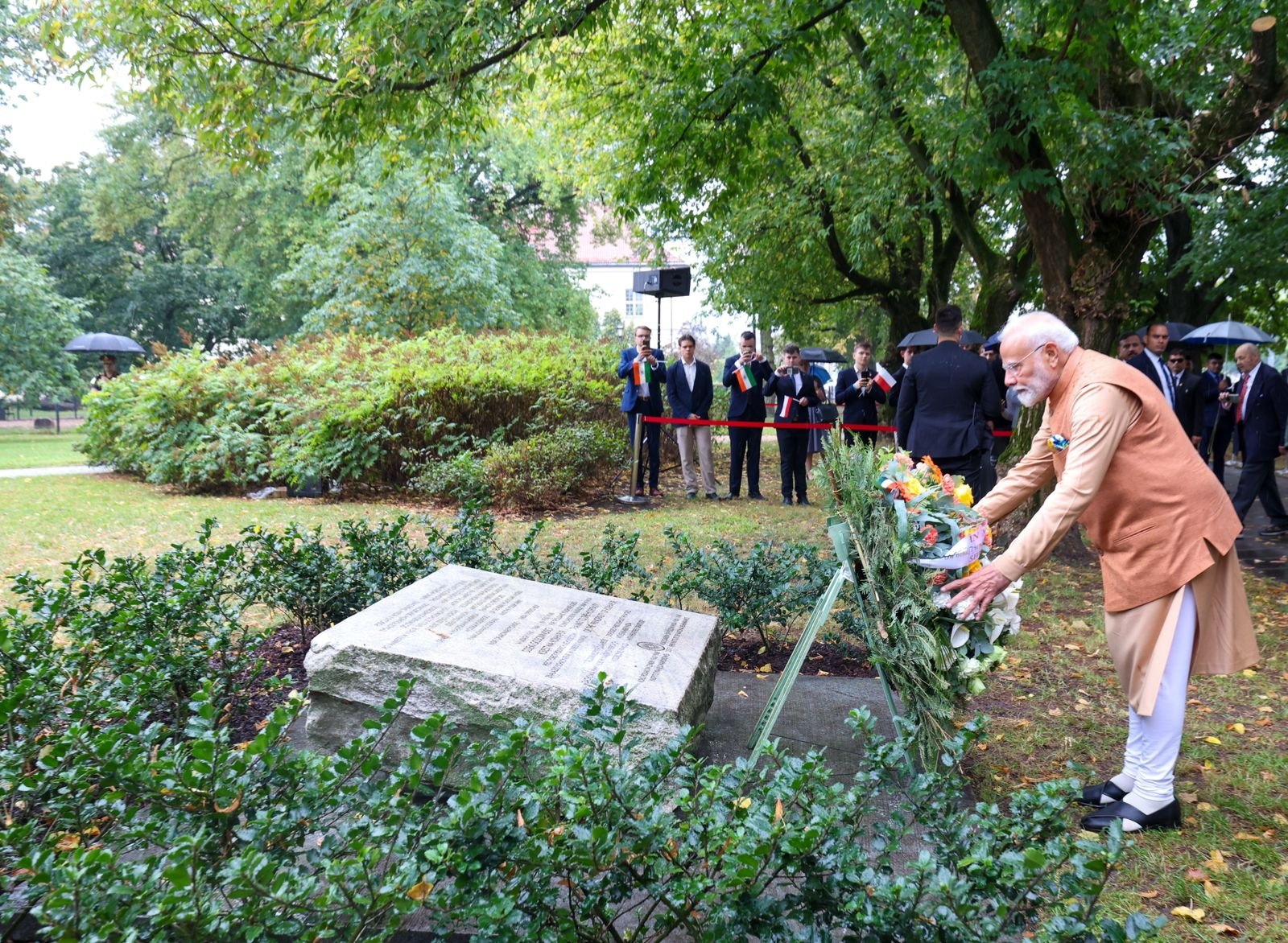
Prime Minister Narendra Modi is on an official two-day visit to Poland, the first by an Indian leader in 45 years, commemorating 70 years of India-Poland diplomatic relations. His trip has emotional significance for Poles, as India hosted thousands of Polish refugees during the Second World War. Bombay was the fulcrum from where the rescue, housing, health, and education of Polish children, women, and elderly were undertaken.
 Courtesy:
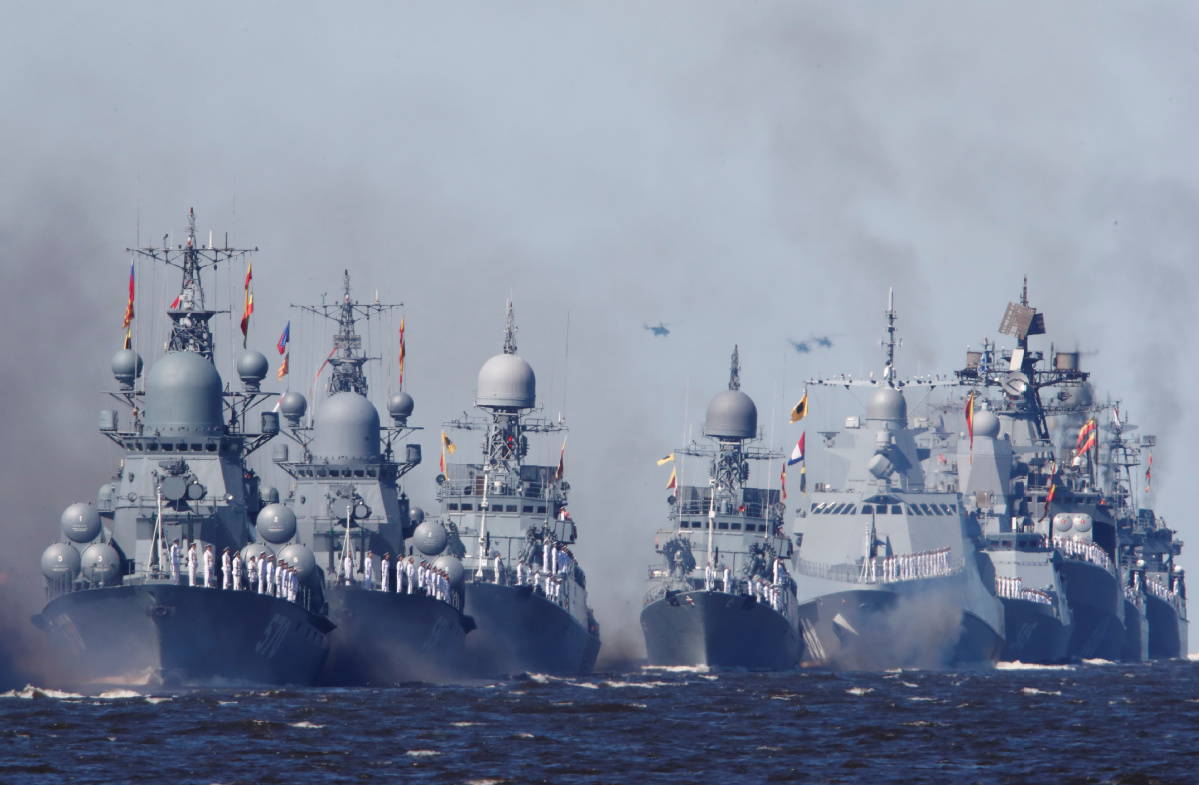
Russia has begun to make its presence felt in the Indo-Pacific as an independent player. A slew of high-level visits has shown Russian intention to engage, following its isolation by the West. The region is ambivalent, but open to listening to multipolar voices.