East Asia Forum Courtesy: East Asia Forum
26 June 2025

Canada, India and the G7 Summit

Most multilateral and plurilateral institutions have lost their significance and ability to shape the trajectory of international relations today. The G7 is no exception. It is impacted by the shift of power from the Atlantic to the Pacific, and an intra-Atlantic rift. The G7 discussions reflected this. More positive were the sideline discussions on repairing the India-Canada bilateral.

Website articles  (21) Courtesy: News Arena India
12 June 2025

G7 Summit: Plethora of opportunities

Canadian Prime Minister Carney can use the upcoming G7 summit he is hosting to advance the North-South dialogue and cooperation and also to discuss the strained bilateral with India. India can articulate the viewpoint of the Global South, stressing its conviction that the G7 is better served by constructively working with developing and emerging economies.

Getty (1) Courtesy: Gateway House
15 May 2025

The New Geopolitics and South Asia’s Trade Architecture – What Next?

Geopolitics is increasingly intertwined with the economic destiny of South Asia. Even before the U.S. tariffs were rolled out, growing polycrises had hit the global economy, which has been struggling since the pandemic. South Asia seems a relatively bright spark of regional trade and growth. This paper analyses South Asia’s trade architecture in the backdrop of a sluggish world economy in the 2020s, and makes recommendations for closer regional economic integration.

Website articles  (12) Courtesy: Gateway House
15 May 2025

U.S., global emperor of sanctions

Over two centuries, the U.S. has amassed vast economic powers across the globe during and after the two World Wars , and sanctions slowly became an effective tool it used to achieve its foreign policy goals, becoming the global emperor of sanctions.

World Leaders Courtesy: East Asia Forum
17 April 2025

Multipolarity is gaining ground

The traditional power structures of ‘unipolarity’ or ‘bipolarity’ prevalent over the past 80 years are no longer appropriate to describe the current global order, with more countries increasingly supporting the evolving multipolar world. With the old ‘rules-based’ order becoming less relevant, emerging powers like India have an opportunity to draft more equitable rules to match their multipolar intentions.

Report Courtesy: Körber-Stiftung
17 April 2025

Momentum for Middle Powers: Emerging Middle Powers Report

The world is undergoing profound transformations that are not being driven only by the United States, China or Russia. Small and medium-sized States are carving out a legitimate place for themselves in the emerging new order. This second edition of our annual Emerging Middle Powers Report is a reminder that the signs of the times are showing a new momentum for middle powers.

2024-10-24T162134Z_1804345792_RC23RAA5M4T3_RTRMADP_3_RUSSIA-BRICS-PUTIN Courtesy:
13 November 2024

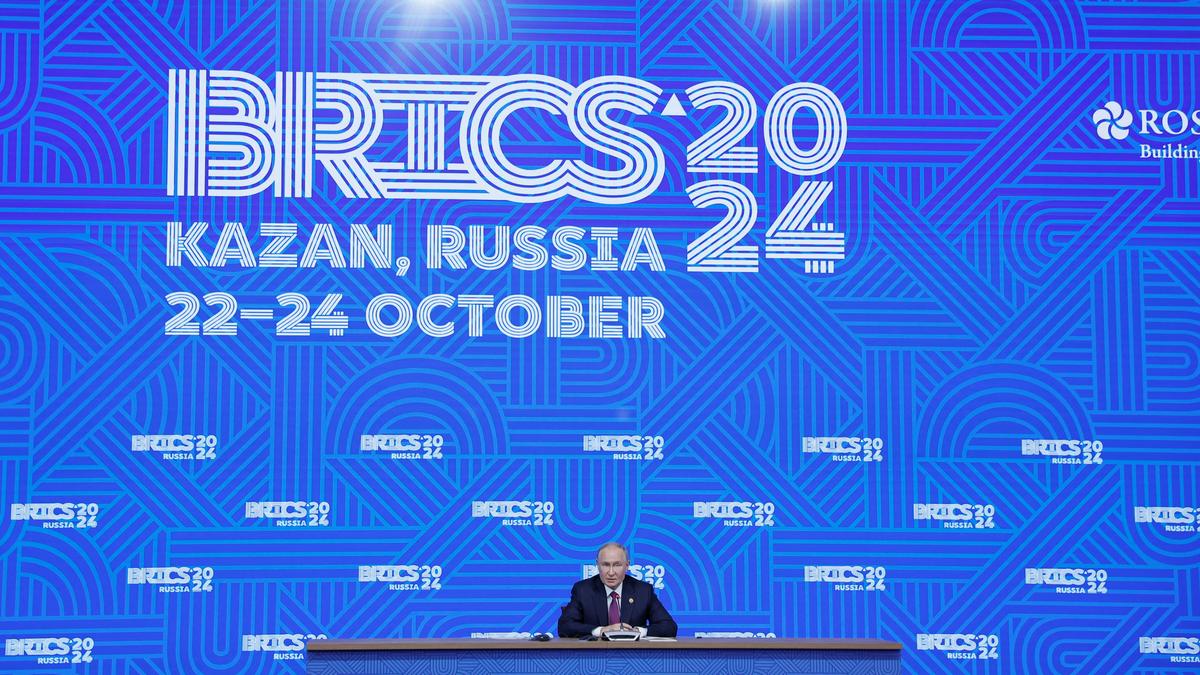
BRICS gains heft while in transition

The 16th BRICS Summit, held in Russia’s Kazan in October, was the first summit of the expanded grouping. With 13 new partner states invited, it revealed how increased membership has the potential to enhance the grouping’s influence. For India, BRICS serves as a bridge between the west, the east, the north and the south, making New Delhi the geopolitical sweet spot.

231207084123-xi-jinping-eu-leaders-120723 Courtesy:
23 May 2024

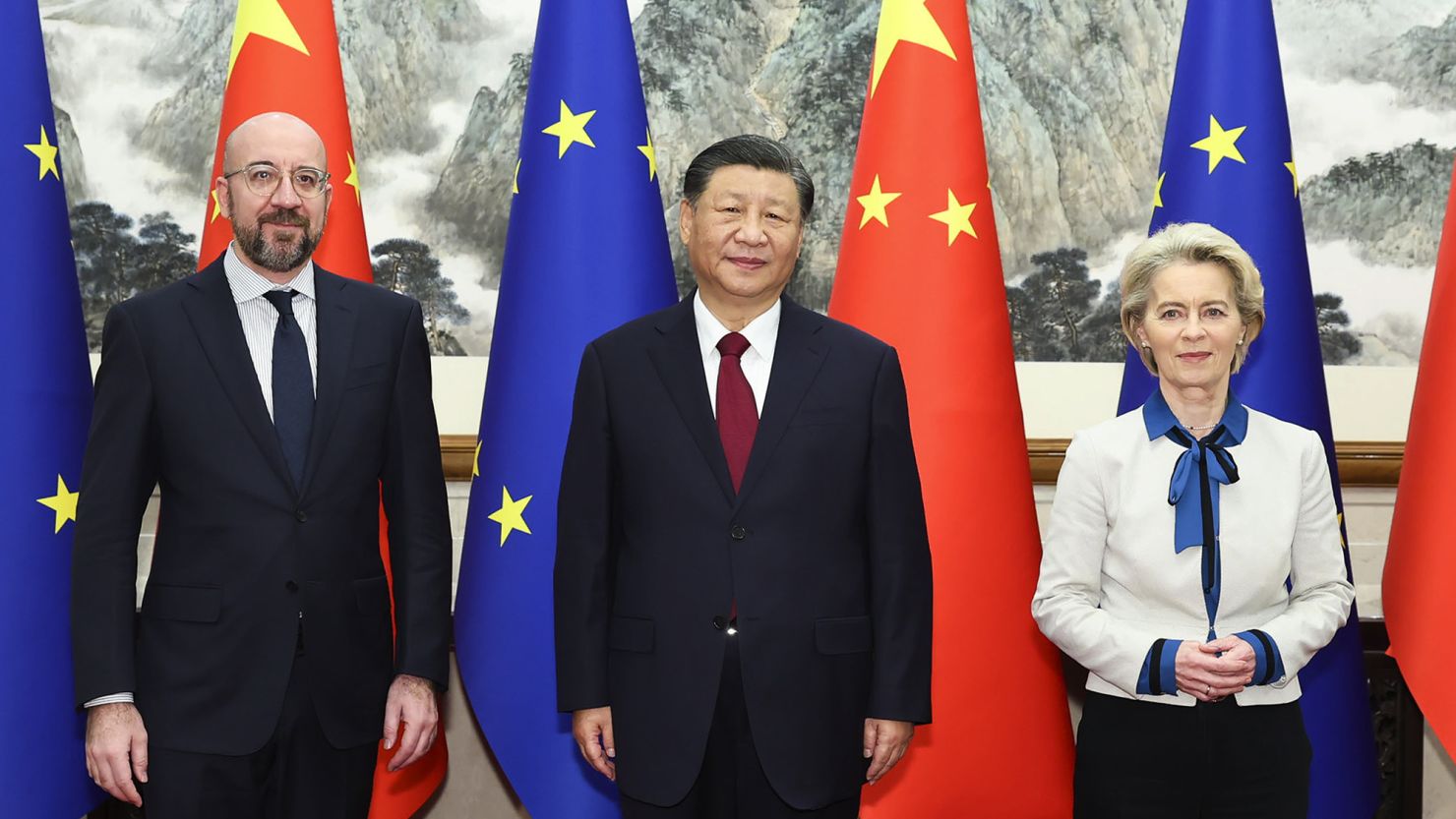
Xi’s diplomatic push in Europe

Chinese President Xi Jinping's three-nation tour to France, Serbia and Hungary in early May highlighted China's aim to bolster ties and navigate shifting global power dynamics. The trip's implications are significant for all major powers, including India, which must inject more creativity and energy in building up its strategic partnerships with G7 nations after the elections.

3d25bf28-0a5a-4e50-ad23-96c8659aca34 Courtesy: Bayerischer Rundfunk
16 May 2024

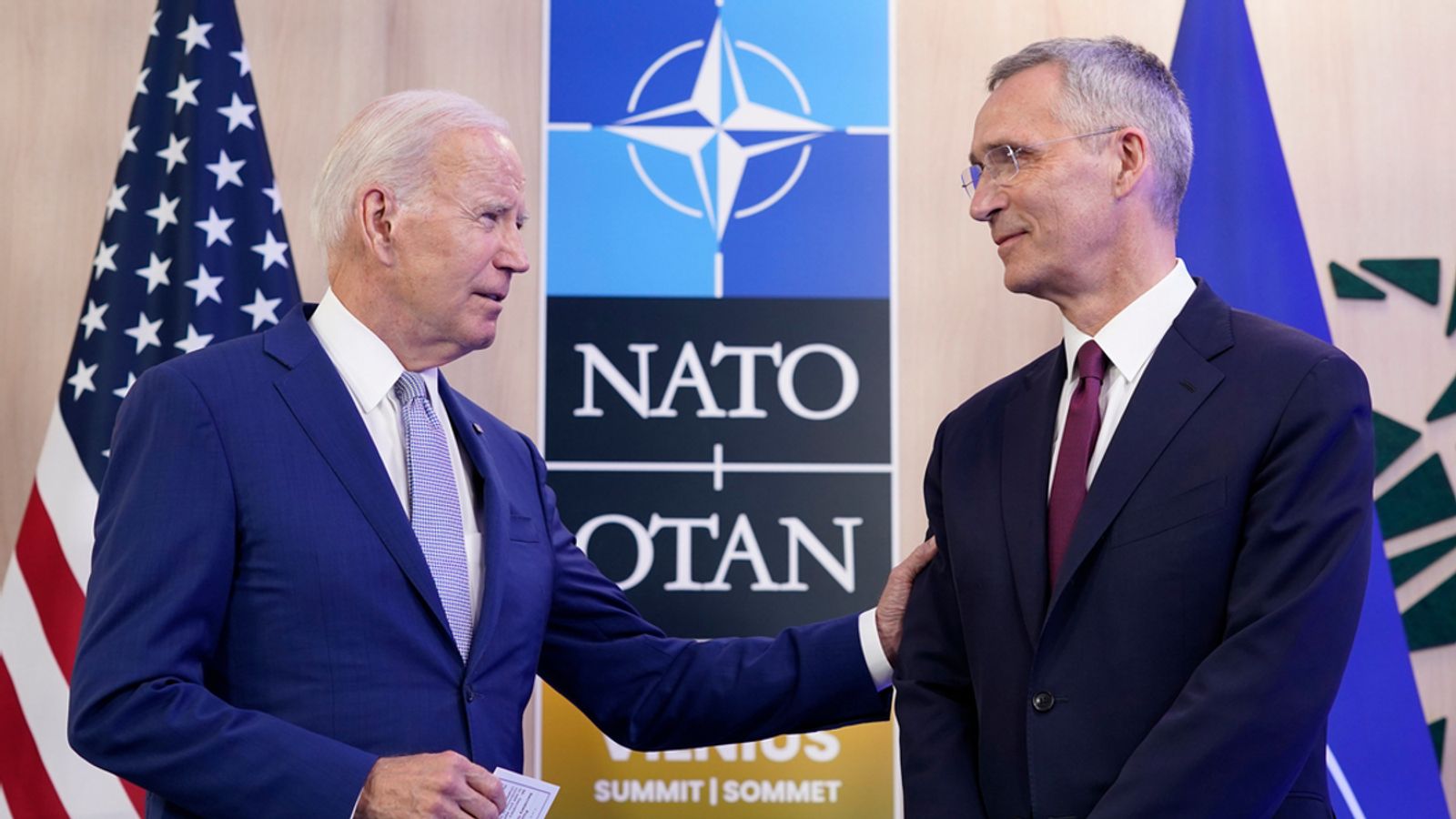
NATO@75

The North Atlantic Treaty Organisation turns 75 this year. It has exceeded its original mandate of a collective defence for Europe and is expanding rapidly. From restraining the rise of Russia, it is now seeking non-NATO allies in Asia who wish to restrain China. This requires a nimbler, more dynamic alliance. Can NATO respond to the transformation?