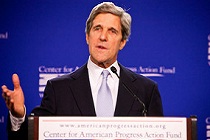
Untitled Courtesy: Center for American Progress Action Fund/Flickr
21 June 2013

Kerry: Stepping onto an Asian merry-go-round

The U.S. Secretary of State’s visit to India comes at a time when India is witnessing significant realignments in its domestic politics while the U.S. is busy tackling its cyber-spying allegations. Amidst these preoccupations, will the upcoming India-U.S. talks churn out substantive outcomes?
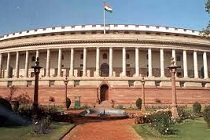
parliament Courtesy: Shwkyn231/Flickr
31 December 2012

India’s foreign policy: A year in review

The year 2012 has been a busy one for foreign policy: from escalating disputes in the South China Sea to alternate financial instruments from the emerging world. India’s foreign policy too has its shown strengths and weaknesses. We present our top foreign policy Hotspots, Sweet spots and Blind spots for 2012.

Courtesy: FREEDOM HOUSE2/FLICKR
24 August 2012

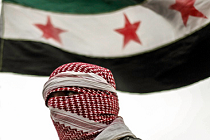
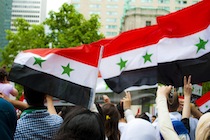
Syria: What next?

With the Free Syrian Army being supplied aid by the West and the Gulf Cooperation Council countries, the endgame for the Syrian regime has begun. Does Assad's exit guarantee the replacement of autocracy with democracy? What implications will it have on regional politics?

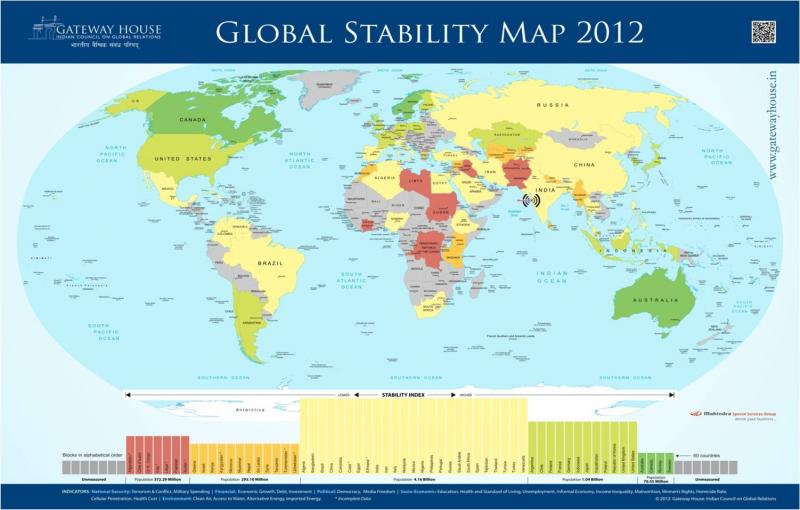
Global Stability Map Courtesy: Gateway House
1 August 2012

Global Stability Map 2012

Gateway House prepared a Global Stability Map, using 20 differing indicators, to analyze the stability of 60 countries around the world. Using criteria that are important to the emerging economies of the world, the map provides an Indian perspective of the world today.

Neelam on Syria Courtesy: FreedomHouse2/Flickr
6 July 2012

The unique tragedy of Syria

Simultaneous efforts to resolve the problem in Syria remain stymied even as more and more high level meetings and consultations take place. The more countries treat the situation as a proxy for political differences, the more it creates the conditions for a wider conflagration with an unpredictable outcome.

5825395379_5d725a53f4_z Courtesy: Flickr/freeedomania
21 April 2012

UN: a return to ‘mandated colonialism’

By forcing regime change in Libya, and attempting the same in Syria, and by promiscuously arming disparate groups of Wahabbis and Salafists to achieve this aim, NATO is creating more room for instability in the region. What Syria needs is engagement, not isolation; it needs dialogue and not the arming of rebels.

IMG_4820 Courtesy: Gateway House
20 April 2012

Deciphering today’s Middle East

What are the implications for India if Iran is attacked? How effective has the response been by gulf nations to their own protests? Ambassador Talmiz Ahmad, India’s former Ambassador to Saudi Arabia, discusses the dynamics of West Asia with Gateway House’s Alisha Pinto and Azadeh Pourzand.

anna hazare 2 Courtesy: nazeah/Wikimediacommons - Ramesh Lalwani/Flickr
30 December 2011

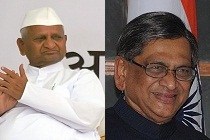
2011’s Top Foreign Policy Cheers and Jeers

The year 2011 saw various events - the Arab Spring, anti- corruption protests, Europe's sovereign debt crisis - transform countries and reshape the world order. Gateway House takes a look at what these events mean for India, and presents India's top foreign policy cheers and jeers for the year.

r2p Courtesy: UN Photo/Paul Banks
6 December 2011

Reconsidering R2P, post-Libya

After the crass misuse of Responsibility to Protect (R2P) in Libya, the broader question is: where is R2P headed? Do the events in Libya herald a more explicit assertion of this doctrine in other parts of the world? And should India rethink its viewpoint towards this ambiguous doctrine?