A more robust Asia policy expected?
Trump’s cabinet has a preponderance of China hardliners, which has wider implications for the Asia Pacific region while some of its members view Narendra Modi as Reaganesque and a man of the times

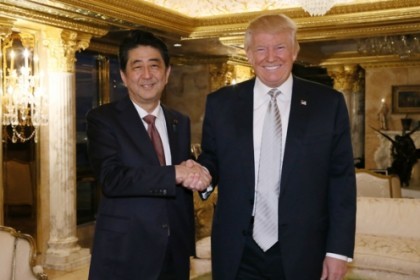 Courtesy: Wikipedia
Trump’s cabinet has a preponderance of China hardliners, which has wider implications for the Asia Pacific region while some of its members view Narendra Modi as Reaganesque and a man of the times
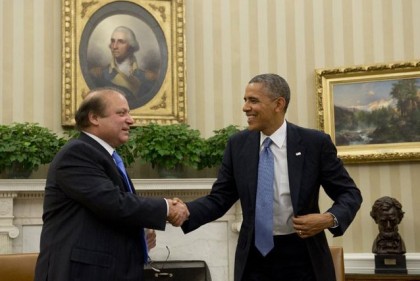 Courtesy: Wikipedia
There has been a strengthening in the India-U.S. bilateral, which reached new heights with the signing of the LEMOA agreement in August, 2016. However, this strengthened bilateral has not resulted in a strong response to Pakistan by the U.S. Government.
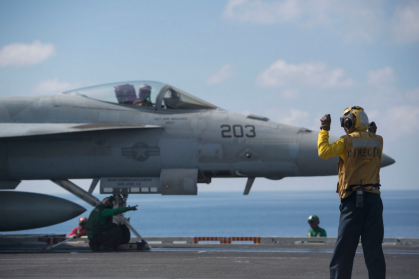 Courtesy: Ash Carter / Flickr
The success of the U.S. Defense Secretary's recent visit to India is indicative of the deepening India-U.S. defence relationship. It has become clear that Indo-U.S. maritime cooperation in the Indian Ocean is steaming ahead; while other geopolitical differences, like the sale of aircraft to Pakistan, seem unlikely to disappear anytime soon.
 Courtesy: Wikipedia
A resurgent Taliban has turned a hopeful declaration by the Obama administration into a premature one. The levels of U.S. troops stationed in Afghanistan, currently at 9,800, are expected to increase as a result. But with more than half a trillion dollars spent trying to stabilize the problem, perhaps it’s time to rethink the Af-Pak region.
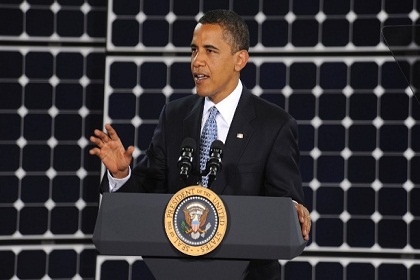 Courtesy: Wikipedia
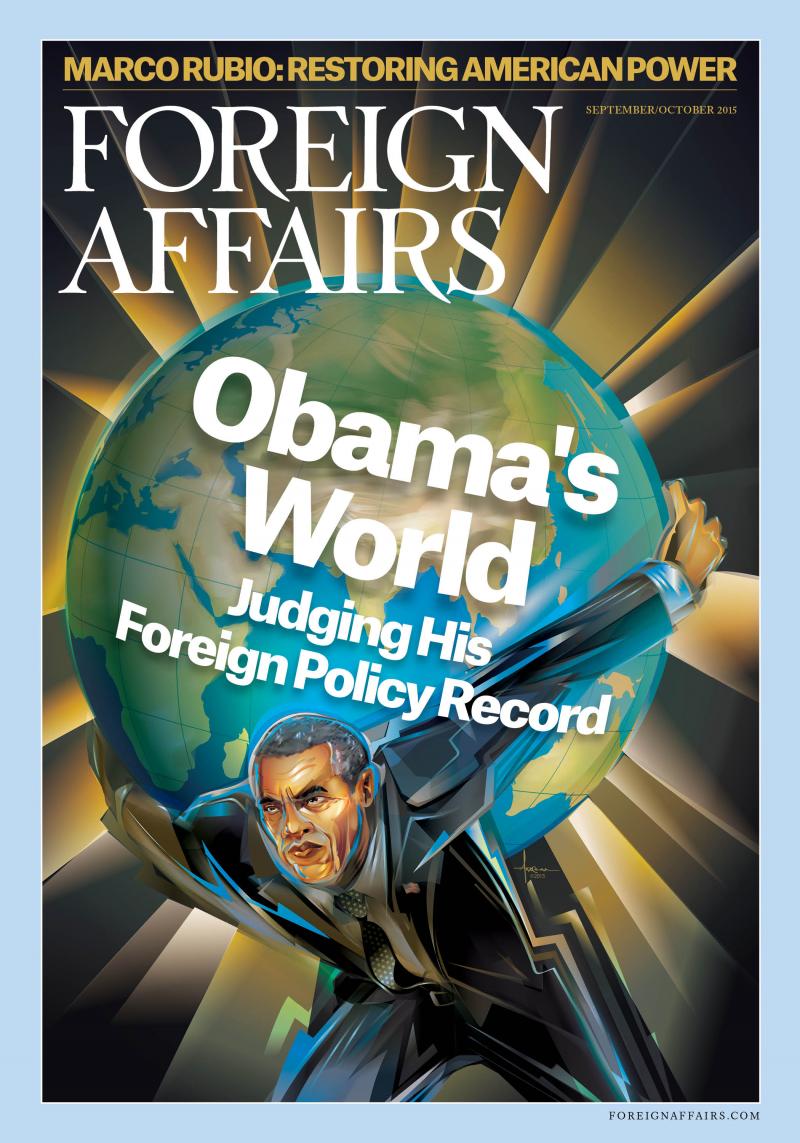
In his last and final State of the Union address, President Obama reasserted the United States’ global supremacy as a military and political power. He claimed credit for the historic Iran deal while conceding that Congress had maneuvered efforts on many crucial fronts
 Courtesy: Wikipedia
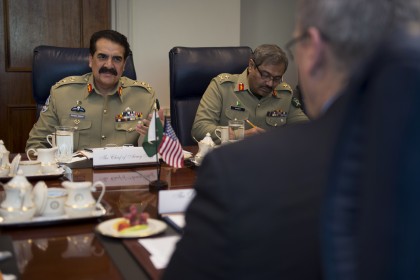
Barely three weeks after Pakistan’s Prime Minister Nawaz Sharif’s official visit, the other Sharif -- General Raheel Sharif -- sets foot on U.S. soil, albeit without an official invitation. Will Gen. Sharif get what he wants from the U.S. to further his game plan?
 Courtesy:
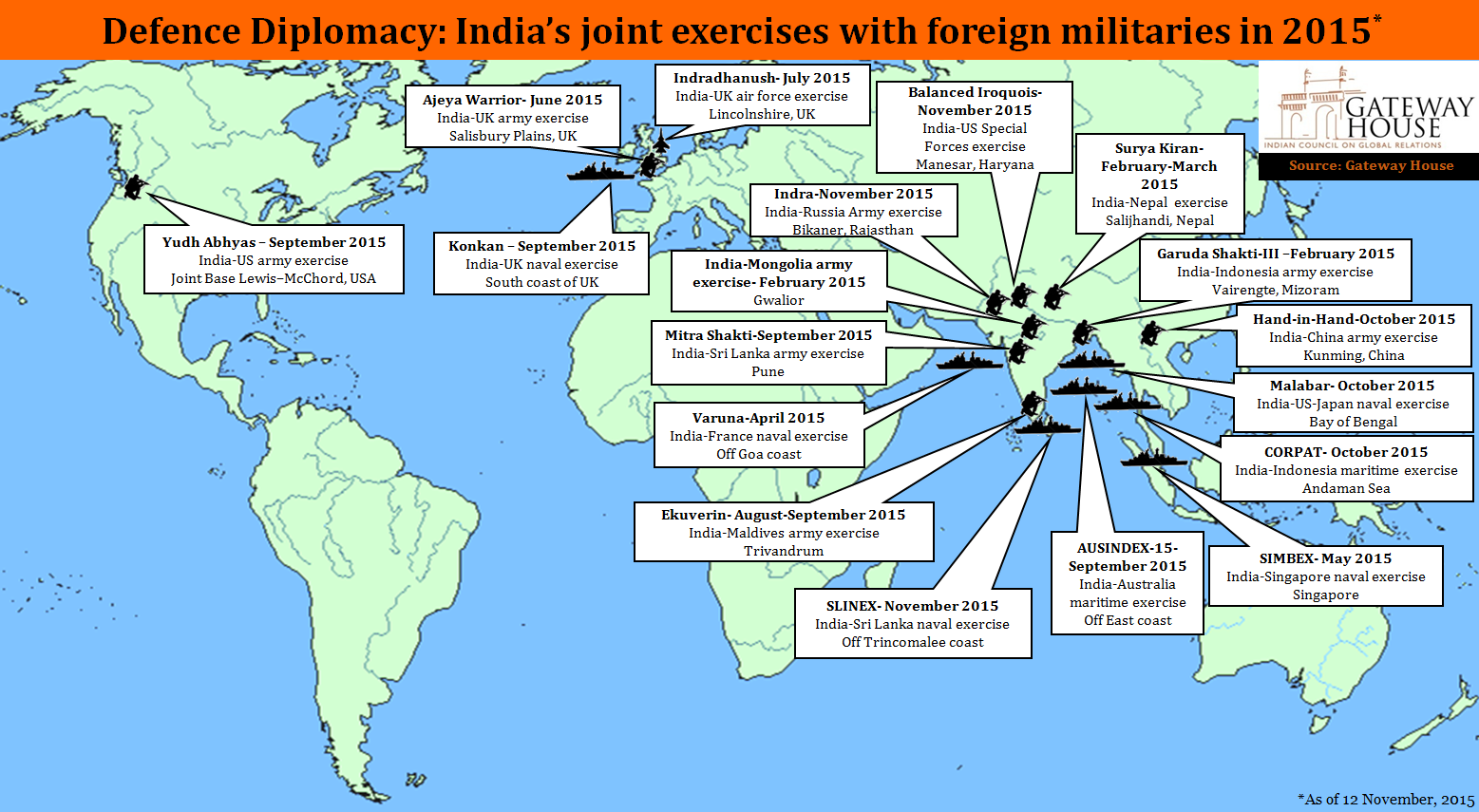
This year, India's defence diplomacy has ramped up. In 2015 alone there have been 18 military exercises- naval, army and air force- with 13 countries, among the largest engagements the country has had. Most significant is Japan joining the Malabar exercises in the Bay of Bengal and the first-ever maritime exercise with Australia. This is increasing India's presence from the Arabian Sea to the Bay of Bengal. As these exercises intensify India will be better positioned to handle regional security challenges.
 Courtesy: Wikipedia
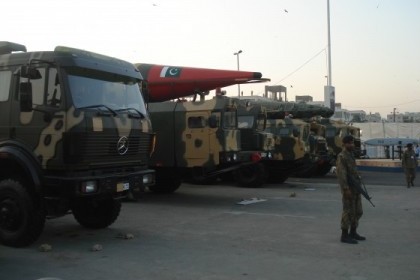
A report by the Carnegie Endowment and the Stimson Center attempts to recognise Pakistan’s nuclear programme as ‘normal’ and India’s as not. However, with dangerous new additions to Islamabad’s arsenal, a throwback to simplistic US rationalisations still won’t bring Pakistan into the non-proliferation mainstream.
 Courtesy: Foreign Affairs
Despite the unwavering support for their South Asian ally for more than 20 years, it time for the United States to bid farewell to Pakistan.
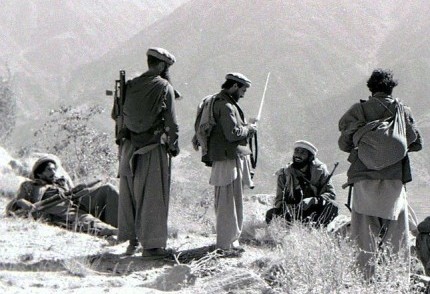 Courtesy: Erwin Franzen/Wikimedia
The August attack in Kabul and the now public disclosure of the death of Taliban leader Mullah Omar has caused Afghan President Ashraf Ghani to shift in outlook towards Pakistan. The "Pakistan-led" peace process is now tumbling like a house of cards backed implicitly by the United States.