A clarion call to study BRICS
The launch of the BRICS Universities League in Shanghai is an important effort for the five nations to understand each other and define their place in global governance

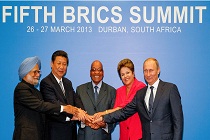 Courtesy: Blog do Planalto
The launch of the BRICS Universities League in Shanghai is an important effort for the five nations to understand each other and define their place in global governance
 Courtesy:
This daily column includes Gateway House’s Badi Soch – big thought – of the day’s foreign policy events. Today’s focus is on why the government should take a closer look at the kinds of data discovered by PRISM.
 Courtesy: Semilla Luz/ Flickr
The protests in Brazil, Turkey, Egypt and India are bound by a common thread of grievances against misuse of government power and corruption. These modern protests show a marked decline in government trust, even though may not always have clear objectives
 Courtesy: MEAphotogallery/ Flickr
In 2012, Iraq emerged as India’s second largest crude oil supplier thereby shifting focus back on bilateral relations. However, India’s historical and cultural connection with Iraq, as well as common geopolitical concerns, reveal that relations have the potential to go beyond oil
 Courtesy: Legaleagle86/Wikimedia Commons
Policy Perspectives from Gateway House give an overview of a global issue that has implications for India’s policy-making and business community. This edition focuses on the global IPR framework and the need for new business models that can cater to public health concerns
 Courtesy: NASA's Marshall Space Flight Center/Flickr
An increase in the global demand for rare earth elements, used in high-technology industries, coupled with limited supplies on Earth, has accelerated extra-terrestrial exploration. International cooperation and competition for these space-based resources will determine the next human footprint and race in space.
 Courtesy: Penn State Outreach/Flickr
The significant shale gas deposits held by several countries, including India, have implications for global energy prices, geopolitics and climate change. But India needs to develop a strong shale gas policy that can help in lowering its trade deficit while ensuring sustainable development.
 Courtesy: Center for American Progress/ Flickr
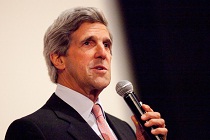
The upcoming India-U.S. Strategic Dialogue offers an appropriate platform to move past complaints both sides have against each other in the trade and economic spheres. The stage can be used to re-apply emphasis on strategic relations and reach levels of goodwill established during the time of former U.S. President George W. Bush and Manmohan Singh
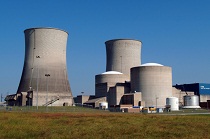 Courtesy: NRCgov/ Flickr
India-U.S. bilateral trade stands to benefit if U.S. Secretary of State John Kerry is able to seek clarification on the specificities of the Civil Liability for Nuclear Damage Act and alleviate the worries of American energy companies which fear paying monetary damages without limit in the event of a nuclear accident
 Courtesy: Center for American Progress Action Fund/Flickr
The U.S. Secretary of State’s visit to India comes at a time when India is witnessing significant realignments in its domestic politics while the U.S. is busy tackling its cyber-spying allegations. Amidst these preoccupations, will the upcoming India-U.S. talks churn out substantive outcomes?