Automotive industry zooming into space Courtesy: Toyota
16 September 2021

Automotive industry zooming into space

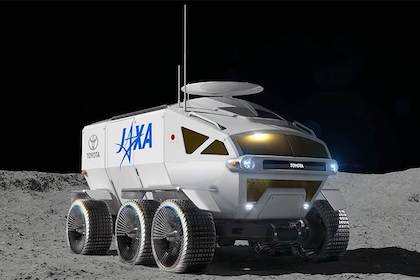
In June this year, the Japan Aerospace Exploration Agency collaborated with Honda Research to build an energy system for surface mobility on the moon. SpaceX and Mitsubishi Heavy Industries, Tesla and Mitsubishi Motors have similar alliances, reflecting the increased participation of the automotive sector in the space economy. Tokyo wants its biggest export, automobiles, to pick up stakes in this space. India should have a similar ambition. The May 2020 space reforms recognise the significance of commercialising the space sector. But now is the time for long-term R&D investments in the domestic auto sector, to help India step into this play.
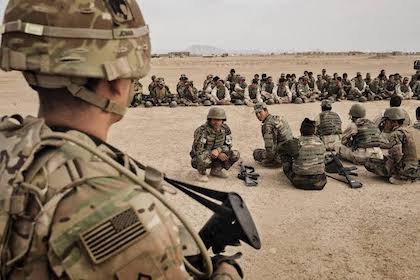
20 years after 9/11, has the U.S. learnt from its mistakes? Courtesy: The New York Times
16 September 2021

U.S. 2001-21: Of Friends and Foes

After 9/11, the threats to America are right where they were 20 years ago: still in Afghanistan, and now backed by the strength of a state. What happened to America, that “shining city on a hill” that beckoned brightness to its shores and won allies? Some self-delusion, a belief that it was still the global monarch after World War II and the inability to distinguish between friends and foes.

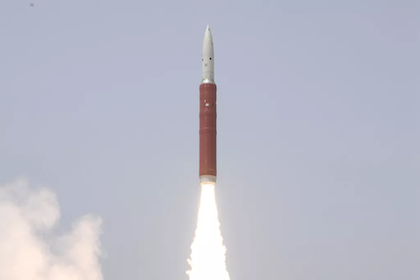
Mission Shakti Courtesy: Press Information Bureau, Government of India
2 September 2021

A decade of autonomy in space

As the private or autonomous space industry becomes more developed, an interesting phenomena is occurring. The public sector which runs space programmes has lagged behind, but also profits from the recent success of private space companies are limited to direct stakeholders. After a decade of private investment, it is worth assessing why countries like the U.S., Russia, China and India have pursued independence from government entities in space over the last decade.

jpg Courtesy: The Times of India
12 August 2021

Deep dive: The Quad

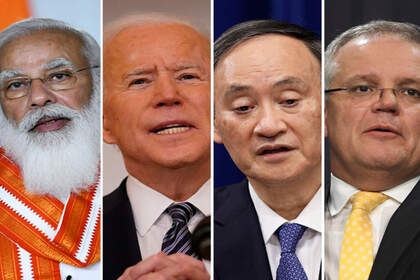
In an interview with Garrison Moratto of The New Diplomatist, Amb. Rajiv Bhatia, Distinguished Fellow, Foreign Policy Studies, counters China's claims that the Quad is an "Asian NATO." He highlights how the India-U.S.-Japan-Australia Quadrilateral initiative aims to increase cooperation in the Indo-Pacific on international law and security. This podcast delves into the history of the Quad's formation, current strategic characteristics, and future geopolitics, ahead of the fall in-person Leaders' Summit in the U.S.

Lisa Curtis and Surjit Bhalla Courtesy: CNBC-TV18 (Youtube)
5 August 2021

Quad collaboration on economics and technology

On 30 July 2021, Lisa Curtis and Surjit Bhalla, co-chairs of the Gateway House Quad Economy and Technology Task Force, spoke to CNBC-TV-18 on the various channels of cooperation between the Quad countries in technology, supply chains and undersea cables, and the need to counter China's dominance in the Indo-Pacific.

2019-06-14T000000Z_1951021920_RC-2 Courtesy: SCO, Russia (2020)
22 July 2021

China’s quad?

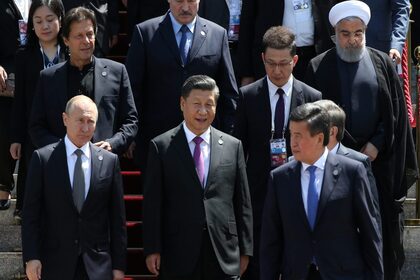
A potential anti-Quad formation of China, Russia, Iran and Pakistan is in the making, and can pose risks to the Quadrilateral Security Dialogue. However, a close analysis of China's bilateral relationship with each country shows that this is a flawed grouping, formed on limited common interests and rivalries.

Securing India's energy needs Courtesy: Shutterstock
8 July 2021

Securing India’s energy needs

India’s oil consumption and imports are likely to resume their upward trajectory as the economy opens up, after a temporary drop due to the pandemic. To secure its energy needs, the country should shift course from investing in oil and gas assets of emerging economies to those of developed nations. The oil-rich Organisation for Economic Co-operation and Development (OECD) countries, such as Canada, Norway, and the U.S. can be given special consideration.

QUAD Courtesy: Reuters
1 July 2021

The Quad’s strategy for China

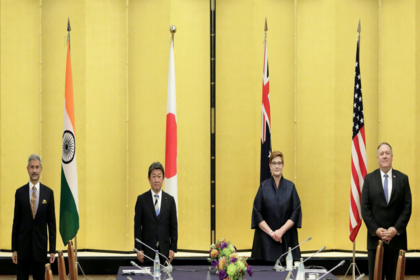
On 23 June 2021, Gateway House hosted the Interim Meeting of the Quad Economy and Technology Task Force. Lisa Curtis and Surjit Bhalla, co-chairs of the task force, explain how the Quad can scale up economic and technological collaboration and pool resources to counter Beijing’s plans to dominate supply chains and global tech.