India’s Corona-diplomacy
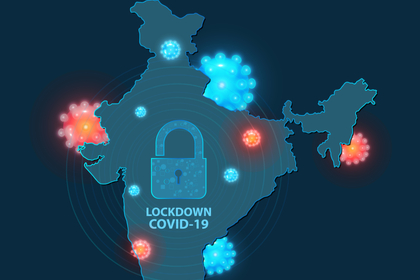
Over the last month, India’s Corona-diplomacy has been evident. The government’s two-point plan is to protect its citizens and help its neighbours and friends.

 Courtesy: Shutterstock
Over the last month, India’s Corona-diplomacy has been evident. The government’s two-point plan is to protect its citizens and help its neighbours and friends.
 Courtesy: Shutterstock
COVID-19 and remote working have resulted in a surge in demand for digital intermediaries, such as Zoom. Most of these are U.S.-based, with some having servers in China, which has aggravated privacy concerns. IT companies have responded quickly by fortifying themselves internally through a range of measures, but it is now time for India’s highly accomplished tech industry to devise secure, scalable platforms with India-based servers
 Courtesy: MEA/Flickr
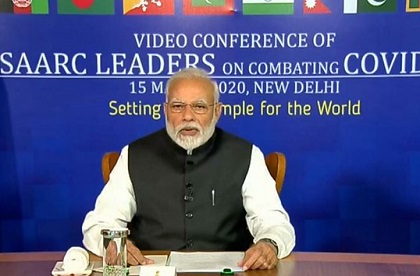
The first-ever virtual summit of leaders from member-states of the South Asian Association for Regional Cooperation on March 15 was an innovative exercise in showing solidarity in containing a pandemic. Here is an assessment of its tangible outcomes – and longer-term ways to prepare for SAARC’s revival
 Courtesy: Shutterstock
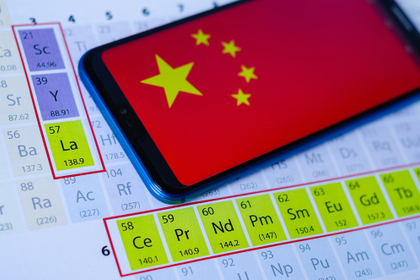
The second-most important issue on everyone's mind after the Coronavirus, is Rare Earths - those metallic elements like scandium and cerium, used in every aspect of modern electronics like our cell phones, rechargeable batteries, florescent lighting. The reason is: China. China has the world's largest deposits and production of rare earths, and has not hesitated to withhold its export to countries that disagree with it in the past.
 Courtesy: Ministry of External Affairs
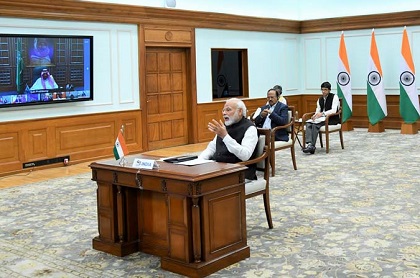
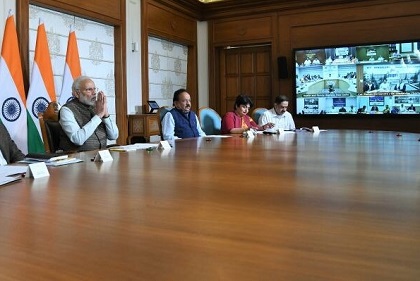
COVID-19 unified G20 leaders at an extraordinary summit last week. An idea given a nudge by Prime Minister Narendra Modi, here was an opportunity for all participants to put together a plan and make a pledge for international cooperation, focusing on four main themes. Next, will they be able to turn words into action?
 Courtesy: Shutterstock
The pandemic has highlighted the positive role of 3D-printing technology. Identifying this potential, and seeking to insert India into the new global value chains, the Ministry of Electronics, IT & Technology has announced a National Strategy for Additive Manufacturing. It will address the lacunae in the country's additive manufacturing ecosystem, including physical hardware like printers, software, materials and service providers.
 Courtesy: Lovneet Bhatt
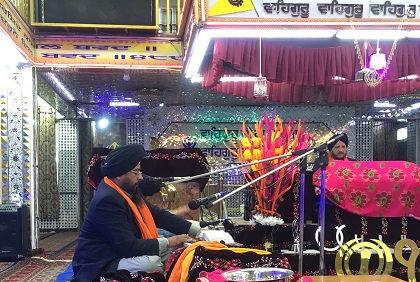
The 25 March 2020 attack on a Sikh gurudwara in Kabul focused world attention on the plight of Afghanistan’s indigenous Sikh and Hindu minorities, the target of both local lawless elements and religious fundamentalists. They once were a significant part of Afghanistan’s principally Muslim population and a mark of its cultural syncretism and religious pluralism
 Courtesy: Shutterstock
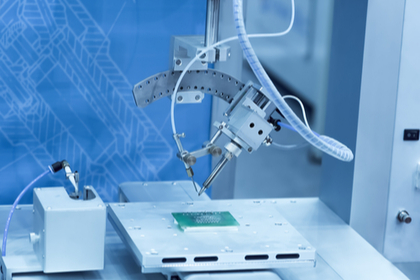
The COVID-19 pandemic has exposed the deficiencies of India’s precision instrument import-dependency and the global supply-chain vulnerabilities of international high-tech manufacturing giants. New Delhi can incentivise such companies to manufacture under the Make in India and Assemble for the World in India programmes
 Courtesy: Twitter/MEA
The Indian government, has, under challenging circumstances, evacuated, all through March 2020, nearly 3,000 Indian citizens, stranded in the hotspots of the coronavirus epidemic. These rescue operations, which have been performed adeptly since 1990, are a mark of a developed-country mindset with confidence-inspiring governance structures
 Courtesy: Twitter/Narendra Modi
The Coronavirus Disease (COVID-19), which has spread to more than 160 countries, is a global challenge, calling for coordinated intervention at the national, regional and global levels. Rajiv Bhatia, Distinguished Fellow, Gateway House, in this interview, outlines four aspects of the calamity