A new, consensual world order
The era of globalisation is drawing to a close and a new one is emerging—an era of bilateralism over globalisation, of domestic over foreign focus, and reality-based policy-making

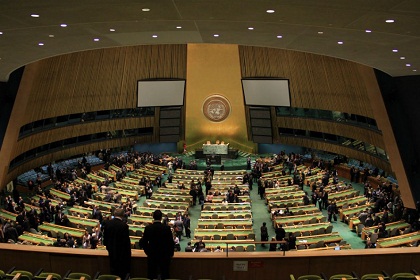 Courtesy: IB Times
The era of globalisation is drawing to a close and a new one is emerging—an era of bilateralism over globalisation, of domestic over foreign focus, and reality-based policy-making
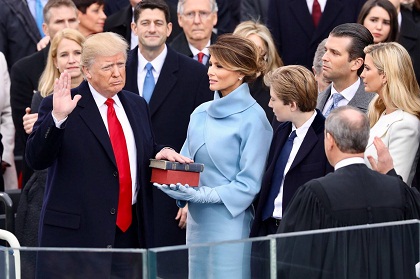 Courtesy: Wikipedia
There is a stark divergence between how the West views the world and how those outside it do. It is possible to oversimplify the equation, to portray the West as cynically self-interested. The West and countries like India need to reach a shared understanding of how the liberal international order can be reformed so it may be salvaged
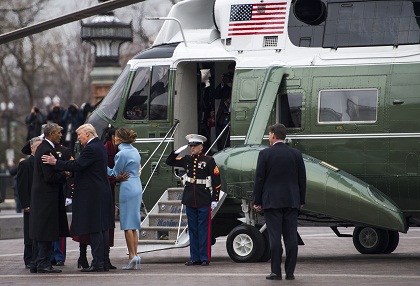 Courtesy: Wikipedia
Trump’s pronouncements about his intentions to challenge the direction and substance of America’s post World War II global ‘liberal’ order---terming institutions, like NATO, obsolete and pulling out of trade agreements, like TPP---reveal a preference for political-style deal making
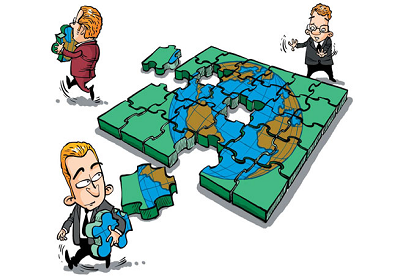 Courtesy: Systemic Alternatives
The contours of globalisation are being reshaped. The Brexit vote and the election of Donald Trump mark a strong anti-globalisation sentiment even as leaders in China, India and Russia successfully marry nationalist rhetoric with a cleverly crafted overseas strategy, premised on the very tenets of globalisation. There seems to be a ‘pause’ in the unbalanced progress of globalisation of the last three decades—and this could have many positive outcomes
 Courtesy: Flickr
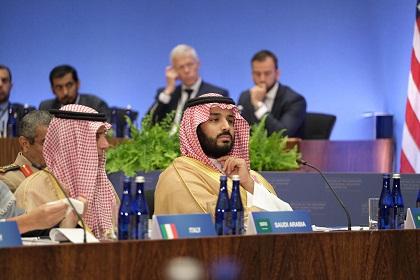
Prince Salman’s accession to the throne after the death of Saudi King Abdullah on 23 January 2015 has been a game changer, both domestically and in West Asian politics. Within days, he sidelined rivals within the House of Saud, and took on Iran with a confrontational policy. But two years later, the results of his new strategy disappoint
 Courtesy: Gateway House
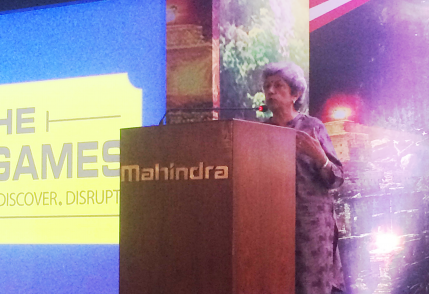
Ambassador Neelam Deo delivered this speech at the grand finale of ‘The Mind Games’ – a platform for talent development & idea generation at Mahindra Partners on January 18, 2017. Ambassador Deo’s speech focuses on the disruption of the post-Cold War global framework to be caused by Trump’s foreign policy changes
 Courtesy: Wikipedia
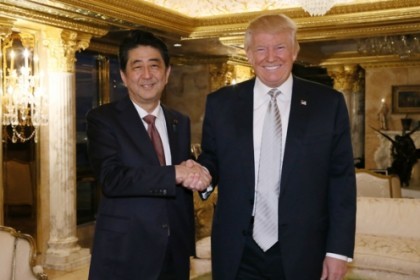
Trump’s cabinet has a preponderance of China hardliners, which has wider implications for the Asia Pacific region while some of its members view Narendra Modi as Reaganesque and a man of the times
 Courtesy: The New York Times
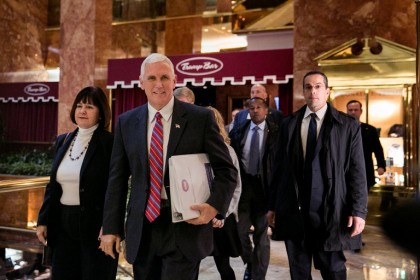
Transiting from one administration to the next is never easy, but Trump’s dilemma is particularly difficult: he has to bring in change and also find candidates who have the respect of their peers. Are the differences of opinion on his choices a sign of things to come?
 Courtesy: MEA/flickr
The year 2017 may change some equations in the East Asian region. Will the near parity that the U.S. and China currently share turn into a keener contest? Will strained relations between India and China persist? Donald Trump’s election as the next U.S. president casts the spotlight squarely on these inter-state relationships
 Courtesy: Wikimedia Commons
The incoming Trump administration is inheriting an economy that is on a strong recovery path. What are the challenges in sustaining this and what is emerging as the new administration’s growth agenda?