SAARC Courtesy: pmindia.nic.in
21 November 2014

Will SAARC embark on a new path?

The 18th SAARC Summit in Kathmandu next week is an opportunity for member countries to start shaking off the shackles of distrust. Instead, SAARC must robustly move forward on such issues as regional connectivity, SAFTA, climate change, and security—and India can be the prime mover in building this renewed cooperation
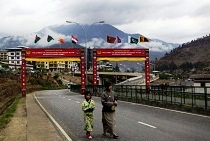
SAARCsummit1 Courtesy: Wikimedia commons
21 November 2014

A primer on SAARC

The 18th SAARC Summit will cover a wide range of issues, including connectivity, climate change, and SAFTA. A number of similar issues were discussed at the last summit—what’s been the progress since then? Given its constraints, does the association have a future? Gateway House asks and answers five questions on SAARC

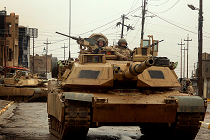
IS Courtesy: U.S. Staff Sergeant Aaron Allmon
16 September 2014

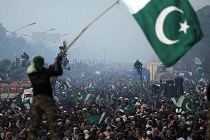
Modi, Obama and the Islamic State

Obama’s strategy to target the IS in Syria within the framework of a U.S.-led international coalition has met with a tepid response. There are reports that the U.S may offer India a non-NATO ally status during Modi’s upcoming visit in a bid to seek greater support – a gesture that India will do well to disregard.

Hagel2 Courtesy: Joshua Martin
7 August 2014

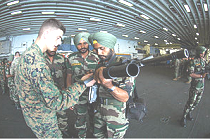
Hagel in India: building greater synergy

U.S. defence secretary Chuck Hagel’s visit is the third in a flurry of visits by top American officials before the scheduled Modi-Obama meet in September. Hagel’s visit will aim to enhance an already well-established defence-trade partnership and allay fears of the Pentagon’s bias towards Pakistan

power Courtesy: Wikimedia Commons
9 July 2014

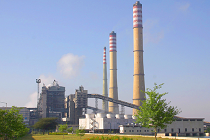
Power sector needs sweeping reforms

The World Bank report highlighting the need for far-reaching reforms in the power sector underlines the necessity for the centre and state governments to arrive at a political consensus. The model of cooperative federalism advocated by Prime Minister Modi has the potential to transform the electricity scenario

Modi signing register Courtesy: PMO/Government of India
28 May 2014

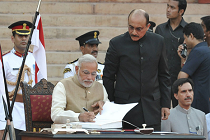
Narendra Modi: global perspectives

By inviting SAARC leaders to his swearing-in ceremony India’s new prime minister Narendra Modi has signaled a major shift in India’s foreign policy. Gateway House presents perspectives from experts from seven countries on the changes they expect to see in India’s foreign policy in the Modi era

southblock Courtesy: rajkumari1220/Flickr
18 April 2014

Circles & Corridors of Economic Diplomacy

India’s political and economic future will be determined over the next few weeks. Gateway House recommends a priority diplomacy agenda for the next government – one which puts economics at the heart of our foreign policy

Operation Mountain Fire Courtesy: Staff Sgt. Christopher Allison/Wikimedia Commons
30 March 2014

Afghanistan: At a turning point

The presidential election is vital not only for Afghanistan’s future but also for the stability of the region. The ensuing race has thrown up candidates from various ethnicities and they face an uphill task with a resurgent Taliban and a former President who still hopes to be a force in the political arena

southasiafinal Courtesy: User:Deepak/Wikimedia Commons
27 March 2014

‘Ties with neighbours is priority’

Historically, foreign policy has rarely played a decisive role in the Indian elections although issues like the nuclear deal with the U.S. have led to domestic storms. In this interview Neelam Deo, Director, Gateway House, explains why foreign policy has only occasionally been a key factor in the elections