resized intermediary liability Courtesy: Shutterstock
21 January 2021

Regulating Big Tech Intermediaries

Social media platforms such as Twitter and Facebook have come under global scrutiny in recent months following their use to incite or misinform the public. For years, governments around the democratic world have not taken the responsibility to adequately regulate these platforms. Now that may be changing – and it won’t be easy.


shutterstock_193919333 Courtesy: Shuterstock
4 September 2020

India on the global digital stage

The depth and complexity of India’s digital citizenry and ecosystem puts it in a unique position to impact global rules on digital governance. An opportunity to assert its influence is coming up with India’s presidency of the G20 in 2022. Work on this agenda must begin now.

shutterstock_777026497 Courtesy: Shutterstock
13 August 2020

We own your Face!

Facial recognition technology has emerged as an important identification tool. Big tech, social media companies and governments around the world use it and hold an unprecedented power over individuals and communities. Its use for surveillance purposes has brought it under public scrutiny. The technology has still not been perfected. Is it really ready for adoption?

shutterstock_1659219964 Courtesy: Shutterstock
21 May 2020

Digital services across verticals: Jio, Alibaba and Amazon

Recent investments by Facebook, Silver Lake, Vista Equity Partners, General Atlantic, KKR, Mubadala, ADIA, TPG, L Catterton and Intel Capital could well be the infusion of capital and expertise Jio needs to compete with Alibaba and Amazon. The infographic compares the number of services offered by these companies across different technology domains

shutterstock_730156222 Courtesy: Shutterstock
16 January 2020

NEST-ling new tech in foreign policy

The recently announced New and Emerging Strategic Technologies (NEST) Division of India’s Ministry of External Affairs is timely. It can become vital for India’s national technosecurity in the imminent Fourth Industrial Age if a new Cabinet Committee on Futuristic Science and Technologies is established along with it

so18_cover_large_0 Courtesy: Foreign Affairs
1 October 2018

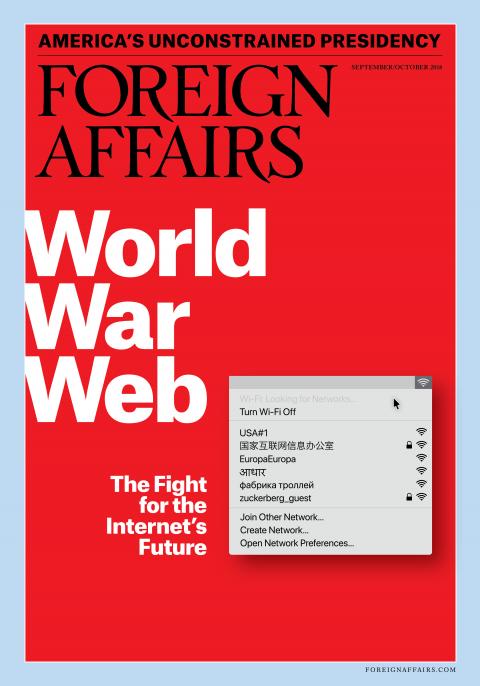
Battlefield Internet

The immediate threat is more corrosive than explosive. States are using the tools of cyberwarfare to undermine the very foundation of the Internet: trust. The result is that an arena that the world relies on for economic and informational exchange has turned into an active battlefield.

US Space Force Courtesy: National Museum of the U.S. Air Force
19 July 2018

U.S. Space Force: reconfiguring military for space

Washington is planning to integrate its military space operations. Each arm of the United States Armed Forces has had a space command until now but uniting these discrete units into a new Space Force is a step ahead. The U.S.’ big-picture ambition is ‘full spectrum battle-space dominance’ and the contest to achieve it has implications for the defence and space industry

download (1) Courtesy: Caixin Global
5 July 2018

China’s disquieting FDI in high-tech

China’s foreign direct investment is shifting away from natural resources to high-tech areas, such as Artificial Intelligence and robotics. The scale of these acquisitions, along with questions about intellectual property and national security, are causing widespread concern in the West

Backlit keyboard Courtesy: Wikipedia
21 October 2015

U.S.-China: no more spy games?

The recent U.S. and China agreement to contain cyber espionage will not only impact their bilateral relationship, it will also create norms in international cyberspace. But implementation remains a challenge, and businesses, including in India, that have faced cyber threats must proactively plug their vulnerabilities

Tech startups Courtesy: John Fischer/Flickr
6 August 2015

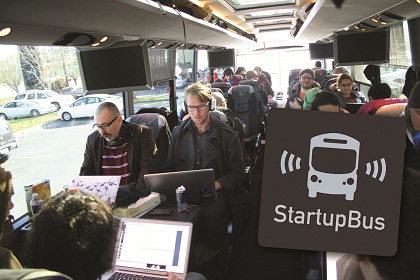
An agenda for Modi in Silicon Valley

Prime Minister Narendra Modi's outreach to the influential Indian diaspora in Silicon Valley in September should be centered on creating an Indian ecosystem for tech start-ups