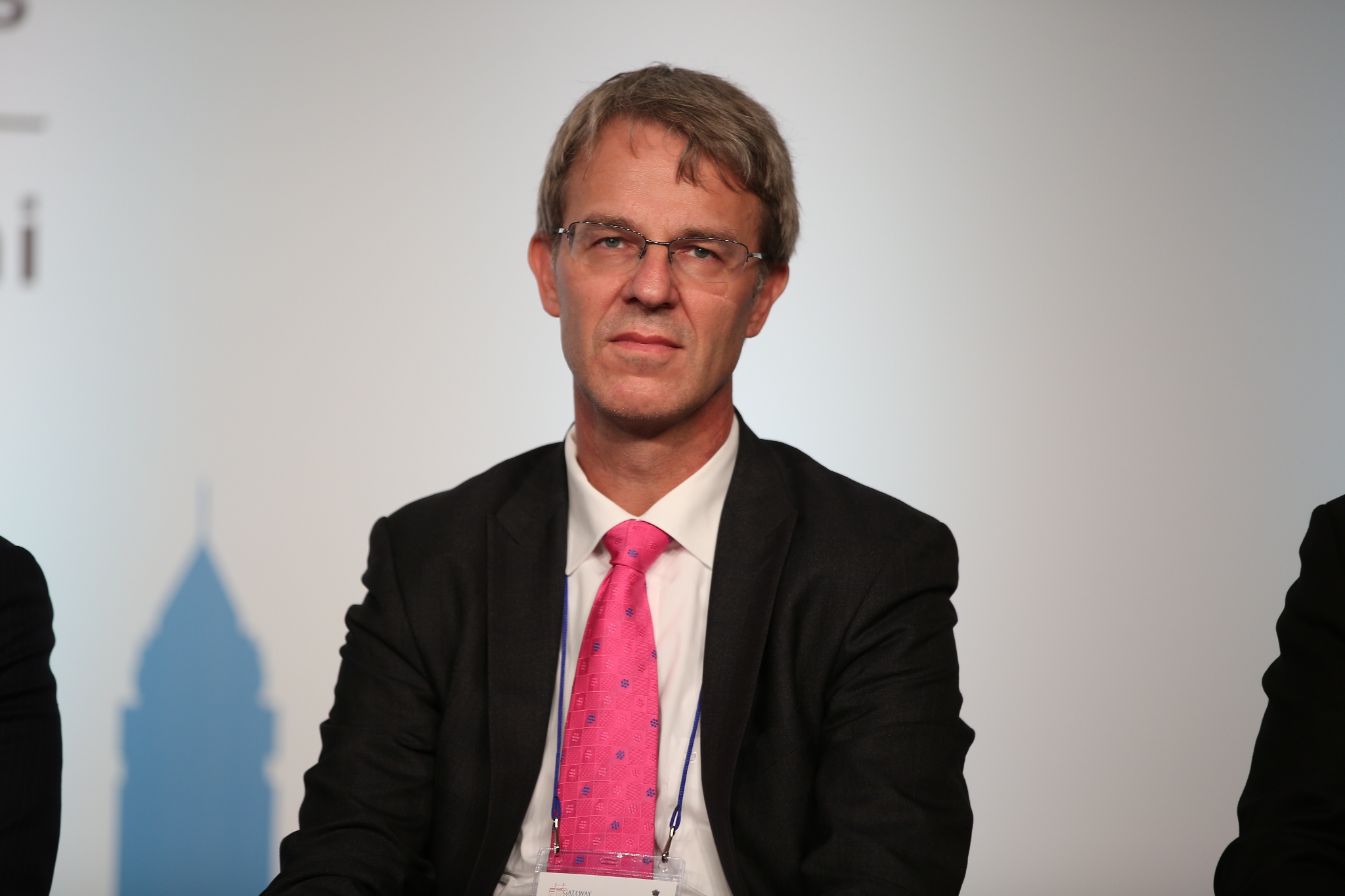
3W7A0670 Courtesy: Gateway House
14 February 2017

Reversal of brain-drain and the importance of Innovations Clusters

Clas Neumann in his interview envisions the new type of globalisation that the digital economy has created. The increase in distribution of work and revolution of global supply chains. He discusses the winners and losers of the changes in the H1B visa systems, specifically the brain drain reversal, and the alterations the Indian business model needs to make to adjust to these changes. He further emphasises on the idea that for technology companies to foster and develop, their closeness to "innovation clusters" is most important. And describes the role of governments in enabling the cultivating of digital spaces and digital cities.


475937 Courtesy: Flickr/Times Asi
21 July 2016

UNCLOS, undone by China?

China's refusal to accept the ruling of The Hague greatly harms its international reputation and will fuel regional concerns about China's rise. Nationalist sentiments stirred up by a sustained media campaign heighten the risk of a confrontation, but there is also a possibility for the Philippines to use its new leverage to its advantage through new negotiations.

Backlit keyboard Courtesy: Wikipedia
21 October 2015

U.S.-China: no more spy games?

The recent U.S. and China agreement to contain cyber espionage will not only impact their bilateral relationship, it will also create norms in international cyberspace. But implementation remains a challenge, and businesses, including in India, that have faced cyber threats must proactively plug their vulnerabilities

Xiaomi India Courtesy: Alibaba, Xiaomi, Wechat
18 May 2015

China and Digital India

Less than two years ago most Indians would struggle to name a Chinese company. Fast forward to the present, Chinese smartphone company Xiaomi is on the tips of everyone’s tongue. Chinese internet giants Alibaba, Tencent and Xiaomi have emerged as investors and major players in India’s fast growing e-commerce and internet space. Their emergence marks a new and exciting area of cooperation and engagement between India and China

Air pollution in China- Nicolò Lazzati (Flickr) Courtesy:
14 May 2015

Asia’s environmental emergency

The idea that Asia can follow the West’s ‘get dirty, get rich, get clean’ strategy grows more absurd with every year. Nor can Asian political leaders say the region can’t afford the cost of environmental progress. It is now clear that India and other countries cannot afford the skyrocketing cost of environmental degradation.

Uber China Courtesy: Review Journal, Xinhua
30 April 2015

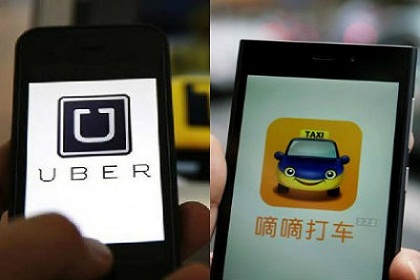
Can Uber in China counter local e-taxis?

Although Uber has a $41billion global valuation, over 99% of the taxi app market in China is controlled by local competitors offering personalised services, informal networks, and a familiarity with regulations that Uber cannot match. In such a scenario, can Uber live up to its valuation? And will local entities eventually also have an advantage in the crowd-sourced trucking and waterways sectors?

China Long March 5 Courtesy: wantchinatimes.com
16 January 2015

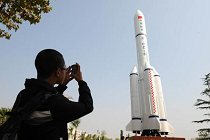
Is India losing the tech race to China?

Economic development and increments in scientific knowledge and technology, which in turn rest on R&D, are interconnected. India is falling behind and must allocate a greater share to R&D, while China must elevate the efficiency of its research expenditure—this focus will allow the two countries to continue to grow

devcybersecurity Courtesy: danxoneil / Flickr
15 November 2013

Controlling cyberspace

Across the globe, governments trying to control the internet are violating the privacy and rights of internet users. China’s censorship model is limited to its borders, the U.S.’ surveillance affects everyone internationally. A multilaterally-acceptable mandate for cyber governance is now an imperative.

Mars Lander Courtesy: NASA/Wikimedia Commons
6 November 2013

New Delhi: Myopic beyond Mars

At a time when China has invested substantially in its space projects and Russia is invigorating its space exploration, India too must develop a strategically-designed programme. The successful launch of the Mars Orbiter Mission should give New Delhi enough reason to increase India’s space footprint