The Unwanted Wars
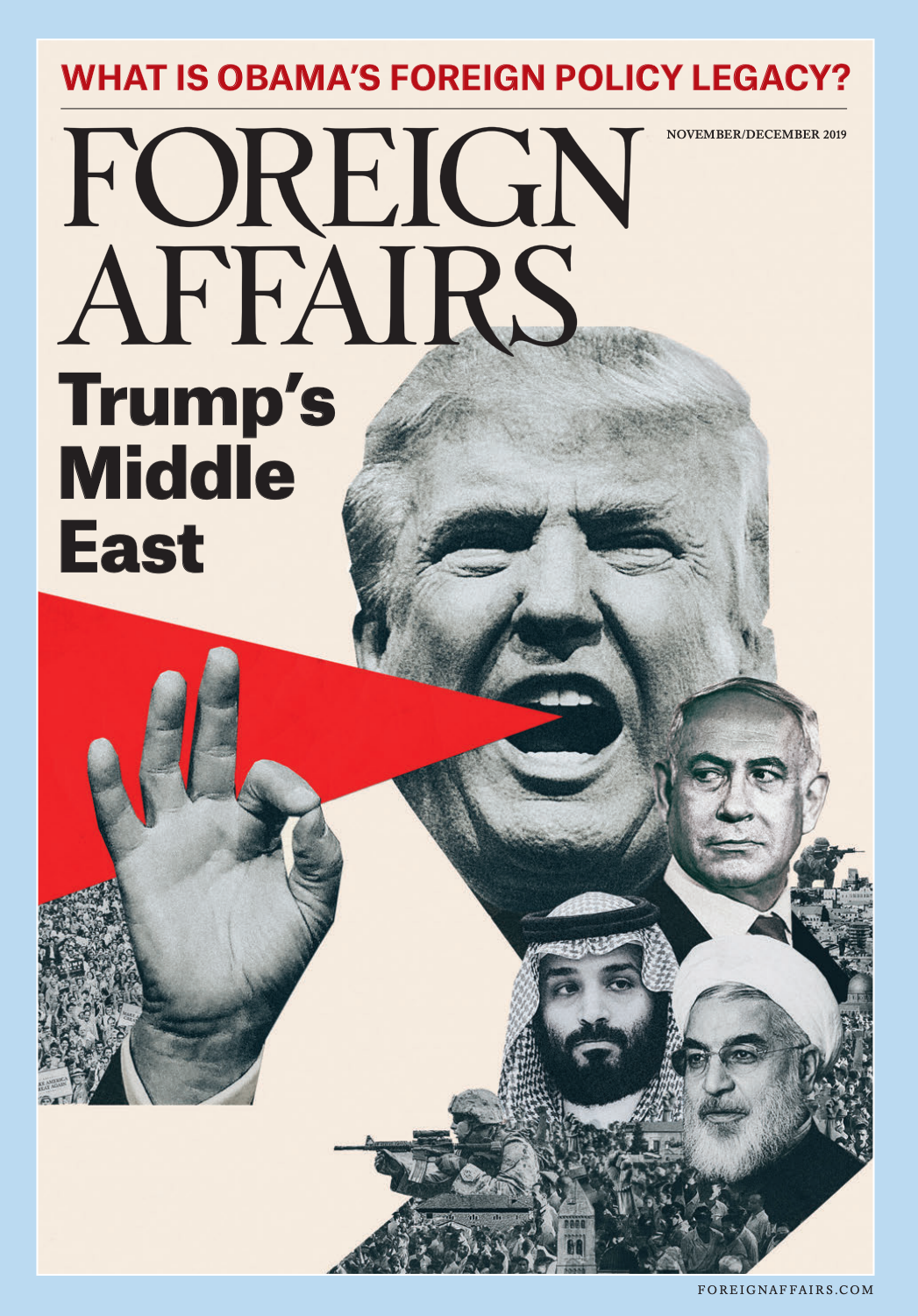
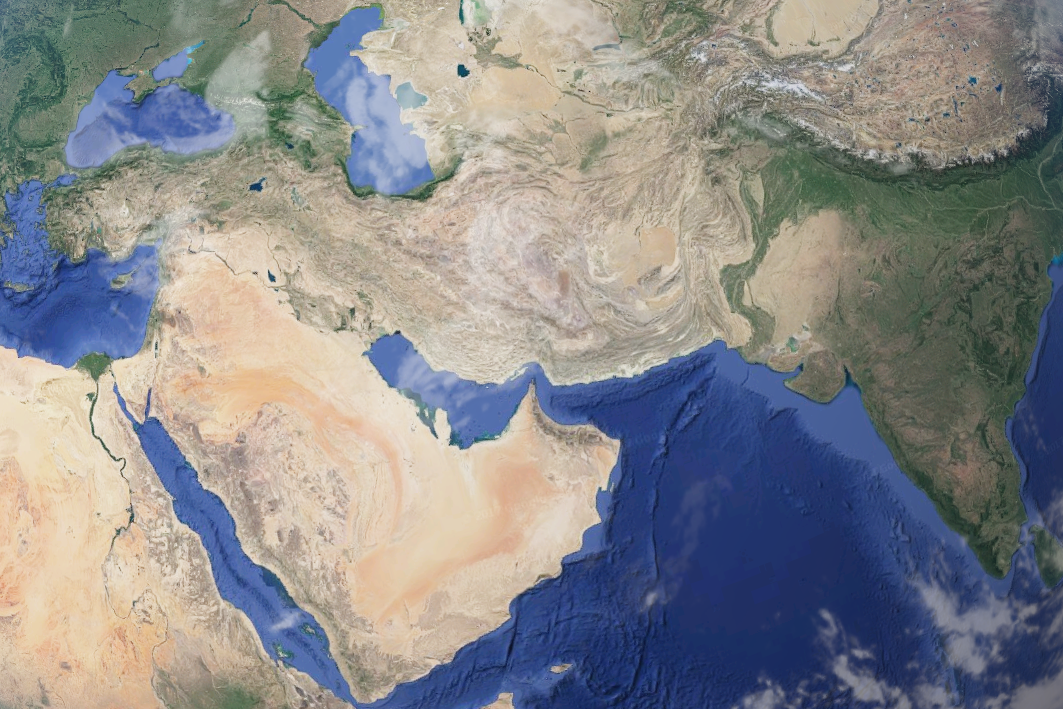
Countries in the Middle East, such as Iran, Israel or Saudi Arabia, do not want a military confrontation. Yet, current circumstances conduce to the breaking out of just such a war

 Courtesy: Foreign Affairs
Countries in the Middle East, such as Iran, Israel or Saudi Arabia, do not want a military confrontation. Yet, current circumstances conduce to the breaking out of just such a war
 Courtesy: Shutterstock
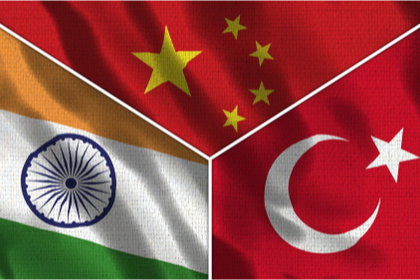
The Narendra Modi government came to power in India in 2014, promising "minimum government, maximum governance". Its roll-out of numerous government schemes meant that democracy and governance came before economic growth. But it returned Modi to power.Analysing the current debate on growth and governance the author explores how the sequencing of governance and economic outcomes is different in China, Turkey and India
 Courtesy: MEA/Flickr
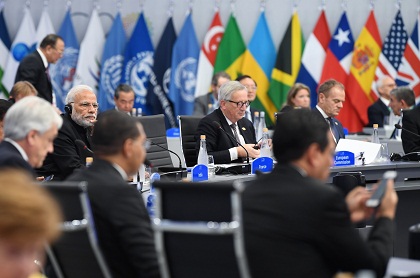
The 2019 G20 Summit in Osaka on June 28-29, is the 14th meeting of the Group of 20 leaders. The G20 is the world’s most influential economic multilateral forum. It is the agenda-setting forum that develops and guides rules of global economic governance. Under the Japanese Presidency, this summit will be the first to discuss and establish the rules for the worldwide governance of data, including current hot-button issues like data localisation and data sovereignty. India has both a preparatory and a contributory role to play in the G20 this year. For in 2022, it will be the President of the G20. India must identify its agenda early on; its a weighty responsibility but also an opportunity to set the global economic agenda.
 Courtesy: ibctrain.com
The main objective of the Shanghai Cooperation Organisation’s (SCO) Energy Club, when Russia formed it, was to market its member states’ substantial oil and natural gas reserves. This map shows some of the important natural gas pipelines, originating from Russia and its neighbouring countries that are not members of the SCO. What can India do to secure supplies from these abundant but currently inaccessible natural gas reserves?
 Courtesy: Sputnik News
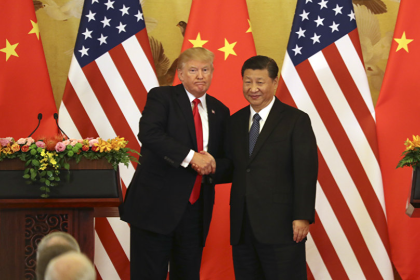
Speakers at the seventh Atlantic Dialogues, held in Morocco earlier this month, discussed what the challenge to western dominance and China’s expansionism meant for their political and economic future
 Courtesy: Sameer Patil & Shah Maieen
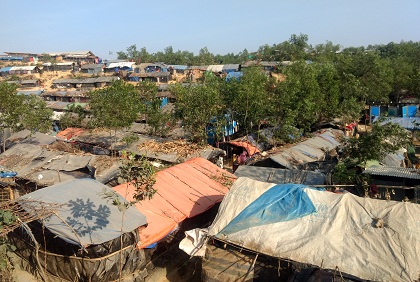
A recent trip to Cox’s Bazar showed that despite numerous health, social and security challenges, the Rohingya refugees are reluctant to return to Myanmar. India will have to walk a tightrope, keeping in mind humanitarian, security, and geopolitical priorities
 Courtesy: to put
A conference in Doha on ‘Enriching the Middle East’s Economic Future’ offered many insights into the nature of geopolitical relations in the region and India’s significant role in it
 Courtesy:
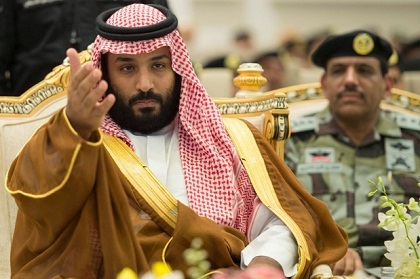
The removal of 11 top ministers in the Riyadh government last week by the young crown prince Mohammad bin Salman, is a geopolitical upheaval, the implications are serious. Domestically, the kingdom is seeking to liberalise its conservative society and move away from oil-dependency – evident from the expected listing of its crown jewel Aramco. For India, which imports oil largely from West Asia, instability could cause a spike in prices, leaving less for its ambitious reforms. Globally, there is now space for new alignments – in the Great Power plays, in the Shia-Sunni rivalry, and in the war on terrorism.
 Courtesy: Pinterest
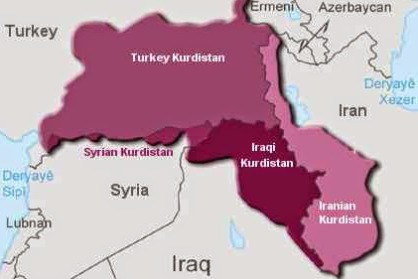
The Kurdish issue is far more complex and sophisticated than the simplistic nationalist rhetoric, made fashionable by Europeans-- and which all actors in the game feel compelled to employ and have us believe
 Courtesy: Western Naval Command
China has expanded its presence in the Indian Ocean Region. President Xi Jinping has abandoned Deng Xiaoping’s conciliatory posture for an aggressive, money-fuelled search for super power status