BRI sputters in South Asia
A decade after its launch, China’s Belt and Road Initiative has slowed down in South Asia, the result of poorly conceived projects, and irresponsible behavior from borrower and lender alike.
Courtesy:
A decade after its launch, China’s Belt and Road Initiative has slowed down in South Asia, the result of poorly conceived projects, and irresponsible behavior from borrower and lender alike.
Courtesy:
The 9th China-Africa Summit, held in Beijing from September 4-6, reflected China’s long-held view that Africa is vital to the world’s future, and therefore to the conduct of Chinese foreign policy. As China expands its strategic footprint on the continent, there is much for India to learn. It must adopt a proactive approach and back its economic and diplomatic initiatives with sustained political will.
Courtesy:
China and India both give great importance to their neighbours – the former through its Friendly Neighbourhood policy, the latter through Neighbourhood First. Although China has been increasing its influence in the region, narratives that say that India is losing out to China lack in-depth analysis. To deduce the future trajectory of China in South Asia, it is important to study both China’s and India’s relations with each of these countries, as also with each other.
Courtesy:
Comparing India and China’s defence forces reveals that it is more than just a numbers game. Increased defence spending and modernization with AI and quantum computing has given China a substantial edge over India’s military capability. India is working to close the gap with an energetic focus on indigenous procurement and expanding international exercises.
Courtesy:
The foreign policy of the new government in India will likely be a continuum from previous years. But as election outcomes in other parts of the democratic world witness a transformation, India should prepare for flexibility in its policy – and keep up its guard.
Courtesy:
Chinese President Xi Jinping's three-nation tour to France, Serbia and Hungary in early May highlighted China's aim to bolster ties and navigate shifting global power dynamics. The trip's implications are significant for all major powers, including India, which must inject more creativity and energy in building up its strategic partnerships with G7 nations after the elections.
Courtesy: Bayerischer Rundfunk
The North Atlantic Treaty Organisation turns 75 this year. It has exceeded its original mandate of a collective defence for Europe and is expanding rapidly. From restraining the rise of Russia, it is now seeking non-NATO allies in Asia who wish to restrain China. This requires a nimbler, more dynamic alliance. Can NATO respond to the transformation?
Courtesy: South China Morning Post
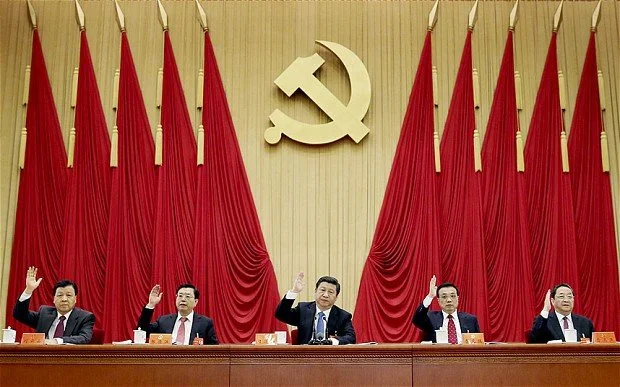
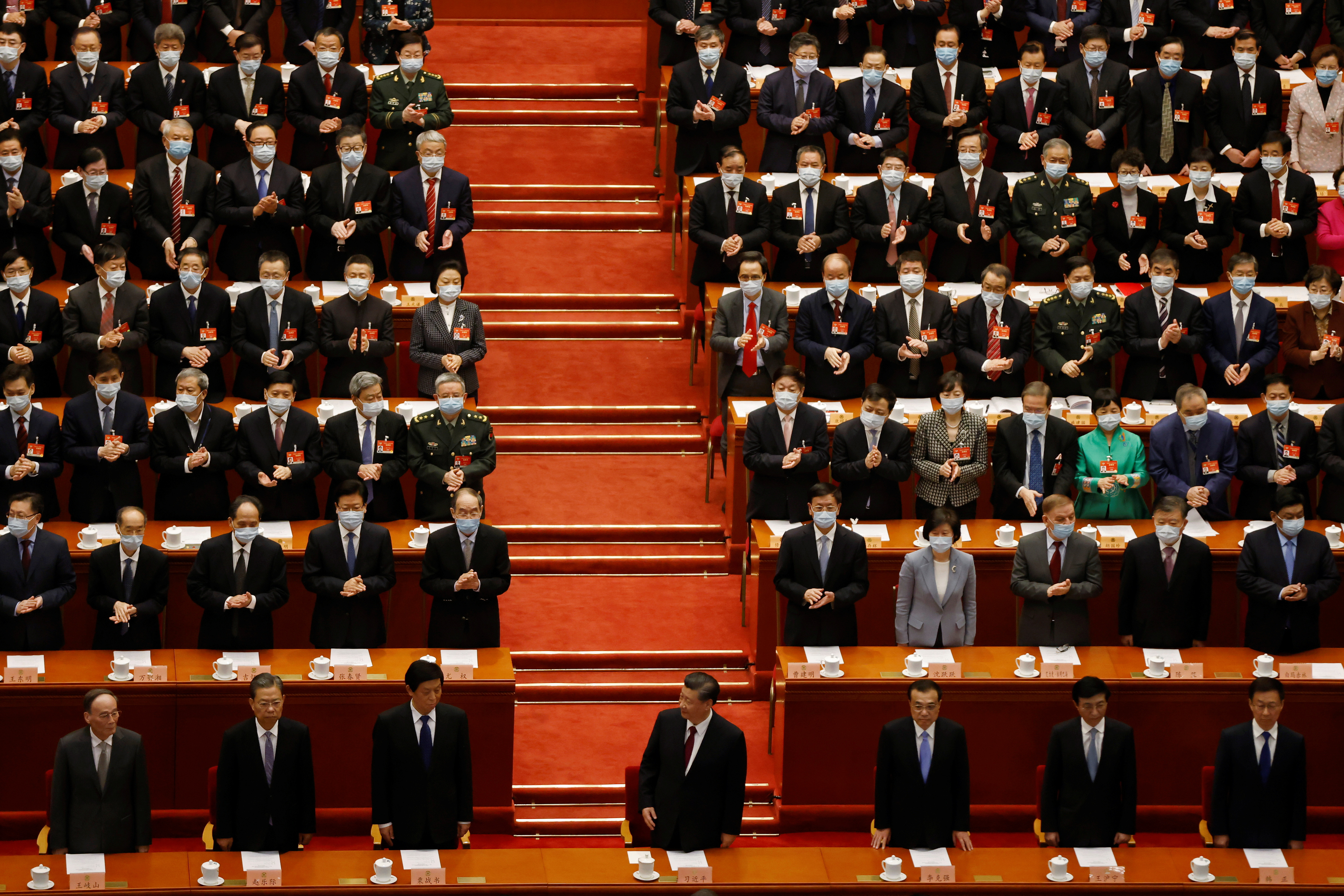
The recently-concluded National People’s Congress or Two Sessions in Beijing didn’t surprise much. But a thorough analysis reveals departures from the past – not holding a press interaction after the meeting, and further consolidation of domestic power by the Communist Party of China. Of note to India is the delinking of China’s defence budget from the country’s rate of growth – meaning freedom to enhance its military’s capability.
Courtesy: CGTN
China’s hostile actions in the East and South China Seas have led to a deepening of naval partnerships within the Indo-Pacific such as the U.S., Japan, Philippines, Australia and South Korea. As crises in West Asia escalate and the strategic contest between the U.S. and China hardens in the Pacific Ocean, India – placed strategically in the Indo-Pacific – can’t neglect either the west nor east.
Courtesy: The Hindu
Long treated by Pakistan as a colony, Balochistan has seen several high-profile attacks by locals against Chinese interests. The growing unrest in the region reflects Islamabad’s failure to address key development issues. With less than 10% of this year’s federal budget earmarked for development, it appears that the only means of quelling the violence is more repression.