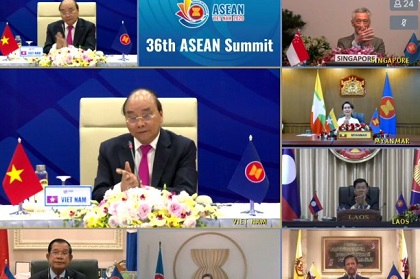
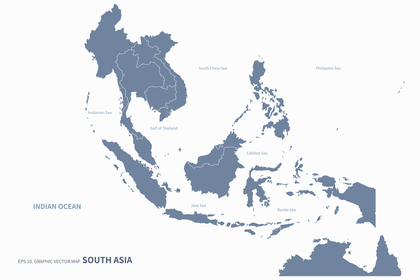
The jubilation displayed by many ASEAN countries on account of the Vietnam’s statement as chair of the 36th ASEAN Summit, referencing events in the South China Sea is belied by a sense of realism and caution. But the fact that more nations are speaking up is a good sign.
China’s escalating actions in the wake of the COVID-19 catastrophe is a calculated strategic diversion and risk. In the Indo-Pacific, tensions between China and the U.S., Australia, India and others are building momentum. As a geopolitical partnership, the relevance of the Quad is now proven. There are clear ways to empower it immediately, and make it a resilient grouping.
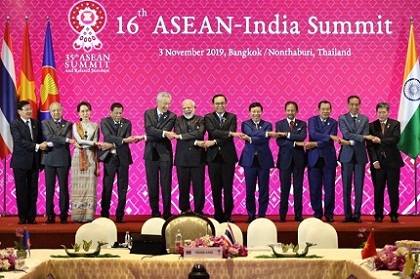
The 35th summit of the Association of South East Asian Nations, held in Bangkok early in November, showed that a shifting geostrategic landscape notwithstanding, “ASEAN centrality” in the region is a top priority with members. It also served as a backdrop for three summits that ASEAN held on November 4 with China, U.S. and India
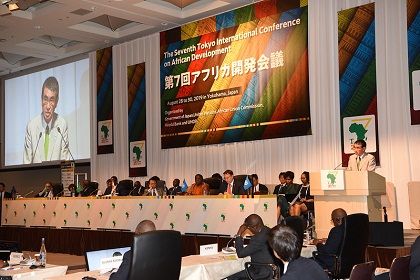
The Seventh Tokyo International Conference on African Development was a departure from earlier editions of it. Japan, which is changing tack as a competitor to China in Africa, held back from publicising the number of heads of state present to prevent any comparisons with other such forums and made no further commitments on Overseas Development Assistance. The accent, instead, was on increasing Japanese private sector engagement
The foreign ministers of the Quad countries meet for the first time in New York today even as the Indo-Pacific has turned into a keenly contested geopolitical arena. Some countries are offering to play a mediatory role while other triangular equations are also undergoing change. An analysis of some of the relationships at work here
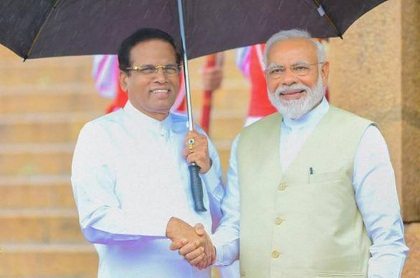
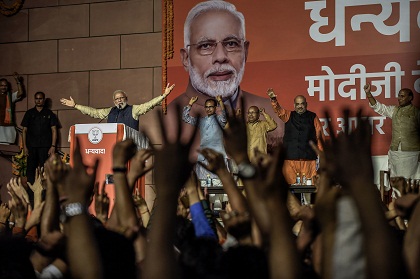
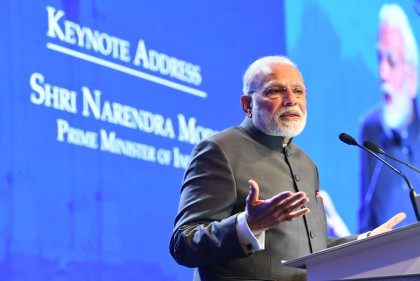
India’s foreign policy is increasingly blended in with its domestic agenda – and vice versa. Prime Minister Modi’s past proactive foreign policy has paid dividends in bringing global attention to India, a fact young voters have noticed and approved. In his second term, what will India’s foreign policy look like? A continuum of the past, but also new frameworks for the future
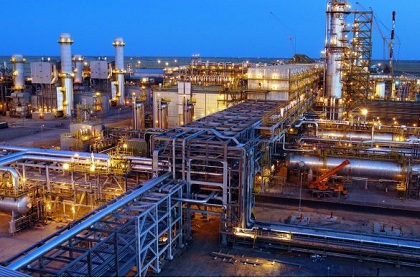
The main objective of the Shanghai Cooperation Organisation’s (SCO) Energy Club, when Russia formed it, was to market its member states’ substantial oil and natural gas reserves. This map shows some of the important natural gas pipelines, originating from Russia and its neighbouring countries that are not members of the SCO. What can India do to secure supplies from these abundant but currently inaccessible natural gas reserves?
The key global powers are redefining their roles in the Indo-Pacific to promote national interest. China’s rise and increased activism in South Asia and the Indian Ocean region is an uncontested reality even as Asian countries worry about the new cold war in which the U.S. and China are locked. The Quadrilateral Dialogue has reemerged to prevent a unipolar Asia — these are some of the trends unfolding in this arena
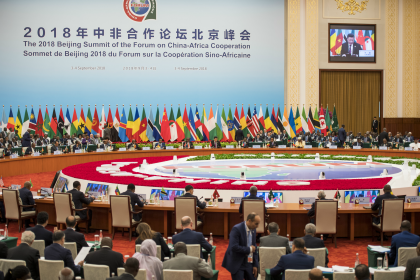
China’s footprint in the African continent is growing because it is a zealous summiteer. And now, in response to ‘debt-trap’ criticism, it also appears to be stressing private sector investment in Africa over loans and credit. Are there any takeaways for India in this?