Diplomatic dimensions of Rohingya crisis
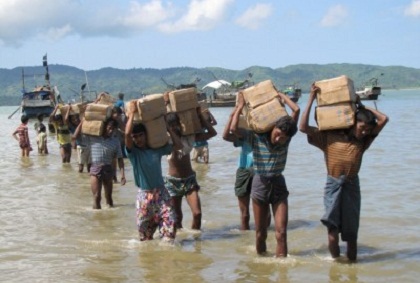
No easy solutions to this refugee problem are emerging despite the considerable international attention it has drawn. India has taken a pragmatic stand despite anxiety about deepening China-Myanmar ties

 Courtesy: Flickr
No easy solutions to this refugee problem are emerging despite the considerable international attention it has drawn. India has taken a pragmatic stand despite anxiety about deepening China-Myanmar ties
 Courtesy: to put
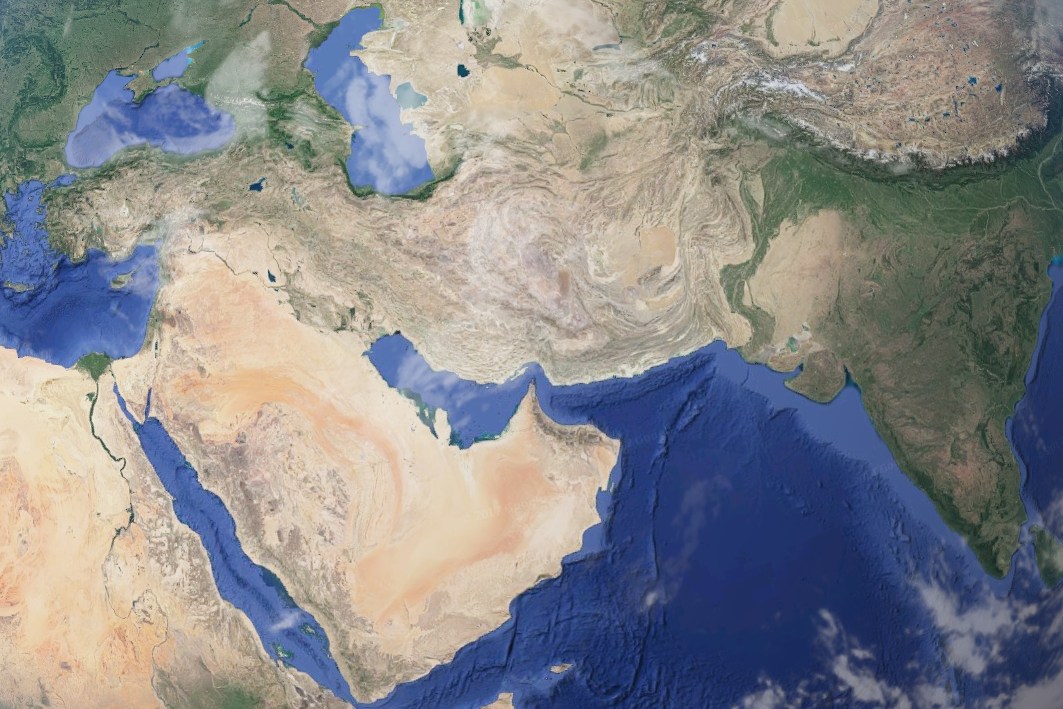
A conference in Doha on ‘Enriching the Middle East’s Economic Future’ offered many insights into the nature of geopolitical relations in the region and India’s significant role in it
 Courtesy: MEA/Flickr
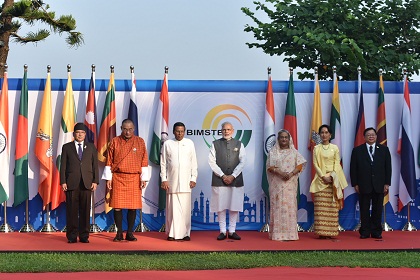
Regional groupings in South Asia have turned out to be like diligent pupils whose report cards show performance below par. The reasons for such an impasse range from political divergences to the economic downturn and the much talked about China factor that has many implications for India
 Courtesy: MEA/ Flickr
This regional grouping has to deliver on promises in collaboration with governments and corporate India so that neglected issues – from the Rohingya crisis to the scheduling of the next summit, and arriving at an agreement on the Free Trade Area – enter the national discourse
 Courtesy:
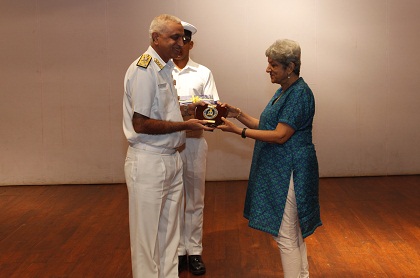
Rivers bestow blessings and those thus blessed are duty-bound to nurture them in return – or face the catastrophes that climate change will bring
 Courtesy: Western Naval Command
China has expanded its presence in the Indian Ocean Region. President Xi Jinping has abandoned Deng Xiaoping’s conciliatory posture for an aggressive, money-fuelled search for super power status
 Courtesy: Flickr
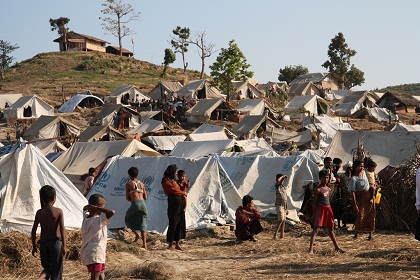
Prime Minister Modi’s visit to Myanmar gave the bilateral a substantive boost, but the exodus of over half a million Rohingya refugees dominated the discourse. India’s response has shown a balancing of compulsions, both humanitarian and strategic
 Courtesy: Archive.org
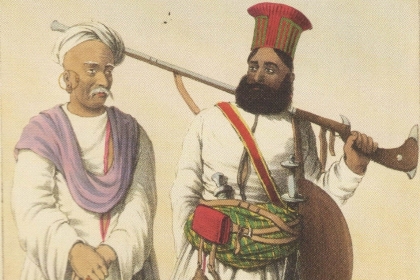
Many of the Hindu Sindhi refugees who fled to India post Partition succeeded in rebuilding their lives afresh, their native entrepreneurial spirit enabling them to rise up from the destitution that displacement caused. Ulhasnagar, Thane district, which was a refugee camp 70 years ago, is a microcosm of how the community rehabilitated itself--with the help of a well dispersed and generous Sindhi trading network
 Courtesy: Gateway House
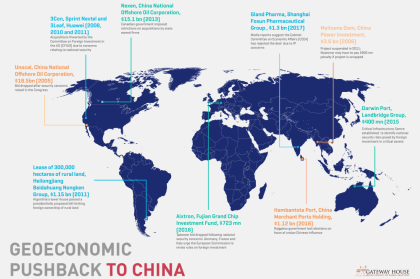
The Indian government may block the acquisition of Gland Pharma by Shanghai Fosun Pharmaceuticals, a move that offers further confirmation of how China’s opaque business model is causing concern worldwide. This infographic shows some high-profile cases of acquisitions by Chinese companies that ran into local opposition
 Courtesy: MEA/ Flickr
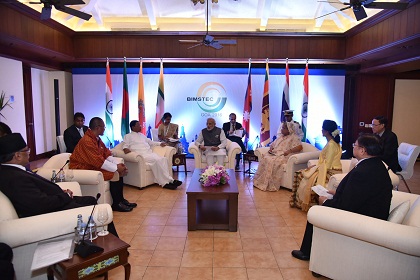
This regional grouping, which was envisioned as a potential bridge between SAARC and ASEAN, turns 20 on June 6. It achieved very little until last year, when efforts to revive its original mission began quite by accident. It has the potential to make greater strides if member states adhere to their commitments.