U.S.-Taliban deal: India in strategic role
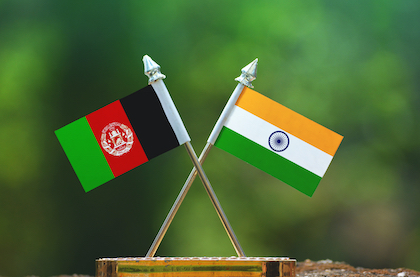
India should stop looking at Afghanistan through the Pakistan prism and be a major contributor in the development of peace and prosperity in the country

 Courtesy: Shutterstock
India should stop looking at Afghanistan through the Pakistan prism and be a major contributor in the development of peace and prosperity in the country
 Courtesy: Shutterstock
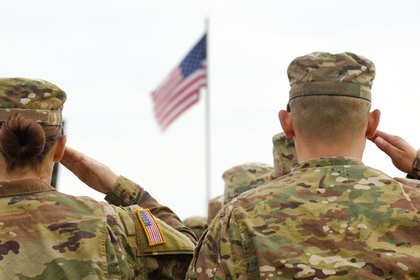
The signing of an agreement between the U.S. and the Taliban on February 29 may result in the withdrawal of U.S. troops from Afghanistan, which is contingent upon the Taliban’s adherence to certain conditions. The end of the West’s 19-year-long Afghan campaign – if Pakistan does not turn spoiler – is of vital interest to India
 Courtesy: MEA/Flickr
The outcome of the U.S. presidential elections could have a significant impact on the deepening Indo-U.S. bilateral. The partnership has grown substantially in the last two decades resulting in a deepening of economic and strategic relations. Defence dominates the strategic partnership and also stimulates the economic engagement. The newly signed BECA agreement is a testament to this. The next U.S. administration's policies will be critical for India, given repeated Chinese incursions into Indian territory on the Line of Actual Control at the border, the U.S.-China rivalry and China's ambitions to dominate Asia. Gateway House has an extensive repository of primary research, analysis and reporting on the Indo-U.S. bilateral, addressing issues such as trade, technology exchange and defence cooperation.
 Courtesy: MEA/Flickr
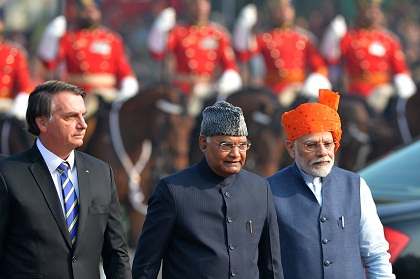
President Jair Bolsonaro’s visit to India in January helped correct the view that India-Brazil ties belong more in a multilateral forum. The accent this time was on the two countries’ congruence of interests amidst the current climate of geopolitical uncertainty and complex multipolarity and the scope for enhanced cooperation in four focus areas
 Courtesy: MEA/Flickr
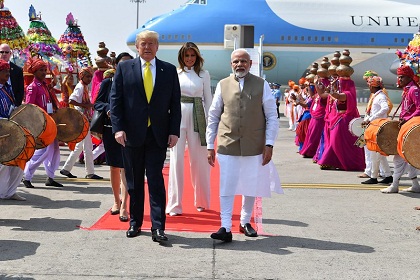
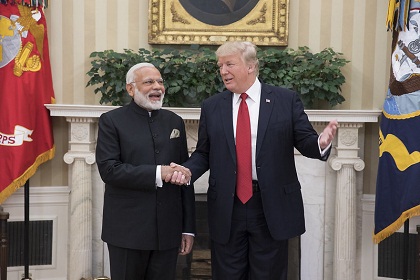
In the run-up to President Trump’s visit to India on 24-25 February 2020, Ambassador Neelam Deo, Director and Co-founder of Gateway House, discusses in this interview how he has made balanced trade a global issue, but given substance to the India-U.S. defence bilateral, sharpening the concept of the Indo-Pacific and the Quad’s profile
 Courtesy: MEA/Flickr
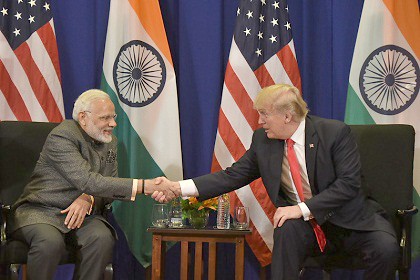
U.S. President Donald Trump’s first presidential visit to India later this month bodes well for bilateral relations. It is a continuing foreign policy success story for the two countries extending through four U.S. administrations and three Indian ones. A curtain raiser on what to expect.
 Courtesy: Shutterstock
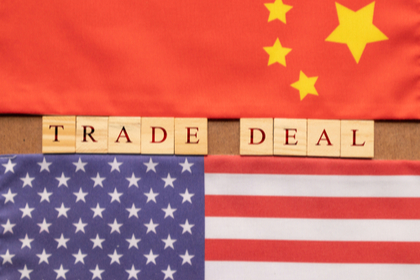
The U.S.-China Trade Agreement, concluded on 15 January 2020, was the result of a trade war. It is limited to agriculture, mainly, and select service sectors of American interest, with provisions designed to prevent imbalances and distortions
 Courtesy: Foreign Affairs
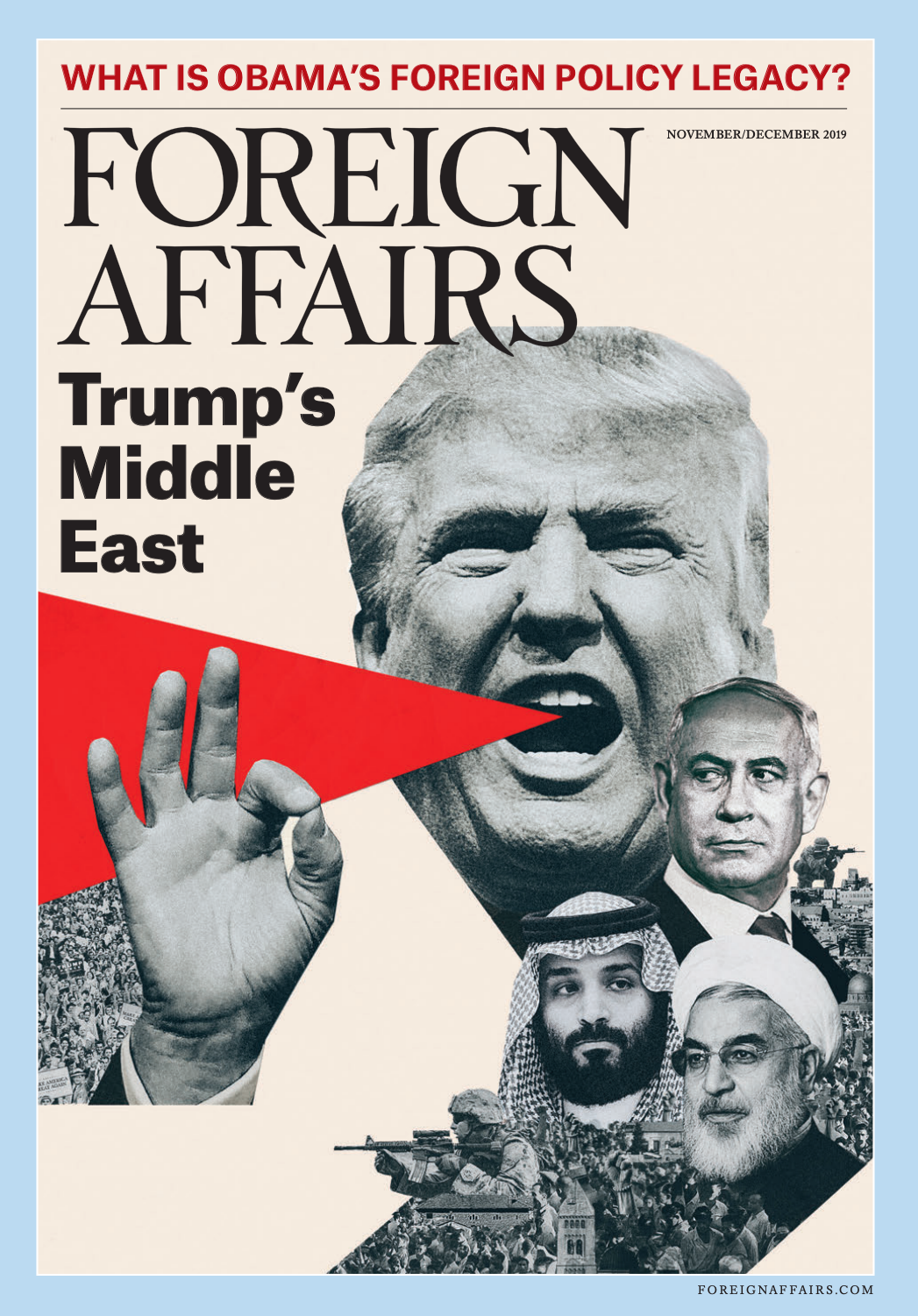
Countries in the Middle East, such as Iran, Israel or Saudi Arabia, do not want a military confrontation. Yet, current circumstances conduce to the breaking out of just such a war
Britain left the European Union on 31 January 2020. There will be no immediate outcome, but the intention of all the European leaders is to make it an amicable departure over the course of the year. Ambassador Neelam Deo, Director and Co-founder of Gateway House, discusses Brexit’s geopolitical implications and its impact on India’s relations with the EU and UK
 Courtesy: Shutterstock
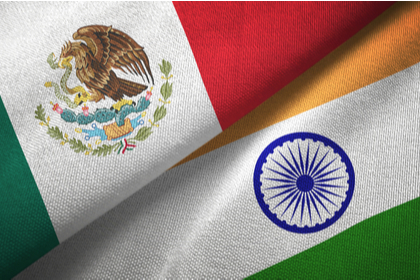
This year marks the completion of 70 years of diplomatic relations between India and Mexico – but the full potential of this bilateral relationship has not been explored. Mexico exports oil to India, and hosts facilities of the Indian auto, IT and pharma sectors. There are three profitable reasons to intensify the bilateral, fulfilling both the diplomatic and business agenda