Can India and China be friends?
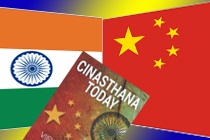
In Cinasthana Today, P.S. Deodhar suggests that both India and China must forge deeper economic relations to maintain the momentum of growth and make this an Asian century

 Courtesy: Sameer/Gateway House
In Cinasthana Today, P.S. Deodhar suggests that both India and China must forge deeper economic relations to maintain the momentum of growth and make this an Asian century
 Courtesy: Gateway House
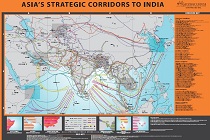
The map – Asia’s Strategic Corridors to India – has emerged from Gateway House’s study of India’s strategic links with other parts of Asia. It highlights the progress India has made in forging multiple links with six strategic regions – Central Asia, West Asia, East Africa, South-East Asia, East Asia, and our immediate neighbourhood
 Courtesy: Wikimedia Commons
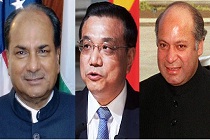
Both Indian Defence Minister A.K. Antony and Pakistani Prime Minister Nawaz Sharif visit China this week. However, their objectives are different. Antony visits China to bring up security issues in the aftermath of the Depsang incursion, while Sharif makes his visit in hope of bettering his flailing economy
 Courtesy: European External Action Service/ Flickr
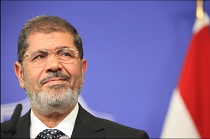
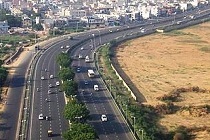
The downfall of Egyptian president Mohammad Morsi was partly contributed by those thousands of protesters who disagreed with his view of “Us” and “Them”. Leaders such as Morsi have focused on persecuting those who refuse to share their vision; continuing down this path would have had a negative impact on history
 Courtesy: V Malik/Wikimedia Commons
Policy Perspectives from Gateway House give an overview of a global issue that has implications for India’s policy-making and business community. This edition examines the gaps in India’s high technology trade with Japan and outlines ways to begin a more profitable relationship with the country
 Courtesy: MEAphotogallery/ Flickr
In 2012, Iraq emerged as India’s second largest crude oil supplier thereby shifting focus back on bilateral relations. However, India’s historical and cultural connection with Iraq, as well as common geopolitical concerns, reveal that relations have the potential to go beyond oil
 Courtesy: World Economic Forum/ Flickr
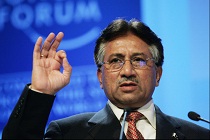
This daily column includes Gateway House’s Badi Soch – big thought – of the day’s foreign policy events. Today’s focus is on why prosecuting former President General Pervez Musharraf has serious implications for regional stability
 Courtesy: openDemocracy/Flickr
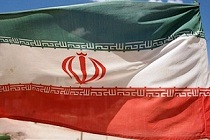
Hassan Rohani’s victory in the June 14 presidential election has demonstrated a growing urge among Iranians for democracy, freedom and integration with the outside world. Will Rohani be able to create an environment where pragmatic policies and national interests take precedence over revolutionary zeal?
 Courtesy: Center for American Progress/ Flickr
The upcoming India-U.S. Strategic Dialogue offers an appropriate platform to move past complaints both sides have against each other in the trade and economic spheres. The stage can be used to re-apply emphasis on strategic relations and reach levels of goodwill established during the time of former U.S. President George W. Bush and Manmohan Singh
 Courtesy: NRCgov/ Flickr
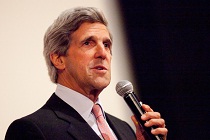
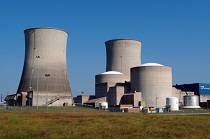
India-U.S. bilateral trade stands to benefit if U.S. Secretary of State John Kerry is able to seek clarification on the specificities of the Civil Liability for Nuclear Damage Act and alleviate the worries of American energy companies which fear paying monetary damages without limit in the event of a nuclear accident