The Emerging Exception
The traditional label of ‘middle power’ fails to capture India’s growing status. The country’s ability to shape the international discourse is no longer in question. India sees itself as a key player the global order.

 Courtesy: The Diplomatist
The traditional label of ‘middle power’ fails to capture India’s growing status. The country’s ability to shape the international discourse is no longer in question. India sees itself as a key player the global order.
 Courtesy: PTI
Operation Sindoor conveyed three messages: First, to Pakistan that it will have to bear the consequences of continuing to support terrorism. Second, to terrorists, that Bharat will inflict the same pain, if not more, than they inflict on Indian citizens. Third, to the world, that Bharat is resolute in responding to terrorism in a “measured, non-escalatory, proportionate, and responsible” manner.
 Courtesy: Agence France-Presse
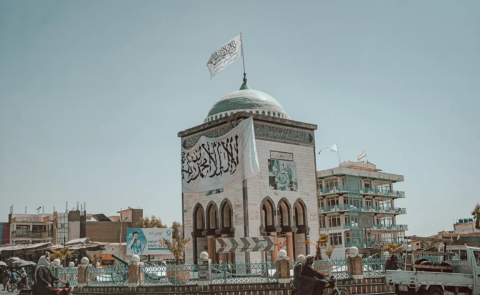
The on-going India-Pakistan tensions have obscured the grave issues Pakistan is facing on its western frontier with Afghanistan. The resurgence of Pashtun nationalism, the long-running Baloch insurgency and the growing resentment over Punjabi dominance is challenging Pakistan’s identity and ideology as protector of Islam. The Taliban under the Emir in Kandahar holds far greater moral authority than any general in Rawalpindi.
 Courtesy: Agence France-Presse
India-China relations, undergoing a thaw since October 2024, have been slow to mend. In this scenario it is worth examining what assistance China can give Pakistan in case of military action by India, post Pahalgam. The state of play on the India-China border will also have a major implication for this.
 Courtesy: AFP
The victory of Mark Carney and the Liberals in the Canadian elections is a turnaround from the party's diminished position just four months ago. The former banker's campaign ran on a strong, independent Canada able to stand up to the new U.S. administration’s tariff provocations. Now come the challenges. The Carney government has much work to do in rebuilding ties abroad and bridging Canada's internal divisions.
 Courtesy: ANI
The 6th BIMSTEC Summit in Bangkok on April 4, 2025 saw progress for the organisation, such as the adoption of a ‘Vision 2030’ plan outlining its goals till 2030. In other areas, the grouping continues to lag. BIMSTEC must watch for potential challenges to its future as it seeks to bridge the gaps.
 Courtesy: Hindustan Times
The Indo-Pacific region is vital to India’s security and economic development. With escalating threats and geopolitical competition in the region, India is seeking a favourable position through its bilateral ties with countries like Mauritius, New Zealand, Singapore, Thailand, Australia and the U.S. and special attention must be paid to the various plurilateral groupings India is a part of, to manage future issues.
 Courtesy: AP
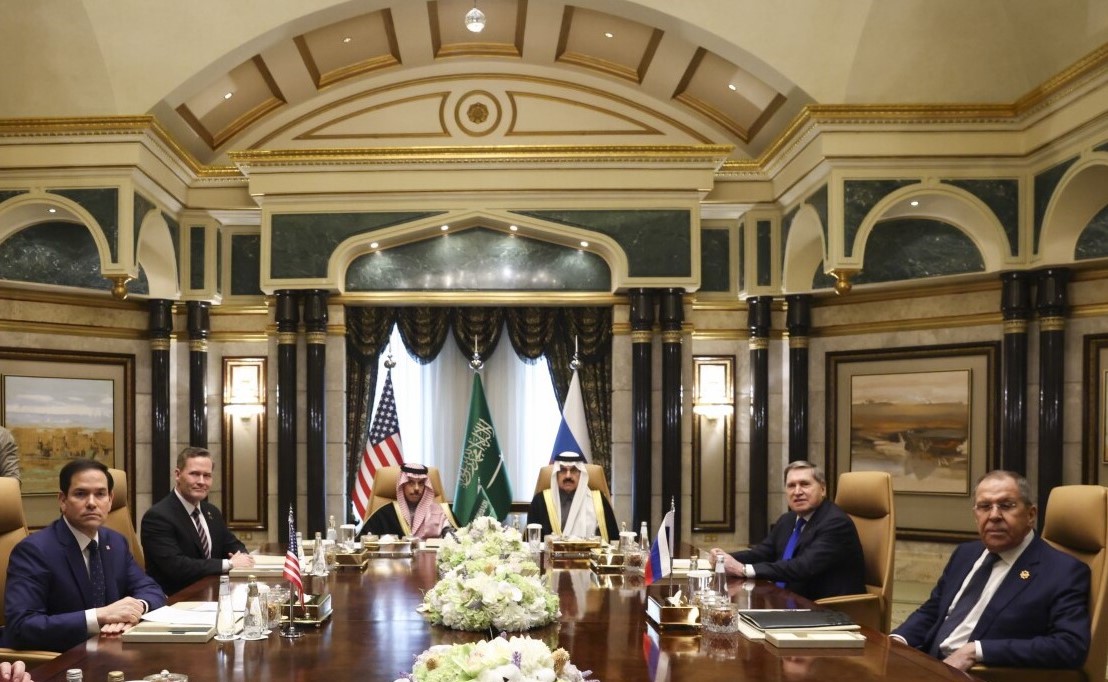
Saudi Arabia has been the new centre for mediation between warring states and their sponsors. It reflects the shifting dynamics in an increasingly multipolar world and the redefinition of power structures. This role has extended to other Gulf states, which have strategically positioned themselves as neutral players, leveraging their strong relations with the great powers, and adopted culturally sensitive to consensus-building.
 Courtesy: Reuters
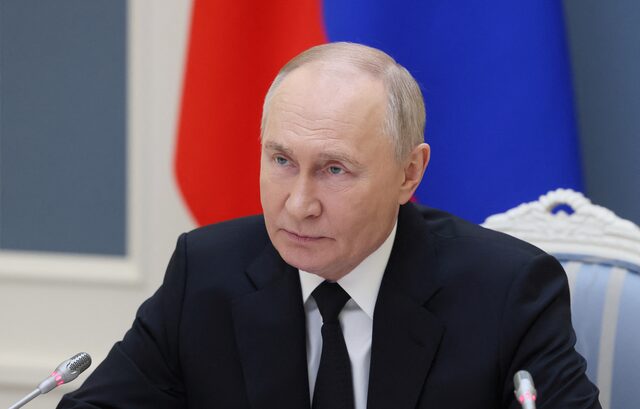
The 18 February bilateral negotiations between Russia and the U.S. to end the war in Ukraine, will take Russia out of western isolation and put it back into the global mainstream. This is a success for President Vladimir Putin, who has now been ruling Russia for 25 years, by focusing on domestic stability and development and a revival of relations with the West, China and India.
 Courtesy: BERNAMA
Malaysia’s chairmanship of ASEAN in 2025 is pivotal. It will have to steer ASEAN toward regional peace, stability, and prosperity while reinforcing its centrality. All this during a time of heightened geostrategic rivalry, economic deglobalisation, rising protectionism, and nationalist trends.