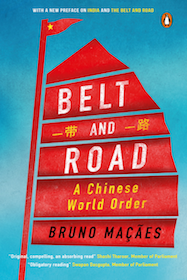
9780199489640 Courtesy: Oxford University Press
18 April 2019

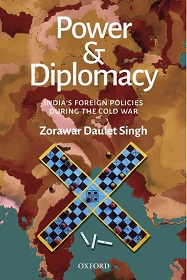
When India played peacemaker

This account of India’s foreign policy under Jawaharlal Nehru and Indira Gandhi is an accomplished body of research into a period, usually studied primarily for India’s Non Aligned Movement. The author suggests that Nehru’s larger Asian, more global, view for India has therefore gone unnoticed
regan Courtesy: Pacom
11 April 2019

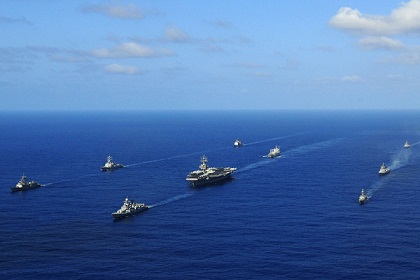
Canada in the Indo-Pacific

Canada, which has been slow to respond to a changing trans-Pacific neighbourhood, can join India and the ASEAN member states to embark on a trilateral dialogue on the Indo-Pacific’s importance in terms of political, strategic and other domains. An alignment in outlook can strengthen the security and prosperity of a region, currently mired in U.S.-China rivalries

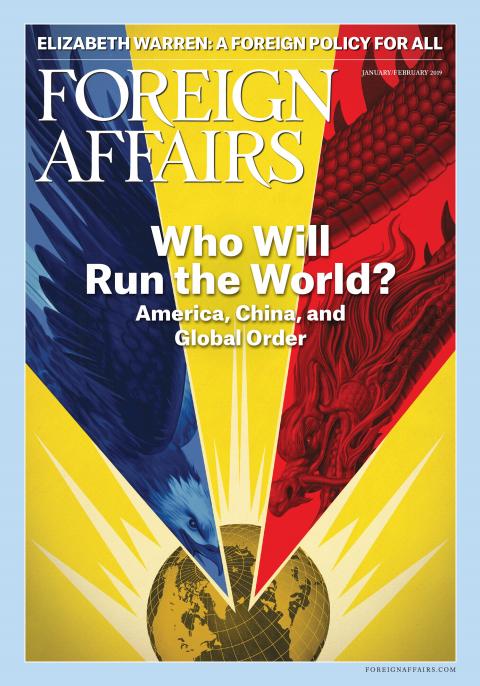
jf19_cover_large2 Courtesy: Foreign Affairs
13 February 2019

The Stealth Superpower

Although China does not want to usurp the United States’ position as the leader of a global order, its actual aim is nearly as consequential. As one Chinese official put it, “Being a great power means you get to do what you want, and no one can say anything about it.” In other words, China is trying to displace, rather than replace, the United States.

The problems of populism
7 February 2019

The problems of populism

This vivid portrait of socialist India, by giving primacy to the political background that determined Indira Gandhi’s responses, is different from the yearly ritualistic denunciations of her and the Emergency. It also has a story-teller’s flair, making it accessible to readers born well after 1975

35830490205_81bd5000f7_o Courtesy: MEA/Flickr
6 February 2019

Indian Foreign Policy in 21st Century

The following remarks were given by Ambassador Rajiv Bhatia, Distinguished Fellow, Foreign Policy Studies, Gateway House as Distinguished Guest Lecturer at IIM Tiruchirappalli on February 3, 2019

Rediffmail Courtesy: Rediffmail
6 December 2018

Modi a better CM than PM?

Academic and columnist M.D. Nalapat, in this interview with Manjeet Kripalani, speaks of how a tardy bureaucracy has brought about “a too-cautious” policy towards the U.S. and China as opposed to the former Gujarat chief minister’s greater openness in consulting people before handing over policy implementation to the bureaucracy. He also discusses the prime minister’s shrewd approach to South Asia, the dependable warmth of the Japanese and a range of other topics

nd18_cover_large Courtesy: Foreign Affairs
3 December 2018

Beijing’s Nuclear Option

Experts estimate the likelihood of a U.S.-Chinese nuclear crisis as “somewhere between nil and zero.” This assurance is misguided. The United States' signature approach to conventional warfare would be a potential recipe for nuclear escalation.