bobs piece for 26,11 Courtesy: isafmedia/Flickr
18 November 2011

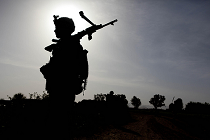
9/11 and 26/11: Are we any safer?

Last May, U.S. citizen David Headley confessed to being a spy for the Lashkar-e-Taiba. What no one has tackled yet is whether there are other Headleys out there whose actions threaten India, or any other country. Even with thousands of intelligence agencies scouting for terrorist activities, are we really safer?

SAARC pic Courtesy: PMO
8 November 2011

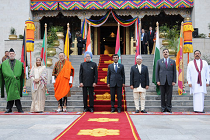
Reviving SAARC

Creating a neighbourhood of compatible interests in South Asia isn’t easy, especially when intra-regional trade accounts for only 5% of total trade in the region. However, the region has seen considerable progress in the past year. India is well poised to lead the change, starting with the upcoming SAARC summit.

The Airavat Incident Much ado about nothing Courtesy: U.S. Navy/WikimediaCommons
11 October 2011

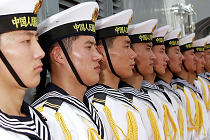
The Airavat Incident: Much ado about nothing

In the context of security and sovereignty, India is involuntarily Pakistan-centric and Sino-deferential. India must deal with China with deference without degradation, firmness without confrontation, and raise the threshold of its defense posture in physical and policy measures, without upping the ante.

India-Bangladesh: Energy has to be the driver Courtesy: PMO
28 September 2011

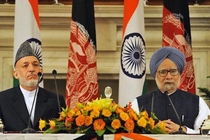
India-Bangladesh: Energy has to be the driver

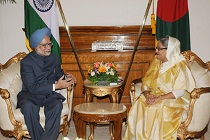
Shortly after Prime Minister Manmohan Singh’s visit to Dhaka, Gateway House interviewed the Bangladeshi High Commissioner to India, Tariq Ahmad Karim, who commented on the prospects of enhanced relations between the two nations, and the opportunities that lie ahead.

bangaldesh trip piece Courtesy: PMO
9 September 2011

India-Bangladesh: Like U.S.-Canada? Someday, maybe.

Indian Prime Minister Manmohan Singh’s visit to Dhaka was, by and large, a success; but poor internal coordination hampered the greater possibilities of the visit. India and Bangladesh can now explore new prospects, on maritime issues, oil and gas and environmental concerns in the Sundarbans.