IMG_2283 Courtesy: Manjeet Kripalani
2 June 2016

The sanctioned, sleeping beauties awake

The crippling effect of American sanctions are thorough; designed to strangle economies and bring entire nations to a halt. However, they unknowingly pull people together, imparting a deep sense of patriotism and often sparking innovation which can quickly surpass any other world power. With sanctions being lifted on nations like Myanmar, Iran and, hopefully, Cuba, the question remains whether they will retain their uniqueness or fall into line with the rest?
modi RCEP Courtesy: MEA / Flickr
26 May 2016

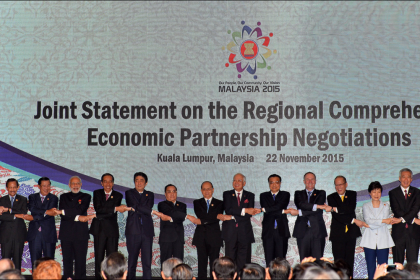
India’s five-cornered trade strategy

Five rather unfavourable trends define India’s trade performance over the past two years; these trends also provide useful pointers as to where India’s future trade strategy can go over the next three years as it deals with a global economic slowdown, the rise of megatrade agreements and a pivot to a more intensive trade relation with the U.S.

800px-thumbnail Courtesy: Wikipedia
12 May 2016

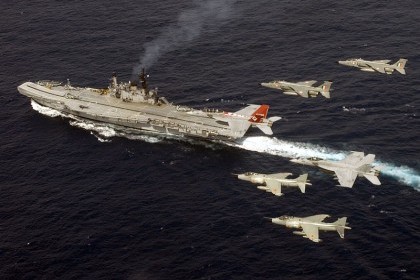
India: openly-allied with the U.S.

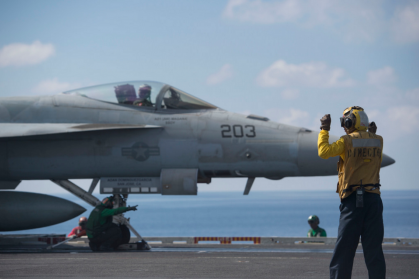
After nearly a decade of moving slowly towards the U.S. on critical matters including nuclear power, the recent bilateral agreement to share military facilities and have anti-submarine warfare talks, suggest that Prime Minister Narendra Modi will have India sail the oceans with the American eagle.

US India Navy Courtesy: Ash Carter / Flickr
16 April 2016

India-U.S.: convergence and divergence

The success of the U.S. Defense Secretary's recent visit to India is indicative of the deepening India-U.S. defence relationship. It has become clear that Indo-U.S. maritime cooperation in the Indian Ocean is steaming ahead; while other geopolitical differences, like the sale of aircraft to Pakistan, seem unlikely to disappear anytime soon.

Carter and Parikhar Courtesy: Department of Defense, U.S. Gov
14 April 2016

Carter in India: a foundational visit

The recent visit of the U.S. Defense Secretary to India has yielded significant outcomes on streamlining bilateral military interactions, deepening maritime security cooperation and defence technology collaboration. As India grows closer to the U.S., it should be clear about the objectives of this engagement

India US energy war Courtesy: MEA India / Flickr
9 December 2015

COP21: unspoken India-U.S. war

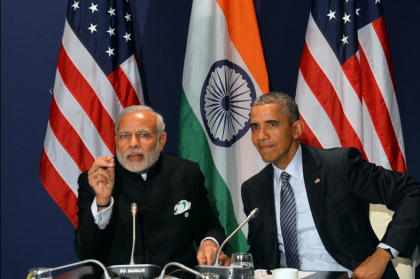
An unspoken war has been waged between India and the U.S. at the COP21 Summit in Paris. If the West wants India to opt for more expensive energy options, then they must also reciprocate by sharing technology.

Ecuador Dhruv Courtesy: Presidencia Ecuador / Flickr
26 November 2015

India-Ecuador: growing past defence

The Ecuadorian president’s first-ever state visit to India this month was cancelled, possibly because four of seven helicopters supplied by HAL to Ecuador have crashed. But this hurdle can be overcome, and ties between the two countries can expand beyond defence and oil to sectors such as pharma, IT, and agribusiness.

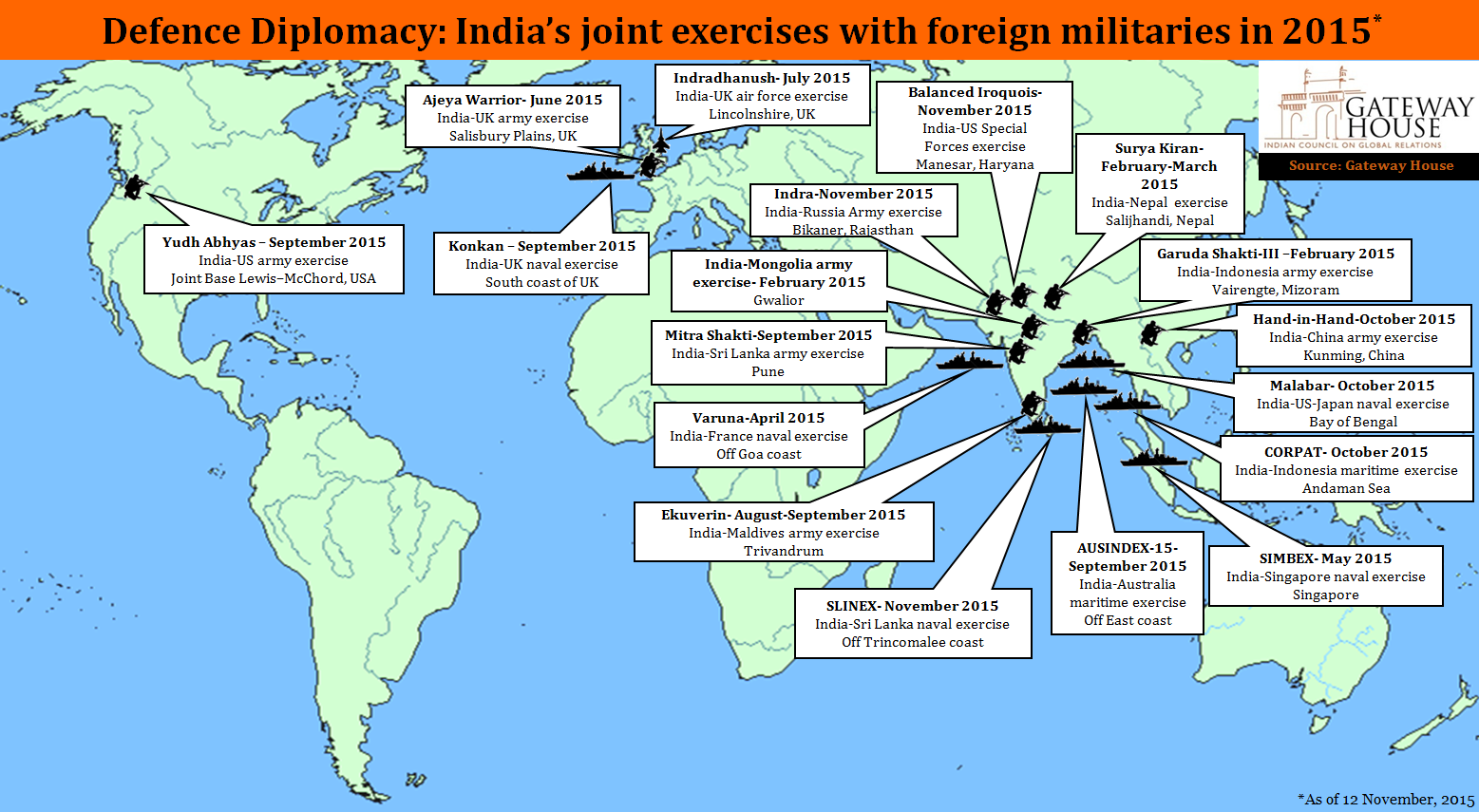
This year, India's defence diplomacy has ramped up. In 2015 alone there have been 18 military exercises- naval, army and air force- with 13 countries, among the largest engagements the country has had. Most significant is Japan joining the Malabar exercises in the Bay of Bengal and the first-ever maritime exercise with Australia. This is increasing India's presence from the Arabian Sea to the Bay of Bengal. As these exercises intensify India will be better positioned to handle regional security challenges. Courtesy:
12 November 2015

India’s defence diplomacy

This year, India's defence diplomacy has ramped up. In 2015 alone there have been 18 military exercises- naval, army and air force- with 13 countries, among the largest engagements the country has had. Most significant is Japan joining the Malabar exercises in the Bay of Bengal and the first-ever maritime exercise with Australia. This is increasing India's presence from the Arabian Sea to the Bay of Bengal. As these exercises intensify India will be better positioned to handle regional security challenges.

nuclear-reactors-499907_640 Courtesy: Pixabay
5 November 2015

Quiet burial for the nuclear deal?

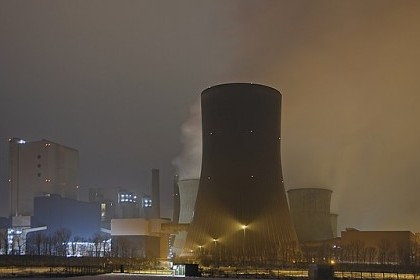
Solar power developers have offered to sell electricity in India at less than Rs 5/unit. This makes solar competitive with traditional forms of energy, and makes new nuclear power plants financially unviable. India must register the changed reality, and discard the idea of expensive Western reactors. Time to scrap the India-U.S. nuclear deal?