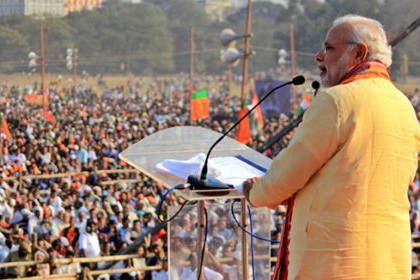
Indian Foreign Policy in 21st Century
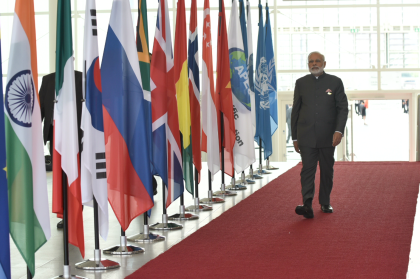
The following remarks were given by Ambassador Rajiv Bhatia, Distinguished Fellow, Foreign Policy Studies, Gateway House as Distinguished Guest Lecturer at IIM Tiruchirappalli on February 3, 2019

 Courtesy: MEA/Flickr
The following remarks were given by Ambassador Rajiv Bhatia, Distinguished Fellow, Foreign Policy Studies, Gateway House as Distinguished Guest Lecturer at IIM Tiruchirappalli on February 3, 2019
 Courtesy: MEA Flickr
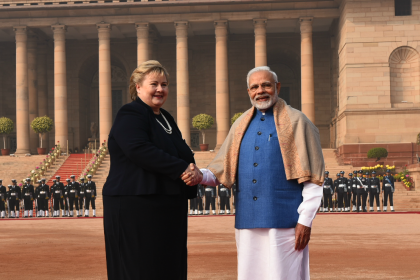
Norwegian prime minister Erna Solberg’s visit to India earlier this week had a central focus: strengthening economic and technological cooperation in the Blue Economy. This is an area in which her country has considerable expertise and with which Indian business needs to collaborate in managing industries, such as oil, shipping, fisheries and aquaculture in a ‘green’ way
 Courtesy: MEA Flickr
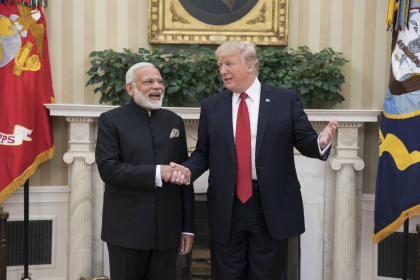
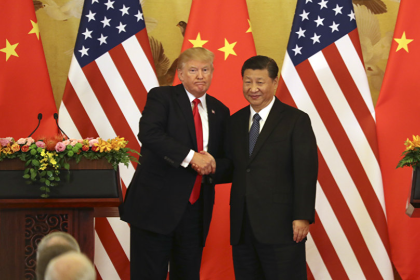
The imperative for India to move away from its non-aligned posture is now, especially if it wants to be consequential in the global reordering underway. This will play out in the contention between the U.S. on one side, and China and Russia on the other.
 Courtesy: Sputnik News
Speakers at the seventh Atlantic Dialogues, held in Morocco earlier this month, discussed what the challenge to western dominance and China’s expansionism meant for their political and economic future
Academic and columnist M.D. Nalapat, in this interview with Manjeet Kripalani, speaks of how a tardy bureaucracy has brought about “a too-cautious” policy towards the U.S. and China as opposed to the former Gujarat chief minister’s greater openness in consulting people before handing over policy implementation to the bureaucracy. He also discusses the prime minister’s shrewd approach to South Asia, the dependable warmth of the Japanese and a range of other topics
 Courtesy: Wikimedia Commons
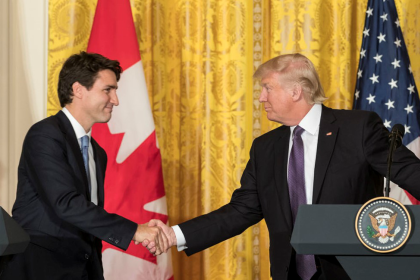
The United States, Europe and the Asia Pacific today form Canada’s tripartite foreign policy priorities. The ASEAN is its sixth largest partner, which was not so 20 years ago, but economic engagement with India – still small, compared to China and Japan – has scope to grow
 Courtesy: Wikimedia Commons
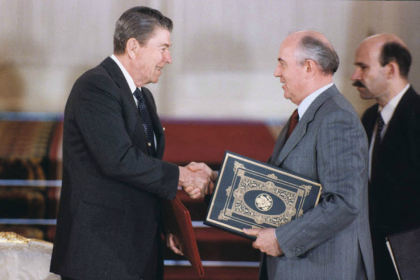
America’s withdrawal from a Cold War arms control agreement seems to be dictated by China’s development and deployment of thousands of short and medium range ballistic missiles.
 Courtesy: Gateway House
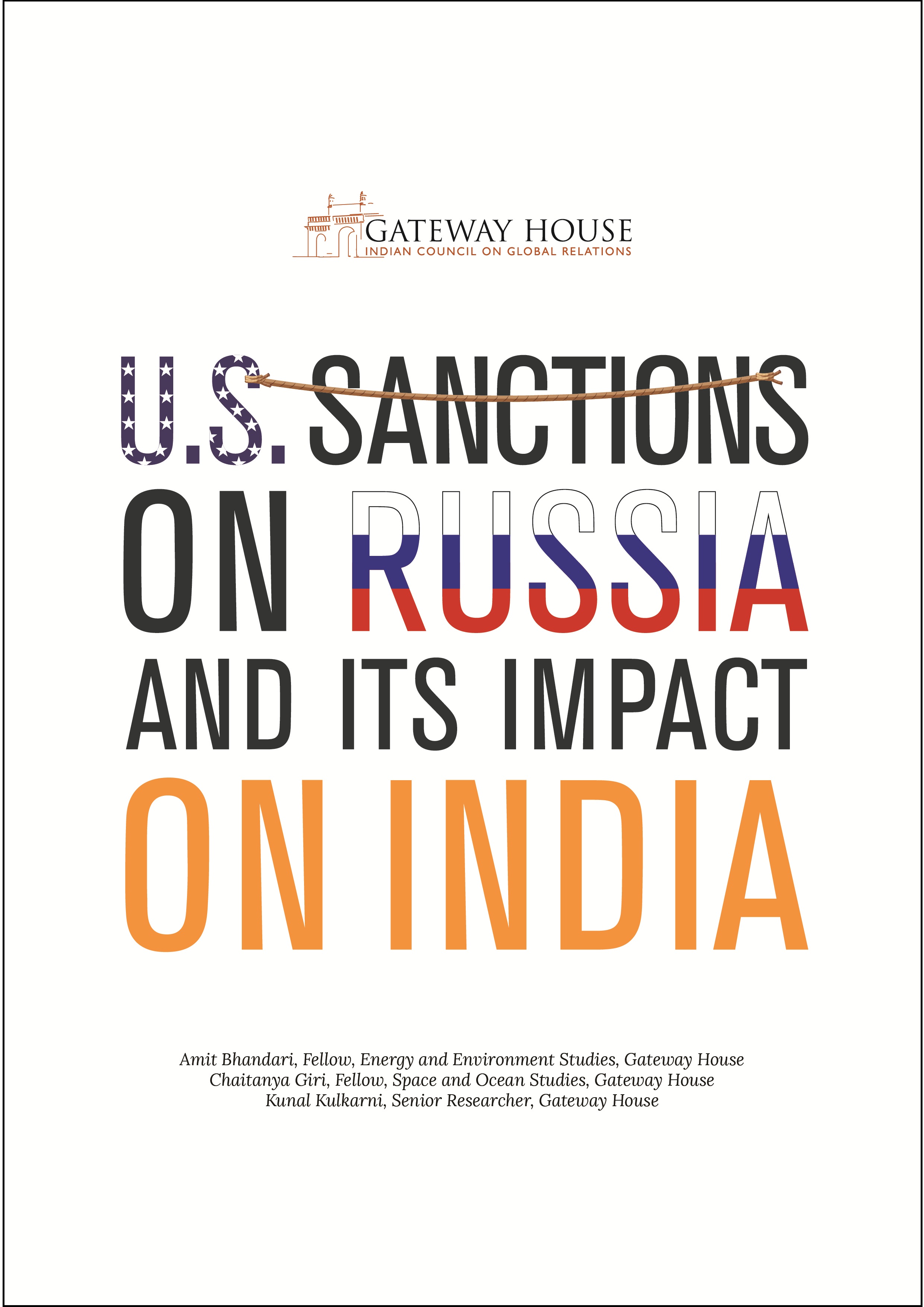
America is increasingly using sanctions as a geopolitical tool against its rivals, Russia, Iran and Venezuela. These countries are important partners for India, which needs to find ways around unilateral American sanctions.
 Courtesy: Caixin Global
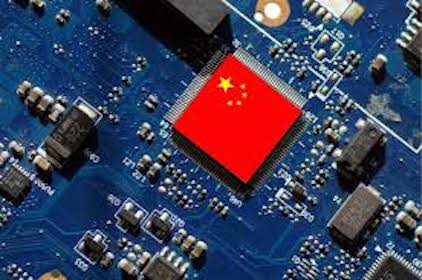
China’s foreign direct investment is shifting away from natural resources to high-tech areas, such as Artificial Intelligence and robotics. The scale of these acquisitions, along with questions about intellectual property and national security, are causing widespread concern in the West
 Courtesy: U.S. Department of State/ Flickr
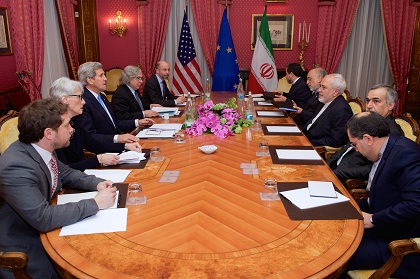
Scrapping the JCPOA will badly bruise Iran’s economy, citizens and foreign relations; it will have an impact on the U.S.’ allies too