UNSC Syria UNSC Courtesy: United Nations
4 October 2013

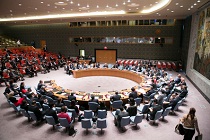
Decoding the UNSC Resolution on Syria

The recent UNSC Resolution, which mandates the complete destruction of Syria’s chemical weapons, demonstrates that after more than a year, a degree of international agreement on the Syrian issue has been possible. In the evolving situation, Russia will now emerge as a major player

bob obama Courtesy: Systemman/WikimediaCommons
10 September 2013

Obama: Syria, spying and sellouts

Twelve years since the Taliban attacked the country, U.S. President Barack Obama is preparing for yet another war with a country in West Asia, for breaching a ‘red line’ he had drawn. However, the red line he needs to draw is about where the moral fiber of his presidency lies in the waning months of his tenure.

brazil2 Courtesy: Semilla Luz/Flickr
8 August 2013

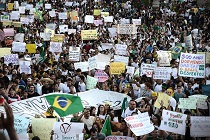
Brazil: Why protests will persist

Though Brazil is a vibrant democracy, grievances over inadequate provision of public services and government overspending will not be resolved quickly due to the political disconnect with the needs of the people. Fernando Veloso blogs about the possible determinants and consequences of the protests

egypt Courtesy: oxfamnovib/Flickr
18 July 2013

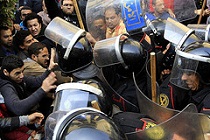
Protests in democracies – patterns and problems

Elections are meant to be a suitable recourse in democracies if citizens feel that the government does not represent them. However, the recent protests in Brazil, Turkey and India show that people feel political classes are too far removed from their every day realities to address their grievances

Morsi Courtesy: European External Action Service/ Flickr
3 July 2013

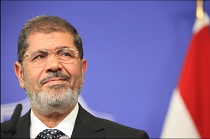
Why Morsi is wrong for his people

The downfall of Egyptian president Mohammad Morsi was partly contributed by those thousands of protesters who disagreed with his view of “Us” and “Them”. Leaders such as Morsi have focused on persecuting those who refuse to share their vision; continuing down this path would have had a negative impact on history