India in a changing global order
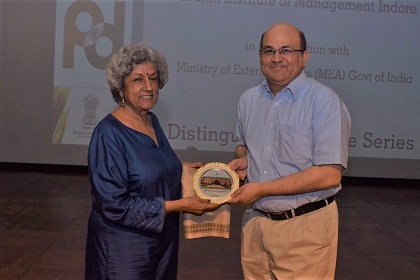
This speech was delivered at ‘Industry Meet 2018’, organised by the Indian Institute of Management, Indore, in collaboration with the Ministry of External Affairs, Government of India, on 7 July 2018

 Courtesy: IIM, Indore
This speech was delivered at ‘Industry Meet 2018’, organised by the Indian Institute of Management, Indore, in collaboration with the Ministry of External Affairs, Government of India, on 7 July 2018
 Courtesy: Gateway House
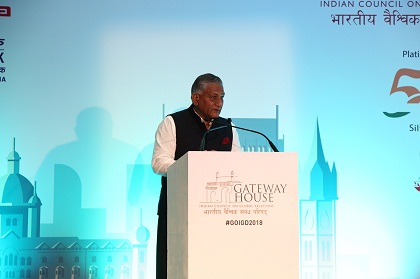
There is expertise available, sometimes in small countries, and is in demand worldwide. Protectionism will affect each member of the global community; it will put brakes on projections for India’s growth. The challenges it presents need to be resolved so that everybody benefits, said Gen. (Dr.) V.K. Singh
 Courtesy: Gateway House
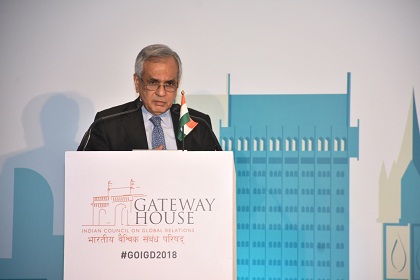
In his speech on, ‘New India at 2022’ – Rajiv Kumar, who has just returned from China after a meeting of the Niti Aayog with China's National Development and Reform Commission, says India is at the cusp of sustained, high, inclusive growth because of much greater formalisation of economic activity in the country today
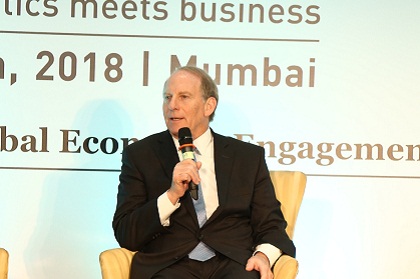
The 44th G7 summit, held in Canada in the first week of June, ended on a tense, disunited note—not unlike the premise of Richard Haass’ 2017 book, The World in Disarray: American Foreign Policy and the Crisis of the Old Order. In this interview, the President of the Council on Foreign Relations discusses the role of international institutions, World Order 2.0 and how India can participate in it
 Courtesy: BBC
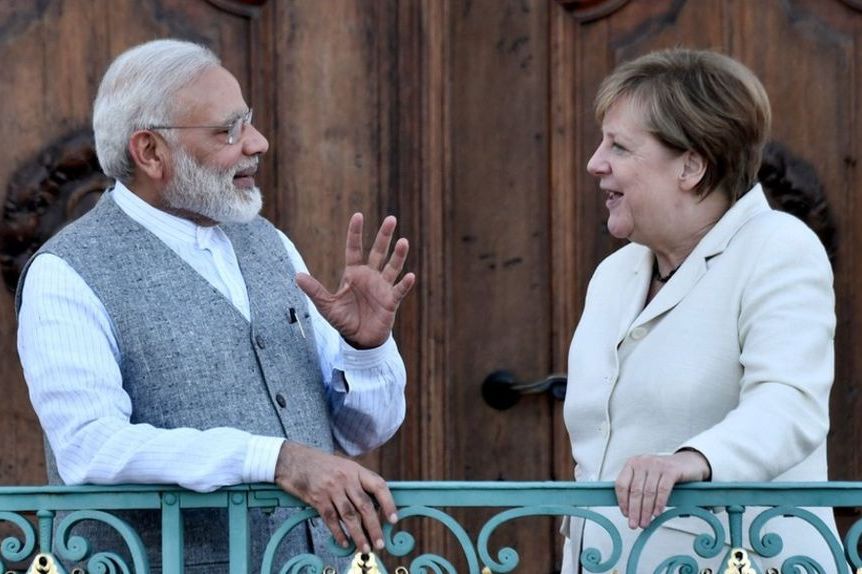
Germany and India have revealed a dual priority for Africa: creating opportunities for prosperity and promoting stability. For both, these are uncharted waters and represents a shift in the locus of global dynamism, away from an Anglo-Saxon world order to a more diverse yet potentially fissiparous one
 Courtesy: Mint
Government ownership of the Indian banking system has brought upon it a host of governance issues in the seven decades since independence: the Non Performing Asset crisis is a symptom of this, and clear indication that the system needs restructuring
 Courtesy: Pinterest
Modern India stands tall on August 15, 2017: over the past year, it has been seen as the fastest growing major country, macroeconomic stability has been re-established, and the GST implemented. Why, then, are so many stressing that India desperately needs reforms to its labour laws to keep the momentum going?
 Courtesy: Gateway House
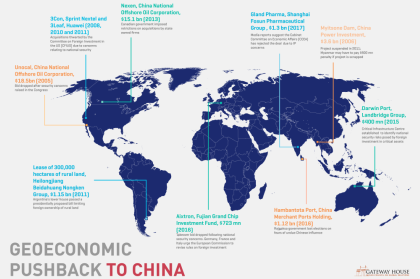
The Indian government may block the acquisition of Gland Pharma by Shanghai Fosun Pharmaceuticals, a move that offers further confirmation of how China’s opaque business model is causing concern worldwide. This infographic shows some high-profile cases of acquisitions by Chinese companies that ran into local opposition
 Courtesy: Pixabay
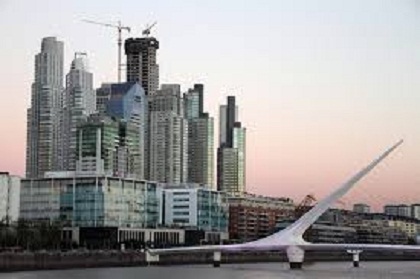
Once a laggard, Argentina is now a rising star in South America. Its economy is recovering, GDP growth is stable and financial reforms have taken hold. In 2018, it will host the presidency of the G20, its first step onto the global stage after over a decade in isolation. With Argentina’s G20 agenda fully aligned with India’s priorities, how can India gain?
 Courtesy: New York Times
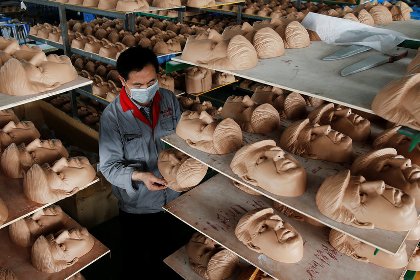
Three epoch-making events in 2016 are continuing to have global repercussions. They were: Brexit, China’s rubbishing of the July verdict of the Permanent Court of Arbitration after it rejected its claims on disputed islands in the South China Sea, and Trump’s election. This article, the prologue to a book-in-progress, The Hinge Year – Geopolitical Dislocations and Dispersals, outlines how these events intersect with transformed geoeconomic realities