Pakistan’s House of Cards
Seema Sirohi, Senior Journalist, wrote an article on 'Pakistan’s House of Cards' for Gateway House. The article was republished on The Diplomat.

 Courtesy: The Diplomat
Seema Sirohi, Senior Journalist, wrote an article on 'Pakistan’s House of Cards' for Gateway House. The article was republished on The Diplomat.
Courtesy: The Diplomat
Sameer Patil, National Security Fellow, Gateway House, wrote an article on 'India: the East has Peace.' The article was republished by The Diplomat.
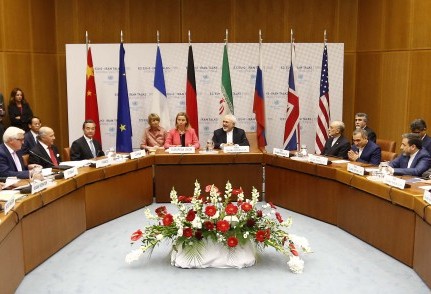 Courtesy: Europe, Integration and Foreign Affairs/Wikipedia
A month after Iran’s milestone nuclear deal with the P5+1 countries, the fine print is being scrutinised by hardliners in Iran and the deal will eventually be prepared for implementation by President Rouhani’s government. India, poised to revitalise bilateral trade, will be among many countries that can now benefit from robust business ties with the Persian Gulf country.
 Courtesy:
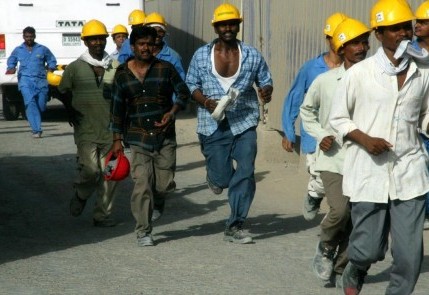
The jobs of 6.5 million Indians working in GCC countries could be at risk due to the fall in global oil prices. Securing the interests of these workers should be on Prime Minister Modi’s agenda when he visits UAE on August 16-17
 Courtesy: Erwin Franzen/Wikimedia
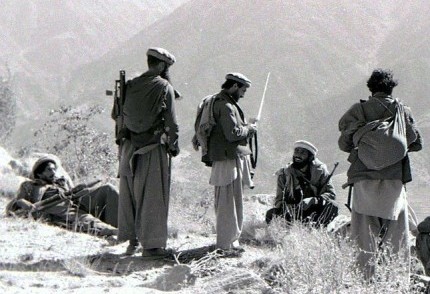
The August attack in Kabul and the now public disclosure of the death of Taliban leader Mullah Omar has caused Afghan President Ashraf Ghani to shift in outlook towards Pakistan. The "Pakistan-led" peace process is now tumbling like a house of cards backed implicitly by the United States.
 Courtesy: Jahnvee/Wordpress
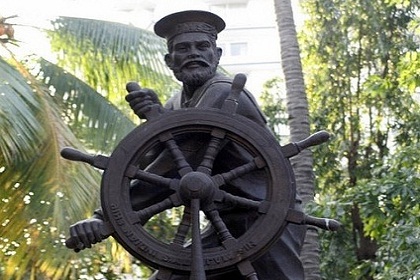
The Royal Indian Naval uprising of 1946 in Bombay was a catalyst that hastened the countdown to India’s Independence on 15 August, 1947.
 Courtesy: Homen Biswas/Wikimedia
As India celebrates its Independence Day, security situation on eastern borders is gradually moving towards stability with experiments in peace making focused on resolving insurgencies and border management. These experiments coupled with the sub-regional economic initiatives potentially put eastern region on the path of prosperity.
 Courtesy: Ram Kumar / Wikipedia
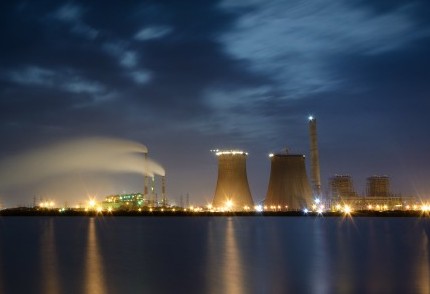
It is time for India to become autonomous on the energy front, even though it is, and will remain, a large importer of petroleum and coal. A combined strategy of diversification by using other forms of energy, and acquisition by buying oil fields, can help India reach this goal
 Courtesy: Xinhua
Rajrishi Singhal, Senior Geoeconomics Fellow, Gateway House, was quoted by Xinhua on his views on 'Spotlight: Forex adjustment of RMB draws worldwide attention'. His quote appeared in various other Chinese publications.
 Courtesy: Sudath Silva/Flickr
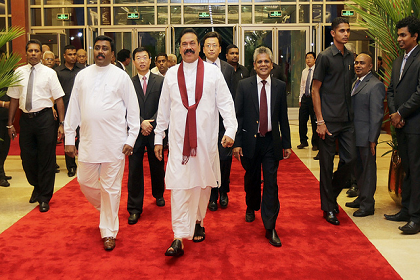
After losing power in January, Mahinda Rajapaksa, former president of Sri Lanka, is trying to re-enter politics by contesting for the prime minister’s seat in the elections on August 17. If he wins, it could destabilise Sri Lanka’s politics and impact relations with India, which had been hit under Rajapaksa’s rule. The future scenario will become clearer by next week.