non violence by Paul Stein flickr Courtesy: United Nations ESCAP
3 October 2013

A force more powerful: Non-violence for our world today

Rajni Bakshi, Senior Gandhi Peace Fellow, Gateway House, delivered a lecture at the ‘International Day of Non-Violence’ at the UN Convention Centre in Thailand, on October 2. In her lecture, she spoke about the significance and the greater potential of non-violent means in achieving the goals of today’s world.
Rouhani UN Courtesy: Office of the President of Iran
30 September 2013

U.S.-Iran: Another victory for diplomacy?

In recent days, both the U.S. and Iran have intimated that they seek a broad improvement in relations, signalling a welcome thaw in bilateral ties. What does this mean for Tehran and Washington, and more importantly, how will this development play out in the West Asian region?

obama manmohan pete souza Courtesy: Pete Souza/Wikimedia Commons
29 September 2013

India-U.S: Consolidating relations

Since 2009, distraction and dysfunction in India and the U.S. resulted in low enthusiasm vis-à-vis bilateral ties. Indian Prime Minister Manmohan Singh, who met U.S. President Barack Obama, prior to the UNGA, had one last chance to salvage India-U.S. ties before the country goes to elections in 2014. Did he succeed?

Ashok chakra by Ashok flicr Courtesy: Ashok/Flickr
27 September 2013

Foreign policy, saat samundar paar

Ahead of the Indian Prime Minister’s meetings with his counterparts from Nepal, Bangladesh and Pakistan on the sidelines of the UNGA, Ambassador Neelam Deo and Manjeet Kripalani blog about why India will only be able to conduct its foreign policy overseas, away from its raucous media and opposition parties

rouhani opbama wikimediacommons Courtesy: WikimediaCommons
26 September 2013

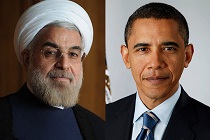
U.S.-Iran thaw is good news for India

The positive advances made by newly-elected Iranian President Hassan Rouhani and U.S. President Barack Obama at the 68th UN General Assembly indicates a strong potential for a thaw in Tehran-Washington relations. However, it will take sincere efforts from both sides to turn this into concrete reality. Can India help?

Indira Lyndon Jerchel wikimediacommons Courtesy: Jerchel/WikimediaCommons
24 September 2013

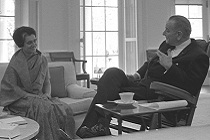
The case for India-Alignment

India often finds itself in the right place at the wrong time or vice versa, as our dogma of non-alignment trumps honest calculations of self-interest in policy-making – rendering it unfavourable. The national interest, hence, calls for selective alignment on some issues with Washington and on others with Beijing

putin assad obama wikimedia Courtesy: WikimediaCommons
20 September 2013

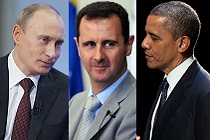
Leadership in the Syrian imbroglio

Can the world aspire to a future where the use of force is not seen as leadership? Can the U.S. and former colonial powers like France and UK, think differently and reject the use of force as first resort? Can China and India craft alternatives?

obama putin pete souza Courtesy: Pete Souza/WikimediaCommons
16 September 2013

Badi Soch: Putin’s Weapon of Mass Diplomacy

This daily column includes Gateway House’s Badi Soch – big thought – of the day’s foreign policy events. This Badi Soch analyses the open letter in The New York Times from Russian President Vladimir Putin to American citizens, arguing against a military strike in Syria.

manmohan obama seema Courtesy: U.S. Embassy New Delhi
11 September 2013

India-U.S: Last chance to salvage ties

Since 2009, distraction and dysfunction in both India and the U.S. have dissipated the enthusiasm for greater bilateral ties. However, Indian Prime Minister Manmohan Singh has one last chance to salvage India-U.S. ties during his visit to the country this month, and he must utilise it appropriately