India Myanmar Courtesy: MEA / Flickr
3 November 2015

Myanmar votes: why it matters

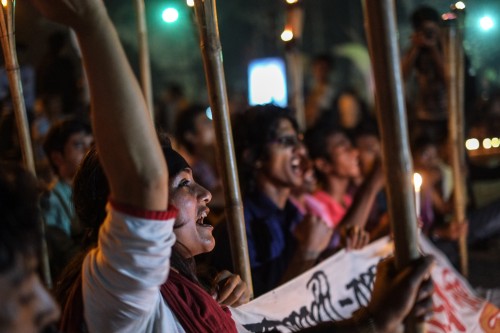
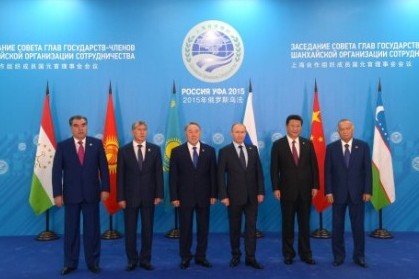
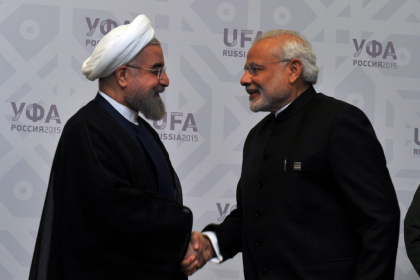
Myanmar is making a transition towards democracy with an election on 8 November, 2015. The elections are expected to be free, if not completely fair. Countries, including China and India are watching the elections keenly with a hope that they will provide for a stable and strong government.

IMG_1540 Courtesy:
29 October 2015

Election Diaries 2015: Bihar

Gateway House's Manjeet Kripalani is on a five-day trip to North Bihar to observe the penultimate days of the election campaigning. She will send a daily diary, in pictures or words, while traversing Bihar; on its progress and its aspirations. And why Bihar is so important to India.

GH_IAFS-Infographic-featured Courtesy:
29 October 2015

A snapshot of India-Africa relations

  Designed by Debarpan Das This infographic was exclusively created for Gateway House: Indian Council on Global Relations. You can read more exclusive content here. For interview requests with the author, or for permission to republish, please contact outreach@gatewayhouse.in. © Read more

OIl Tech Flickr Courtesy: epSos.de / Flickr
29 October 2015

How technology can cap oil prices

Developments in electric vehicles, battery technology, and renewable energy can make oil, coal, nuclear power interchangeable, if the appropriate technology is developed and marketed well.  And since the benefits include a permanent cap on energy prices, India must promote  its own industries in these areas and not remain a passive beneficiary.

IAFS logo Courtesy: IAFS
28 October 2015

India-Africa: realigning policies

The third India-Africa Forum Summit this week in New Delhi may be the right opportunity for the Modi government to formulate a strong Africa policy, and hosting more than 50 heads of African states will give India a chance to deepen the relationship and open access to newer markets.

Why a CSR Act minus sanctions won’t work
27 October 2015

Why a CSR Act minus sanctions won’t work

The lack of effective punishment for companies that fail to meet the 2% CSR requirement is the most notable lacuna in the Indian Companies Act of 2013.  At the same time, mandatory CSR is not a replacement for state social spending, which is a key ingredient for the success of developing nations.

IAFS Courtesy: MEA / Flickr
25 October 2015

Articulating the African voice

The India-Africa Forum Summit in New Delhi this week has not generated much excitement among African media, academia, and think tanks. But it will be useful for the African bloc to have a strategic game-plan about the Africa-India relationship of the future, across such areas as trade and public health

hqdefault Courtesy:
22 October 2015

T20 Opening Statement by Dr. Burak Akçapar, Ambassador of Turkey to India

Turkey's Ambassador to India Dr. Burak Akçapar's opening statement for T20 Mumbai was about the progress of the G20 under Turkey's presidency and G20's growing responsibility to the world. An abridged version of this speech was delivered by Erdal Sabri Ergen at the T20 Mumbai regional consultation meeting on 19 October

Modi Obama Wiki Courtesy: Wikipedia
21 October 2015

Building on India-U.S. meeting points

Modi’s second visit to the U.S. in September indicates a growing partnership in such areas as business, technology, and climate change. Though gaps too remain—for example, India is not part of the TPP and its bid for a UNSC seat is on hold—for now, it is time to consolidate bilateral meeting points, and India can start by simplifying its trade policy and tariff structure

NPH_8640 Courtesy: Gateway House
21 October 2015

T20 Mumbai Keynote by Dr. Rajan

Dr. Raghuram Rajan, Governor, Reserve Bank of India, delivered the keynote address at India's first Think20 (T20) meeting organised by Gateway House with TEPAV, on the "Global Economy and Challenges for Multilateral Policies." He urged emerging markets like India to develop their own capacity to provide new ideas to the global financial system, “hold the pen” that will write a more inclusive agenda, and strengthen global multilateral institutions.