Ufa 2015 in Numbers
16 July 2015

Ufa 2015 in Numbers

The Russian city of Ufa, capital of the Republic of Bashkortostan, played host to three major summits from July 8-10—BRICS, SCO and Russia's Eurasian Economic Union (EEU). Here are some of the characteristics and developments from the summit in numbers
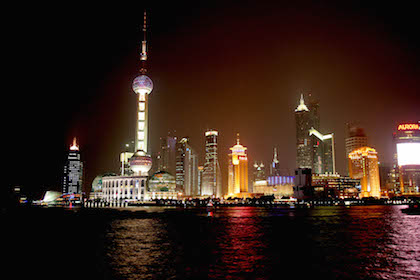
Shanghai_pudong Courtesy: Wikipedia
7 July 2015

Ideas for the NDB’s institutional design

The New Development Bank initiated by BRICS countries can reform and democratise global economic governance. But to reach this goal, in this critical period when the bank is preparing to operationalise, it must formulate an innovative institutional design. This article outlines four guiding principles for such a structure

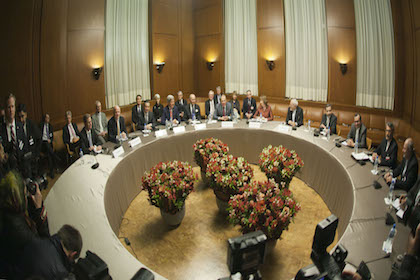
P5+1 Talks With Iran in Geneva, Switzerland Courtesy: U.S. State department/Flickr
6 April 2015

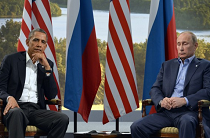
The end of the Iran nuclear journey?

With the EU, Iran, and other entities taking decisive steps on April 2 to ensure a non-nuclear Iran, President Obama must now counter interests in the U.S. that want to stymie the final agreement. But having come this far, and considering the comprehensive benefits of an agreement, all sides are sure to deliver

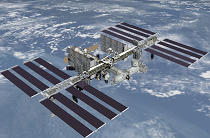
Space station_Nasa Courtesy: nasa.gov
8 December 2014

A divided space again

Space exploration may take a hit as terrestrial politics plays spoilsport with the U.S. government spearheading a sanctions programme against Russia. With China pursuing an independent space programme of its own, Russia’s departure from the effort may mark the beginning of a divided space once again after the Cold War

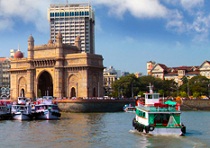
Mumbai Courtesy: wikimedia
7 November 2014

BRICS headquarters in Mumbai

Globally, metropolitan cities are becoming powerful centres that sustain entire countries. In the case of Mumbai, the government can work backwards by stitching the infrastructure and governance together. The tried-and-tested technique is to host an international institution or event. Gateway House argues that Mumbai is most appropriate to be home to the headquarters of BRICS

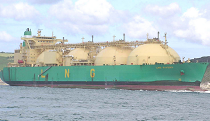
lng Courtesy: wikimedia
24 October 2014

Can cheap oil give peace a chance?

The fall in oil prices is creating new complexities for the energy exporting economies of West Asia. With smaller profits, these countries may not be able to buy off political dissent at home and fund client governments and rebels abroad. Lower energy prices could also mean a renewed chance for peace