Porch__Port_House Courtesy:
5 September 2024

Bombay-Antwerp: A tale of two port cities

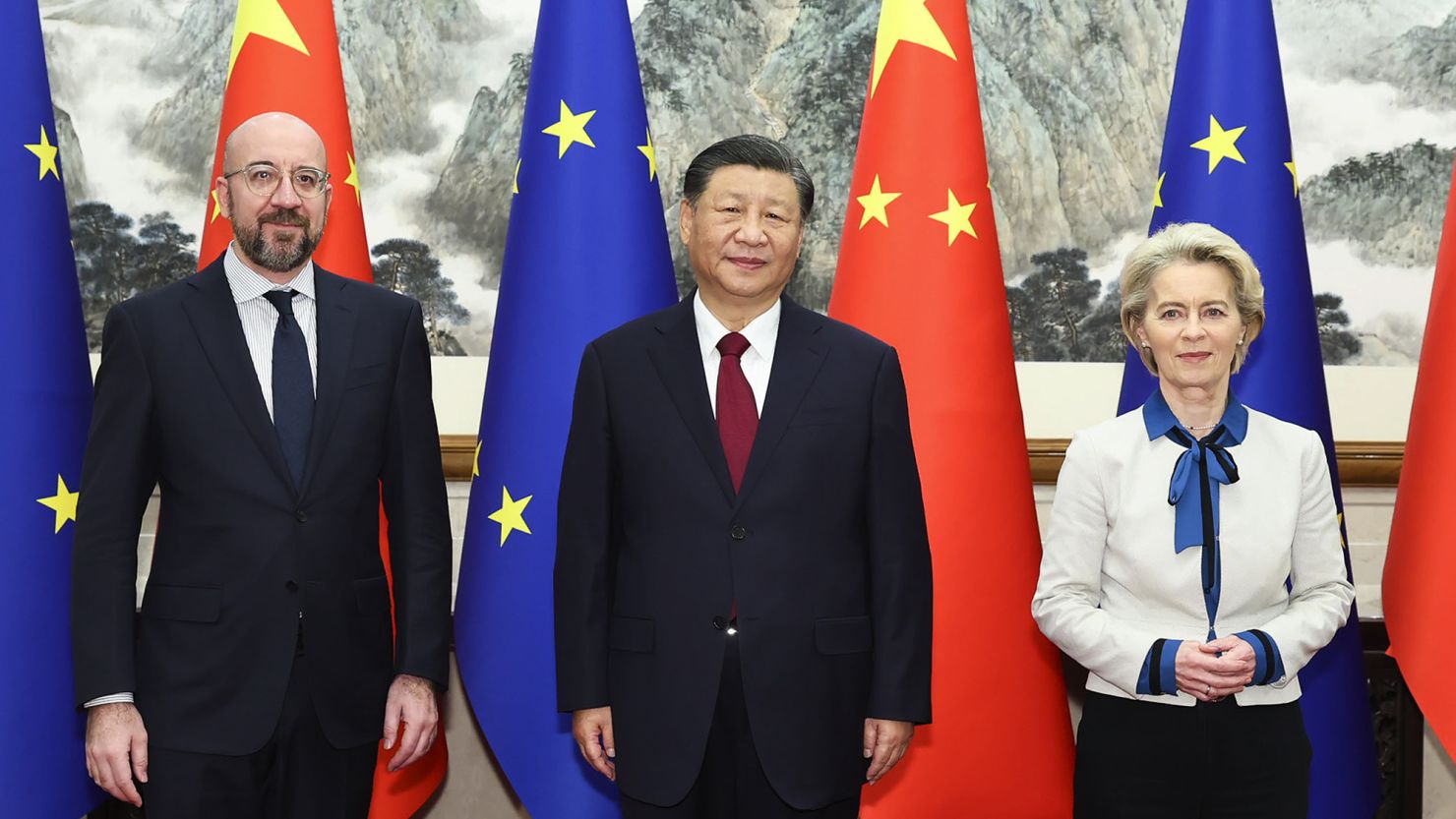
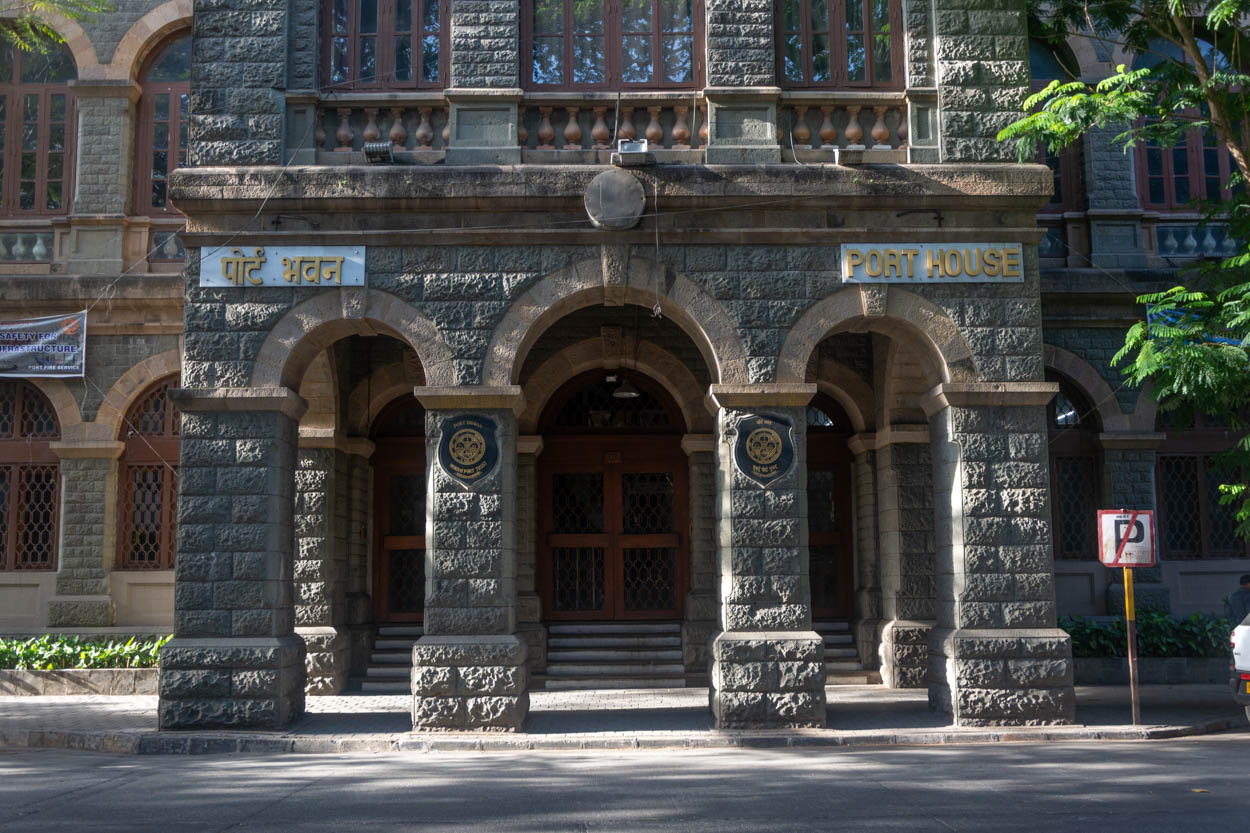
Mumbai and Antwerp share a history from the 18th century. Traffic between the two ports expanded with Belgium among the top three European countries trading with Bombay. After the Second World War, both cities developed a chemical industrial complex adjoining their ports. Today their centuries-old connections have come full circle with an active collaboration between their port authorities.
pm modi warsaw png Courtesy:
22 August 2024

Bombay’s Polish legacy

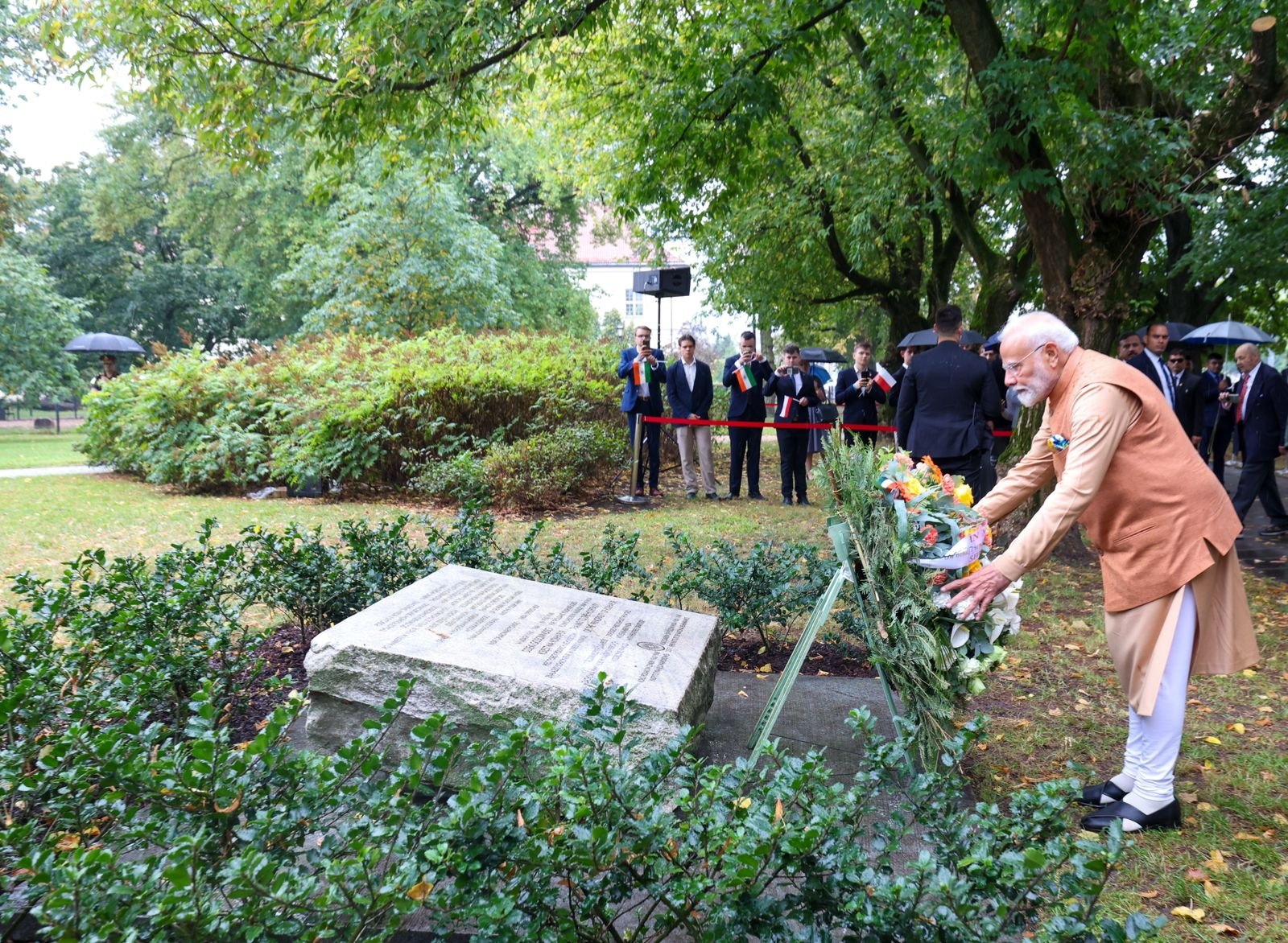
Prime Minister Narendra Modi is on an official two-day visit to Poland, the first by an Indian leader in 45 years, commemorating 70 years of India-Poland diplomatic relations. His trip has emotional significance for Poles, as India hosted thousands of Polish refugees during the Second World War. Bombay was the fulcrum from where the rescue, housing, health, and education of Polish children, women, and elderly were undertaken.

Joint-Statement-following-the-22nd-India-Russia-Annual-Summit Courtesy:
18 July 2024

India-Russia relations march ahead

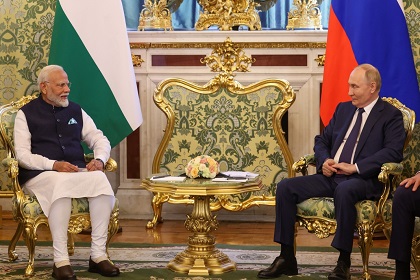
The 22nd India-Russia summit, held in Moscow on July 9 during Prime Minister Modi’s official visit, focused on expanding bilateral economic, energy, cultural and defense cooperation. It indicates the two nations’ commitment to adding substance and new momentum to their relationship. The long-delayed summit, which coincided with the NATO summit in Washington, should be viewed through the wider lens of a multipolar world.

g7-summit-1-6927406-1718390321112 Courtesy:
20 June 2024

BRICS and G7: India’s trapeze act

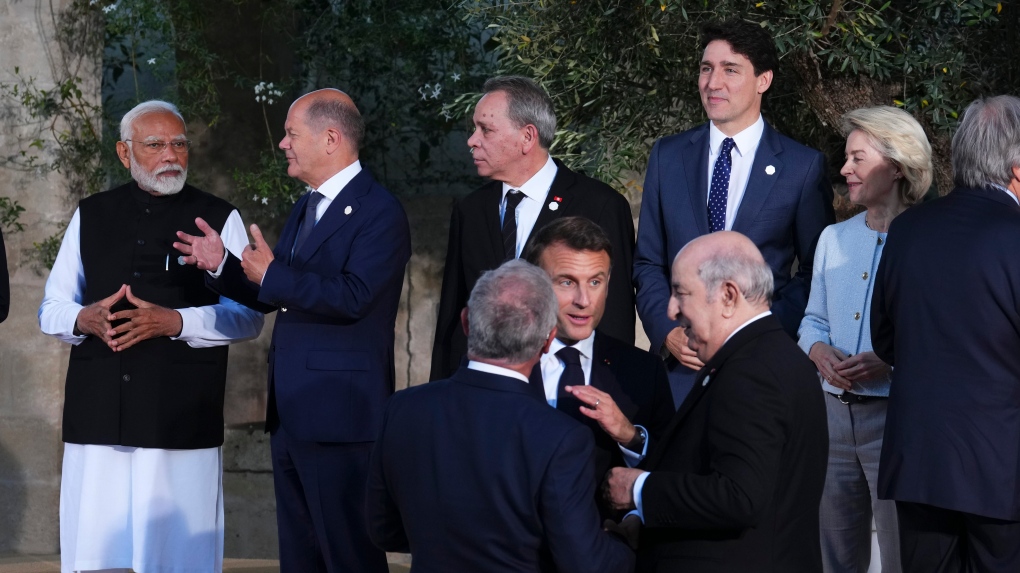
Prime Minister Modi’s third term began with India’s participation at the BRICS Foreign Ministers Meeting in Russia and the Outreach Session of G7 in Italy. India’s participation at both conferences highlighted New Delhi’s continuing preoccupation with great powers. How Indian diplomacy navigates ties between the West and BRICS will shape and decide its strategic autonomy in a multipolar world.

20240603PHT21803_original Courtesy:
13 June 2024

What the EU elections mean

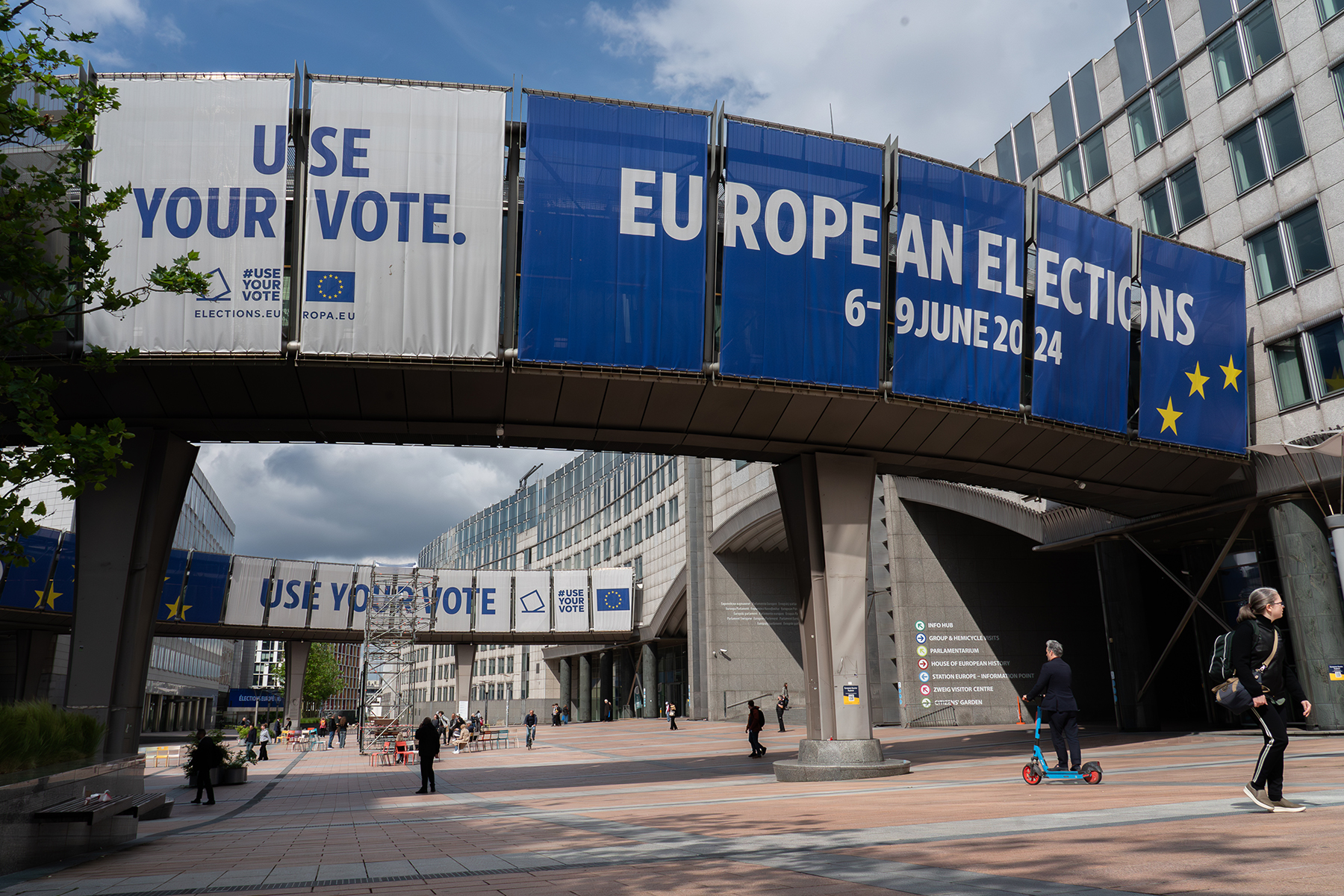
The European Parliament elections have thrown up a win for the right-wing parties – quite a change from the previous centre-left composition. There will be repercussions for the EU and domestic policies of the member countries. Is this election an indication of a future Europe turning right, or is it a reaction to domestic situations individually within states?

1-Handelsbeurs-foto-middenplein Courtesy:
6 June 2024

The global Indian diamantaire network

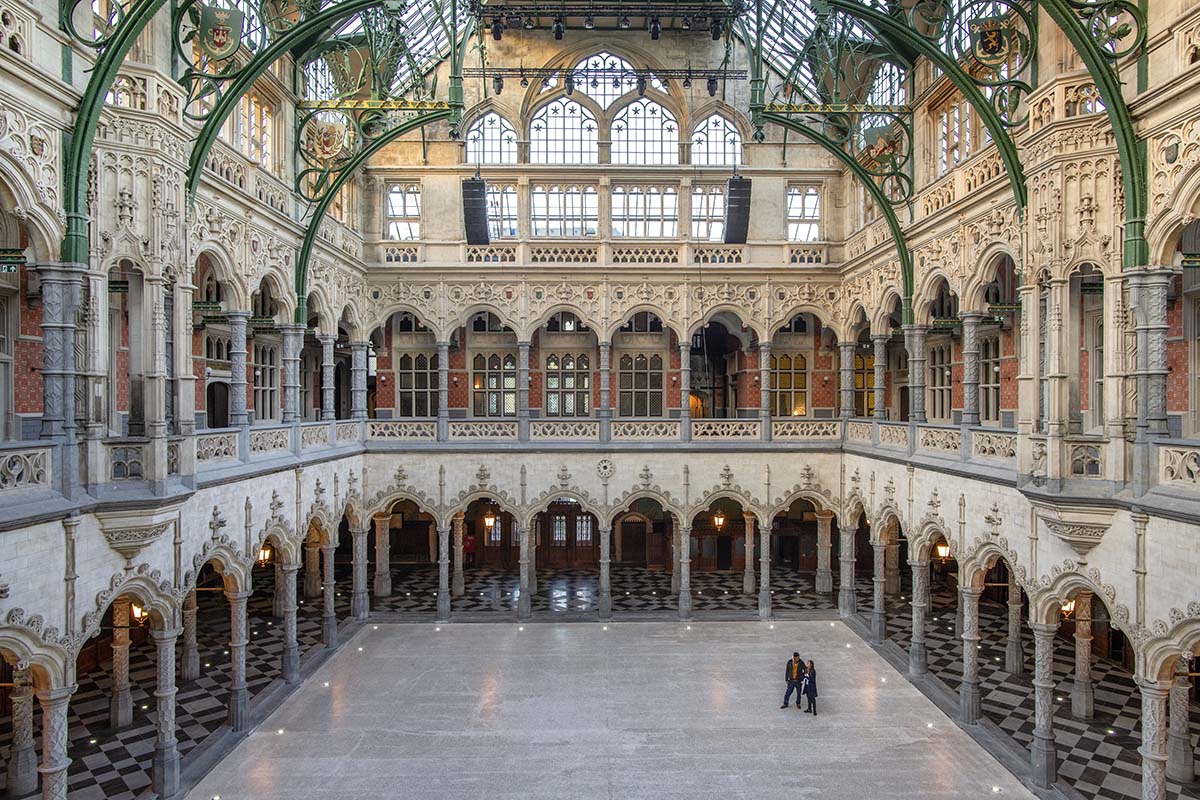
Recent changes in Belgian and EU tax law and regulation have resulted in some Antwerp-based Palanpuri Jain diamond traders shifting base to the newly booming Dubai diamond market. But Antwerp dominates the diamond business for this enterprising community, where 400 families continue to stay and use it as a gateway to the European market for diamonds cut and polished in Surat and Mumbai in India.

231207084123-xi-jinping-eu-leaders-120723 Courtesy:
23 May 2024

Xi’s diplomatic push in Europe

Chinese President Xi Jinping's three-nation tour to France, Serbia and Hungary in early May highlighted China's aim to bolster ties and navigate shifting global power dynamics. The trip's implications are significant for all major powers, including India, which must inject more creativity and energy in building up its strategic partnerships with G7 nations after the elections.

3d25bf28-0a5a-4e50-ad23-96c8659aca34 Courtesy: Bayerischer Rundfunk
16 May 2024

NATO@75

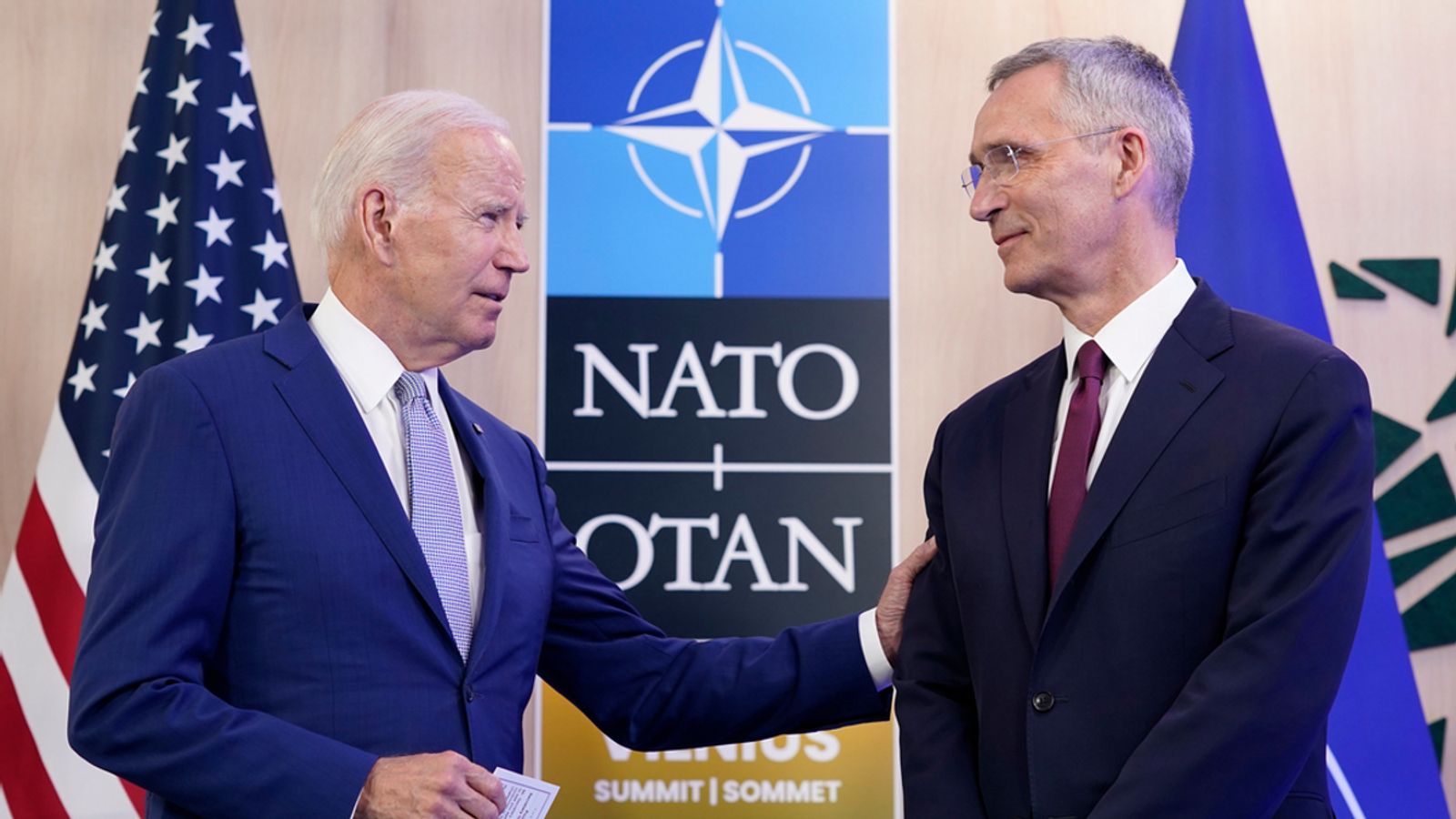
The North Atlantic Treaty Organisation turns 75 this year. It has exceeded its original mandate of a collective defence for Europe and is expanding rapidly. From restraining the rise of Russia, it is now seeking non-NATO allies in Asia who wish to restrain China. This requires a nimbler, more dynamic alliance. Can NATO respond to the transformation?

Photo 1 Courtesy: Suresh Mehta and 'Fragrant Folios: The Palanpur Story' by Jitendra C. Mehta and Amrit Gangar.
9 May 2024

A century of Bombay-Antwerp diamond trade

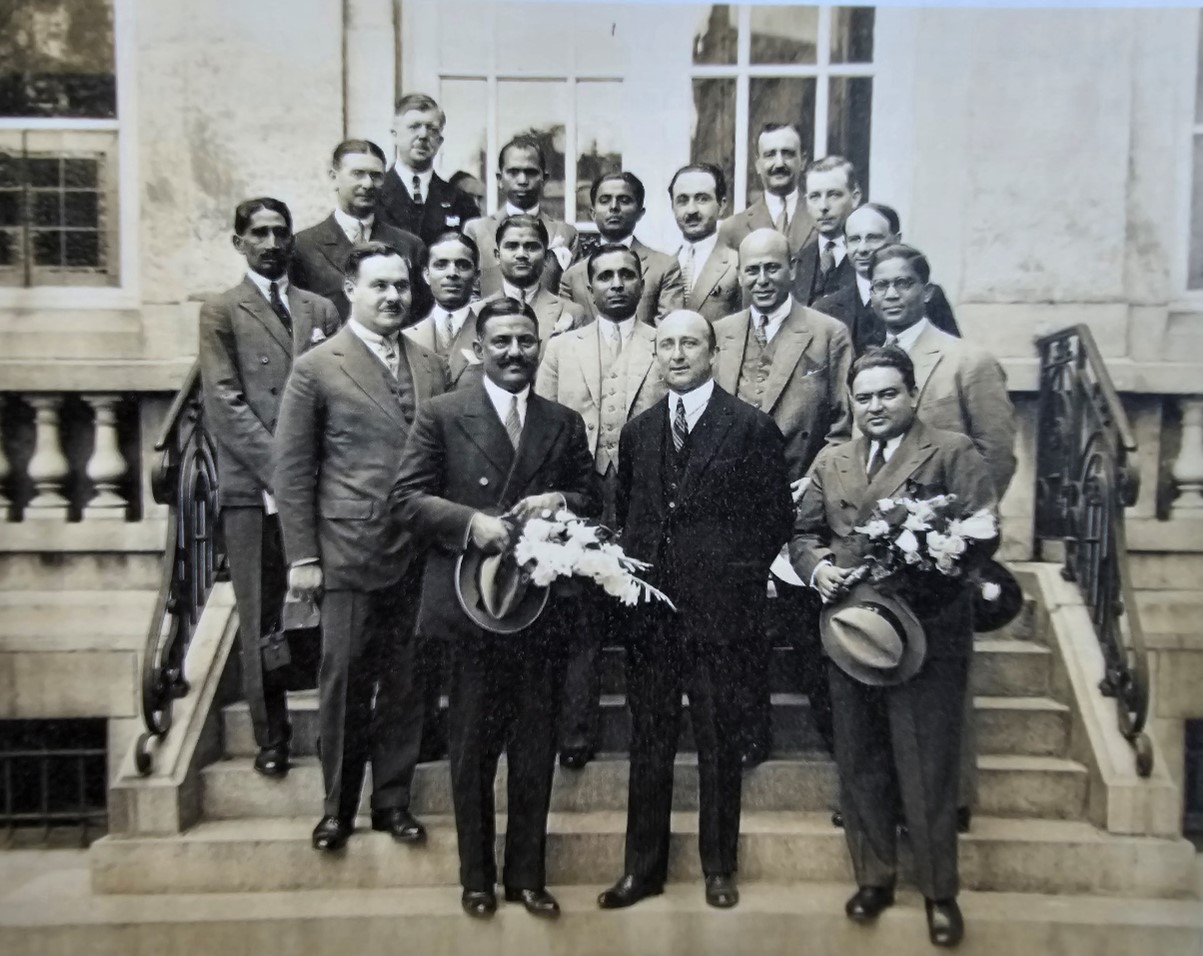
In Antwerp's global diamond exchanges that trade in rough and polished stones, the Gujarati-speaking Palanpuri Jain merchants are known as intrepid businessmen with a reputation for keeping their word. These traits has enabled them to live and work amongst Hassidic Jewish diamantaires and cutters-polishers who dominated this market. They carved a niche for themselves in small diamonds. Bombay played a key role in their success.