The Irony of American Strategy
A decade ago, the U.S. immersed itself in the greater Middle East with its wars on Afghanistan and Iraq. Will the current economic scenario force it to turn away from this region?

 Courtesy: Foreign Affairs
A decade ago, the U.S. immersed itself in the greater Middle East with its wars on Afghanistan and Iraq. Will the current economic scenario force it to turn away from this region?
 Courtesy: Pete Souza/The White House
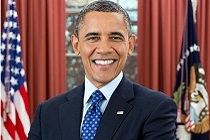
The announcement of the Pacific pivot by the U.S. in 2001 has led to several nations making bold political moves. However, the U.S. isn’t yet ready to be a regional protector against China. What does Washington have to do to prepare itself for the Pivot?
 Courtesy:
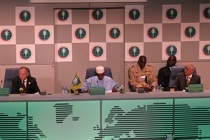
India’s relations with Islamic nations, many of which are members of the Organisation of Islamic Cooperation (OIC), have become even more prolific over the last decade. While India does not visualise becoming a member of a religious international body, many reasons militate against our formally joining the OIC.
 Courtesy: U.S. Department of Defense
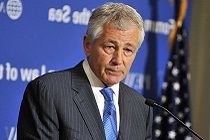
The nomination of Chuck Hagel for the post of the U.S. Defense Secretary has garnered severe criticism from Israel and the Jewish lobby. Given the geopolitical changes unfolding in the Middle East and the rest of Asia, what will Hagel’s assumption of office mean for Israel, India and the rest of the world?
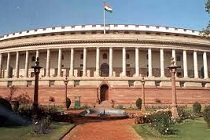 Courtesy: Shwkyn231/Flickr
The year 2012 has been a busy one for foreign policy: from escalating disputes in the South China Sea to alternate financial instruments from the emerging world. India’s foreign policy too has its shown strengths and weaknesses. We present our top foreign policy Hotspots, Sweet spots and Blind spots for 2012.
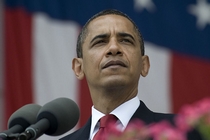 Courtesy: U.S. Navy
U.S. President Barack Obama will certainly have the benefit of continuity in his second term, but he has a range of impending crises to address immediately - be it to avert the so-called fiscal cliff before the end of the year when automatic cuts kick in or plan for the military drawdown from Afghanistan.
 Courtesy: Isafmedia/Flickr
As the NATO troops prepare to pull out of Afghanistan in 2014, India is already positioned to take on a larger, pro-active role, which can radically alter the balance of power in South Asia. However, what will determine the future of security in the region, is how India and Afghanistan deal with Pakistan.
 Courtesy: VOA/WikimediaCommons
In a recent speech, U.S. Presidential candidate Mitt Romney criticised incumbent President Barack Obama's foreign policies, and called for U.S. supremacy. However, it seems apparent that Romney wouldn’t usher in a foreign policy revolution if elected.
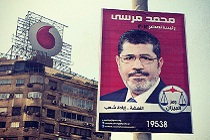 Courtesy: gr33ndata/Flickr
The involvement of Islamists in democratic movements is usually dismissed as a mere ruse to attain political power. However, evidence suggests that people in Muslim-majority democracies support Islamist groups which challenge a dishonest government, rather than those who seek to establish Islamic autocracy.
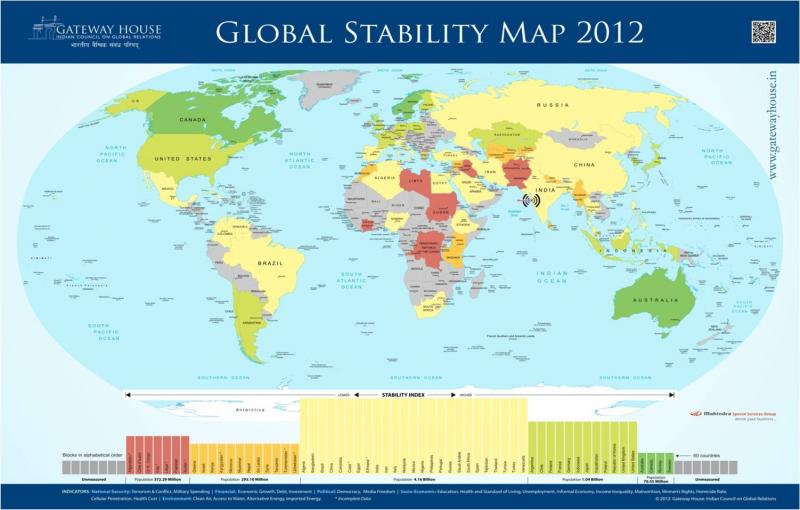 Courtesy: Gateway House
Gateway House prepared a Global Stability Map, using 20 differing indicators, to analyze the stability of 60 countries around the world. Using criteria that are important to the emerging economies of the world, the map provides an Indian perspective of the world today.