New Emerging Global Trends
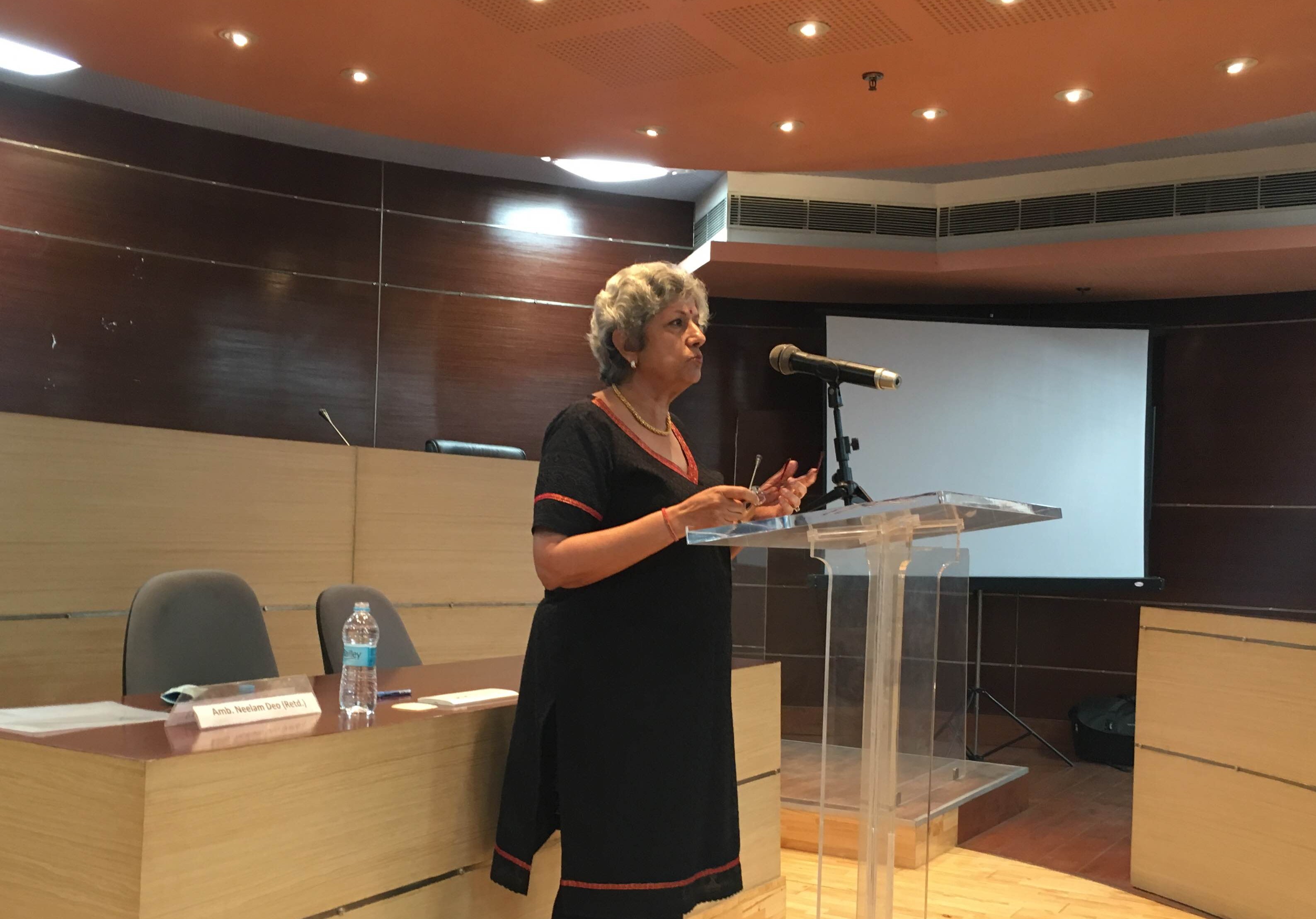
Ambassador Neelam Deo, Director, Gateway House delivered a lecture at the West Bengal National University of Juridical Sciences, Kolkata on 30 January, 2016.

 Courtesy:
Ambassador Neelam Deo, Director, Gateway House delivered a lecture at the West Bengal National University of Juridical Sciences, Kolkata on 30 January, 2016.
 Courtesy: Flickr / Foreign and Commonwealth Office
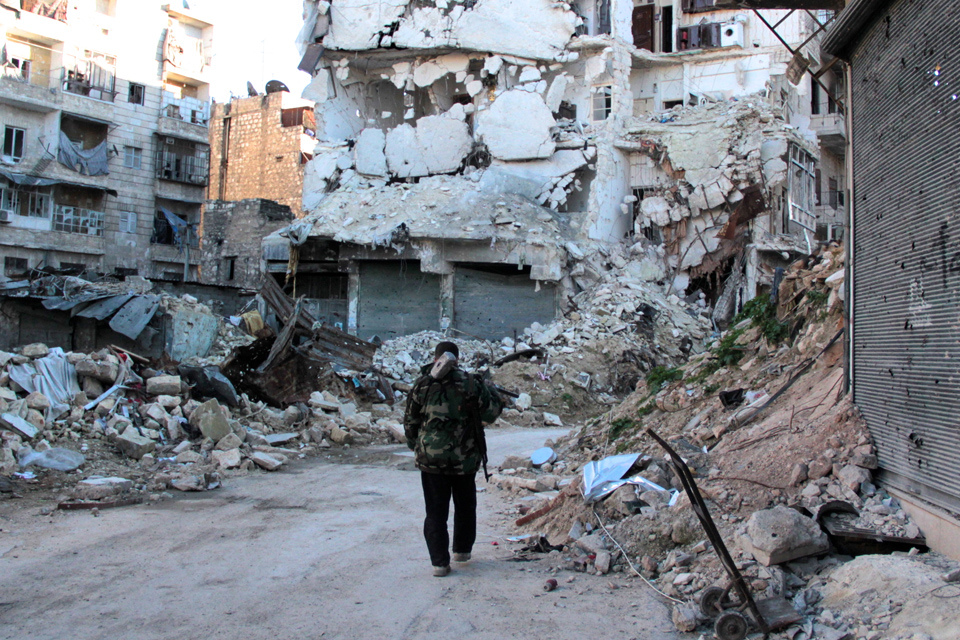
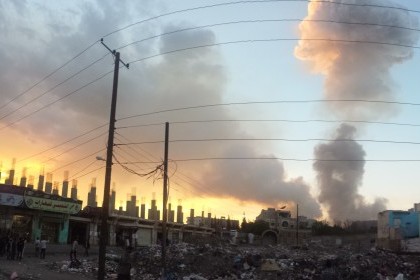
By executing an influential Shia cleric among 47 other prisoners, Saudi Arabia has increased the possibility of prolonging conflict in West Asia. The country’s actions have stirred up its differences with Iran, thereby diminishing the possibility of finding political solutions to the civil wars in Syria and Yemen.
 Courtesy: MEA India / Flickr
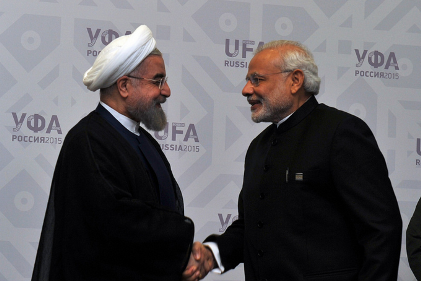
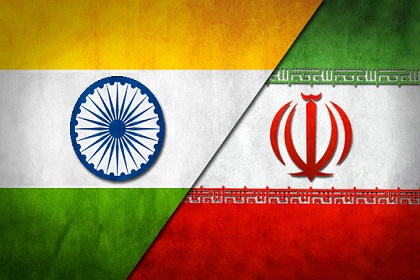
India finds itself in the long queue of global economic powerhouses that wish to avail the new opening between Iran and the international community. But India’s proximity and mutual interests of the two countries indicates that the time is ripe for a fundamentally new beginning in Tehran-Delhi relations.
 Courtesy: Wikipedia
On 14 December, Saudi Arabia announced the formation of an anti-terrorism coalition of 34 Islamic countries. But with key potential partners such as Algeria, Lebanon, and Pakistan refusing to join, the hastily-assembled group has put Saudi credibility in the spotlight instead of deflecting western criticism of the kingdom’s inaction against Sunni jihadism
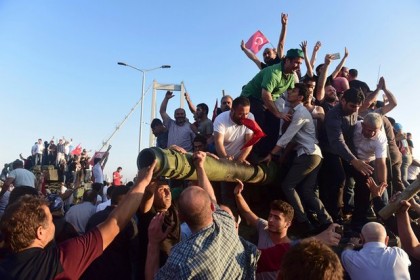
The unfolding coup in Turkey demonstrates the instability that the nation has fallen into. Terror attacks like the one in Istanbul airport was the most high profile targeting of Turkey by ISIS and other extremists. This is the outcome of Turkey’s crackdown on internal popular protest, on allowing itself to become the highway for extremists, refugees and weapons to disparate terrorist groups and being a willing proxy for the major powers contending in Syria. The increasing frequency of the attacks in Turkey reveals a similar pathology to Pakistan, which is now in a low-grade civil war. Is Turkey going down the path of Pakistan?
 Courtesy: Victor Dubreuil / Wikipedia
The GCC finds itself engulfed by a perfect storm – due to the oil price fall and the re-emergence of Iran on the world scene. While the GCC is forced to undertake politically challenging reforms and confront the regional challenge of Iran, there lies a great opportunity for India to strengthen their economic as well as security ties.
 Courtesy: Risingpowersinitiative.org
Iran has emerged on to the world stage after 36 years of isolation. India must double up its diplomacy and commercial engagement with Iran, and move boldly beyond the curtain of ‘civilisational’ ties. Time to put that natural advantage to good commercial use through a vigorous private sector engagement with Tehran.
 Courtesy:
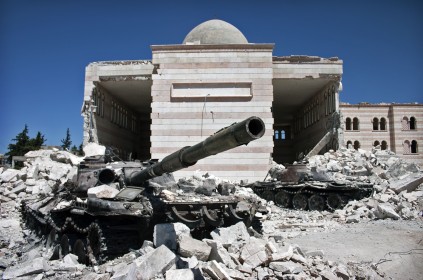
The U.S.-led bombings on ISIS locations have France and the British as its partners. On the other hand is Russia -- targeting the Islamic State but with a primary aim of keeping Assad in power. Is this then World War III?
 Courtesy: Dawn Endico
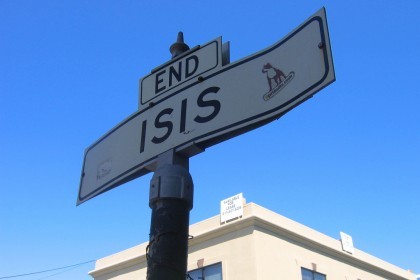
Today ISIS is the gravest international security threat. To defeat ISIS, the world should pay heed to India’s experience of the need to isolate state sponsors of terrorism. Ultimately, only when Saudi Arabia acknowledges the danger to its own survival from past policies of alleged support to extremist groups, can it be a reliable partner in the fight against ISIS.
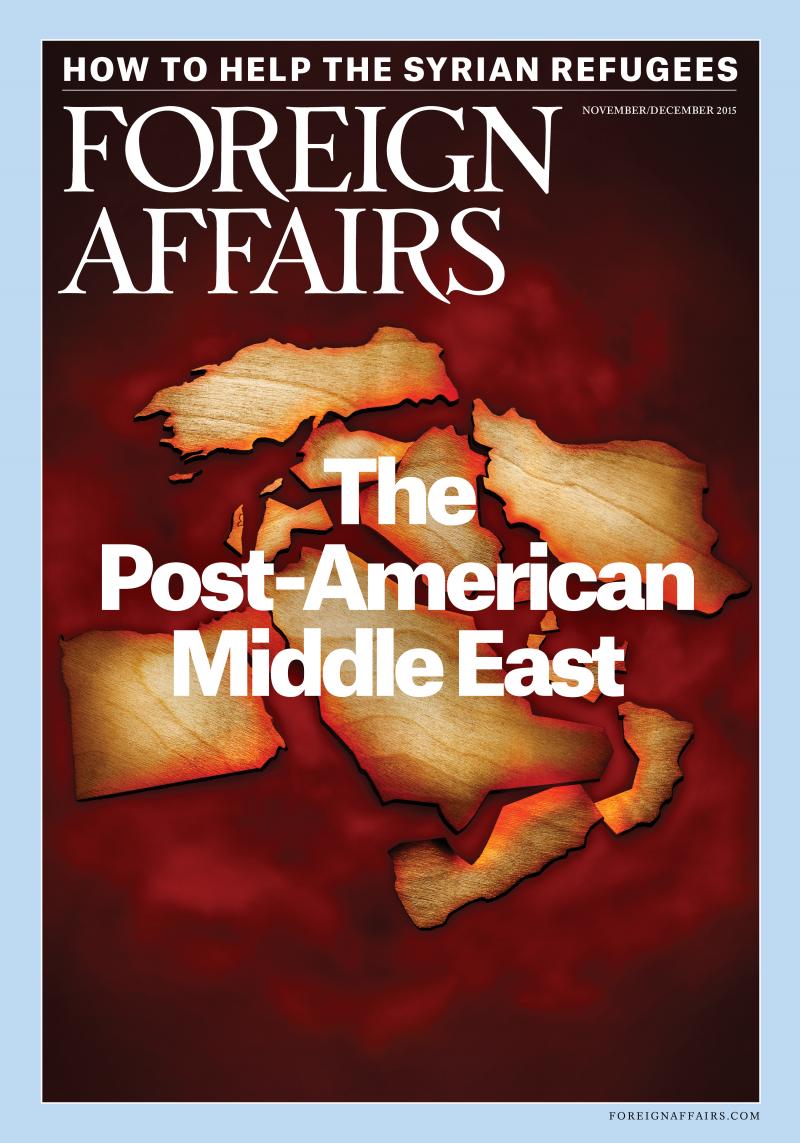 Courtesy: Foreign Affairs
As Iran enters its new economic status quo, the question arises as to whether the nation will realise its potential by opening itself up to the world, or whether the elite will stifle global engagement.