India and the South China Sea
China's belligerence in the South China Sea is causing anxiety in India. India needs to strengthen its stance on the situation to maintain preponderance in the region which holds great significance to its trade.

 Courtesy: Wikimedia commons
China's belligerence in the South China Sea is causing anxiety in India. India needs to strengthen its stance on the situation to maintain preponderance in the region which holds great significance to its trade.
 Courtesy: Peter Craven/Wikipedia
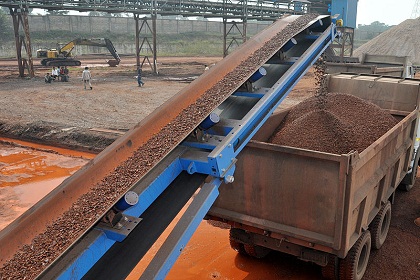
A distinguished Chinese scholar, speaking at a BRICS forum in Moscow recently, ascribed the growing India-China trade deficit to India’s ban on iron exports. While this contention is partially true, the data does not validate this argument, and nor does his view account for the other reasons for the deficit
 Courtesy: Alibaba, Xiaomi, Wechat
Less than two years ago most Indians would struggle to name a Chinese company. Fast forward to the present, Chinese smartphone company Xiaomi is on the tips of everyone’s tongue. Chinese internet giants Alibaba, Tencent and Xiaomi have emerged as investors and major players in India’s fast growing e-commerce and internet space. Their emergence marks a new and exciting area of cooperation and engagement between India and China
 Courtesy:
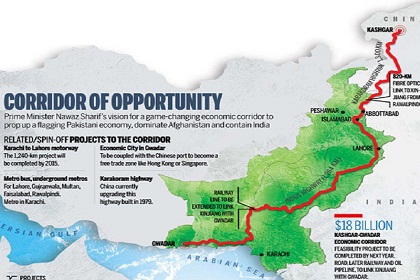
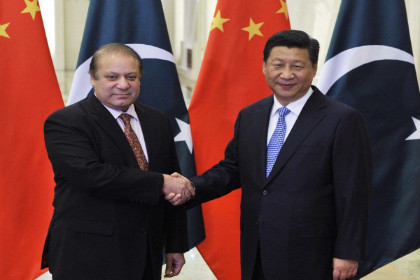
While China will seek India’s cooperation on its ambitious ‘One Belt, One Road’ project during Prime Minister Modi’s visit this week, Indian policy makers must soon articulate a definite stand on this transnational corridor by bridging the country’s security concerns and the benefits of such an engagement with China.
 Courtesy:
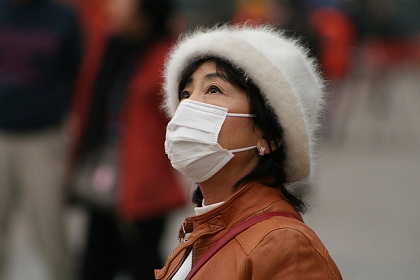
The idea that Asia can follow the West’s ‘get dirty, get rich, get clean’ strategy grows more absurd with every year. Nor can Asian political leaders say the region can’t afford the cost of environmental progress. It is now clear that India and other countries cannot afford the skyrocketing cost of environmental degradation.
 Courtesy: Xinhua
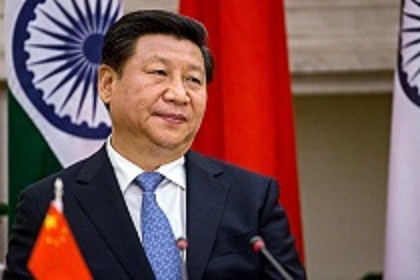
With a massive, yet demanding middle class, the Chinese Communist Party needs a reliable source of cheap labor to continue to allow Chinese nationals to enjoy mass-produced daily products. step forward India, mass producer.
Gateway House interviewed Jabin Jacob, assistant director and fellow at the Institute for China Studies, New Delhi, on the relationship between China and Pakistan, the China-Pakistan Economic Corridor(CPEC) as well as the China's one belt-one road initiative.
 Courtesy: YouTube
In the past week two documentaries that went viral in China and India were banned. In China, a documentary about pollution. In India, a documentary about the Nirbhaya rape incident in 2012. India's decision to ban the film suggests that the government's approach to censorship is starting to look more like China's
 Courtesy: MEA/Government of India
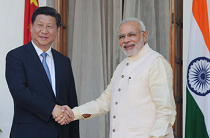
2015 is likely to begin with India-China boundary talks in New Delhi, and strategic analysts believe it can be a unique window—arising out of the new political dynamism in both countries—to resolve the dispute. Besides, if Modi visits China in 2015, it can expedite investments—also making it a big year for bilateral ties
 Courtesy: Ministry of External Affairs/GoI
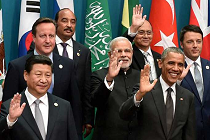
The style and substance of the foreign policies of Narendra Modi’s six-month-old government have been remarkably different from those of his predecessors. Gateway House examines the changes in India’s equations with three critical countries—the US, China and Pakistan—and outlines a foreign policy forecast for 2015