Book review: the rise of China
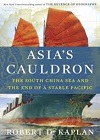
‘Asia’s Cauldron: The South China Sea and the End of a Stable Pacific’ is a pragmatic narrative by Robert D. Kaplan of the receding power of the U.S. and China’s growing dominance

 Courtesy: Random House
‘Asia’s Cauldron: The South China Sea and the End of a Stable Pacific’ is a pragmatic narrative by Robert D. Kaplan of the receding power of the U.S. and China’s growing dominance
 Courtesy: RT.com
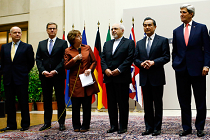
Talks are on in Vienna between Iran and the P5+1 to reach a settlement on Iran’s nuclear programme. The self-imposed deadline expires on July 20. However, with the U.S. insisting that Iran cut back on operational centrifuges any possibility of a comprehensive solution in the near future seems remote
 Courtesy: Jnn13/Wikimedia Commons
The U.S. has not yet appointed a new ambassador to India. But this absence of urgency is less a ‘signal’ to India and more a result of factors such as a backlog of appointments awaiting approval in the Senate and candidates unwilling to accept the post only for the remaining period of the Obama administration
 Courtesy: dimoqrati.info
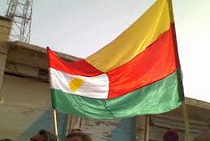
Recent geopolitical shifts has given birth to the very real possibility of a fractured Iraq. The on-going civil war in Syria and an unstable Iraq has renewed the call for a Kurdish nationhood. Although presented with a historic opportunity, rebel factions and authoritarian governments still present a hurdle to the quest for an autonomous Kurdish region
 Courtesy: laprensa
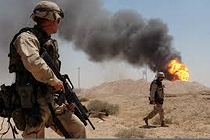
Over two years after American troops left Iraqi soil, the rise of the brutal ISIS is forcing a war weary U.S.to contemplate a return to the country. Amid plummeting approval ratings and divided opinions at home, President Barack Obama will have to carefully weigh the implications of a disintegrated Iraq on the U.S. and indeed, the world.
Professor Madhav Nalapat, the director of the School of Geopolitics at Manipal University talks of the Wahhabi winter sweeping West Asia. In an interview to Manjeet Kripalani, Co-founder, Gateway House, he speaks of the need to include regional experts and religious leaders to deal with its impact on India
 Courtesy: MEA/Indian Embassy Thimphu
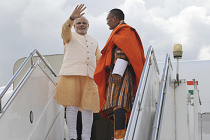
Narendra Modi’s first month in office has seen him deftly handle India’s neighbours, accept an invitation to visit Washington, enhance relations with Bhutan and accord due importance to China. In the same manner, Modi will also have to move quickly and firmly to reassure foreign investors of the dependability of India’s fiscal environment
 Courtesy: wikimediacommons
Even small Indian IT companies have managed to succeed in the Latin American market. Understanding the local culture is one of the main keys to success as illustrated in the case of Mann India Technologies, which was one of the earliest Indian entrants in the Latin American IT market.
 Courtesy: India.com
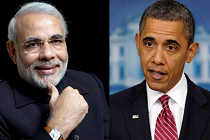
As the U.S. prepares to leave Afghanistan and refocus on Europe, geopolitical configurations are set to change. India’s new prime minister Narendra Modi’s pragmatism—evident in his acceptance this week of Obama’s invitation to visit the U.S.—will be an asset in rebuilding bilateral ties in this evolving global order
 Courtesy: www.narendramodi.in
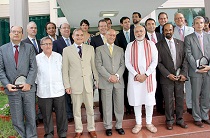
Gateway House outlines a renewed agenda for India’s relationship with Latin America. If the new government led by Narendra Modi takes these policy steps, centred on economic diplomacy, India can benefit from Latin America’s huge natural resources, increasingly assertive foreign policy, and significant economic growth