NATO Courtesy: NATO/Flickr
21 July 2016

Brexit, NATO, EU: emerging dichotomies

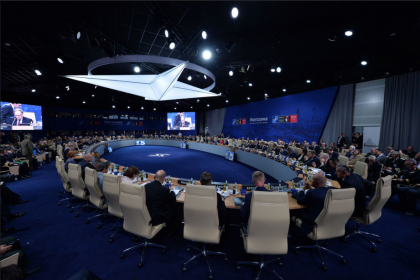
In the aftermath of Brexit, the recently concluded NATO Summit highlighted the emerging asymmetry between NATO and the EU on their respective policy positions towards Russia. Has the expansion of NATO and the EU to absorb Eastern Europe, and the consequent large migration flows, been responsible for the visible cracks within the Europe?
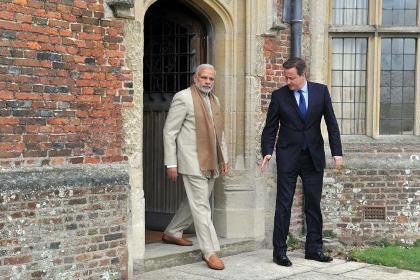
1023-modi-cameron-mea Courtesy: MEA / Flickr
30 June 2016

The dislocations of Brexit: can India gain?

The result of the Brexit referendum is nothing less than a body blow to Bretton Woods organisations, International Monetary Fund-North Atlantic Treaty Organisation (NATO)-World Bank, that originated at the end of the Second World War. The possibility of an Asian century becomes more feasible, if India can be nimble enough to make the most of the opportunity which has presented itself in Europe.

_89083411_89083410 Courtesy: BBC
26 May 2016

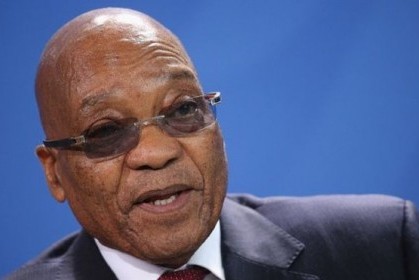
International credibility in a domestic crisis

At present, South Africa finds itself charting political and economic policy uncertainties. This is not to suggest that the domestic political crisis will see different trajectories unfolding with regard to its BRICS/IBSA engagements, or on a broader foreign policy path, but it will have repercussions at the international level, in terms of investor confidence, credit ratings, and currency volatility. Pretoria will face constant pressure to be seen as a credible actor, especially when it comes to its African identity.

BRICS_heads_of_state_and_government_hold_hands_ahead_of_the_2014_G-20_summit_in_Brisbane,_Australia_(Agencia_Brasil) Courtesy: Roberto Stuckert Filho / Wikipedia
28 April 2016

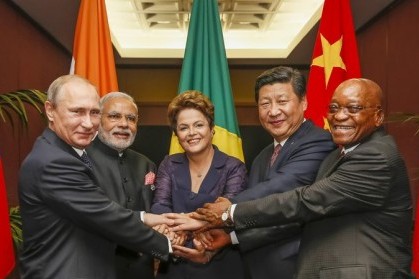
Whither BRICS?

Although the BRICS caravan is passing through uncertain times, its major leaders appear determined to continue the journey as doing so is in the collective interest. The world is likely to hear more - not less - about BRICS in the foreseeable future.

washington-2010 Courtesy: Whitehouse.gov
29 March 2016

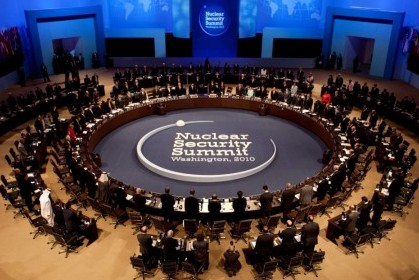
Developing global nuclear security

Once the fourth and final global Nuclear Security Summit is held this week in Washington, D.C., the challenge will primarily be for bureaucrats to continue working and keep leaders engaged on nuclear security. Inertia on this issue, especially when there is growing intelligence on security breaches, could be deadly.

Azaz,_Syria Courtesy: Wikipedia
9 March 2016

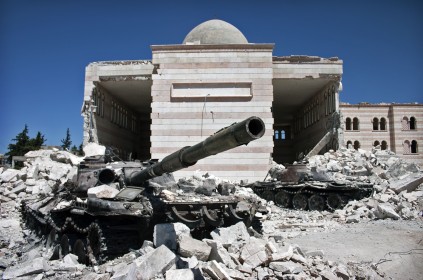
India and the Syrian quagmire

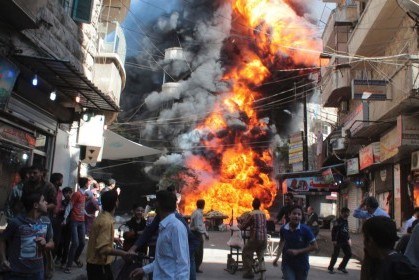
With a cessation of hostilities been brokered by Russia and the United States, the conflict in Syria has entered a tense pause. India has had a bystander attitude to the conflict in Syria. However, with the truce expected to be short, does India have the incentive or the option to depart from its current position, and deepen its engagement in Syria?

CyberAttacks_Samir Courtesy: Christiaan Colen / Flickr
18 February 2016

Geopolitical rivalries in cyberspace

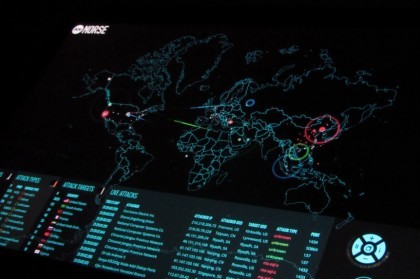
The recent cyber attack on Ukraine’s power grids is indicative of the cyber space becoming the most useful tool for perpetuating geopolitical rivalries. Many countries are rapidly expanding their offensive cyber capabilities, and it appears the militarisation of cyber space is complete.

maxresdefault Courtesy: Youtube
4 February 2016

The world in 2016

The world has witnessed a number of upheavals in the past few years, precipitating widespread global political turbulence stemming from geo-economic instability. Over the next couple of months, Gateway House experts will attempt to deconstruct these events and how India and its foreign policy can work to take advantage of these trends.

stuenkel Courtesy: Lexington Books
21 December 2015

The BRICS and the future of global order

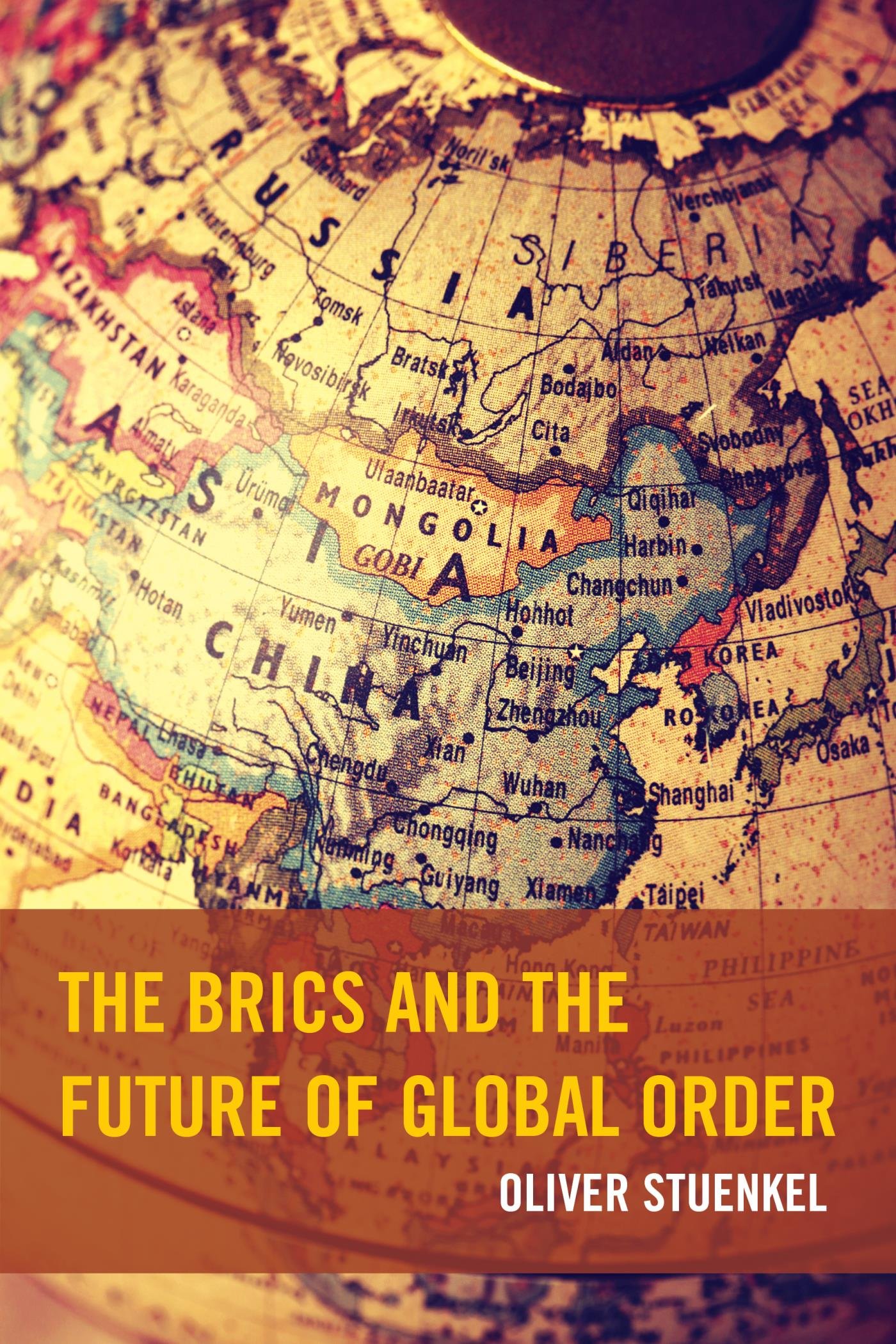
Oliver Stuenkel's book provides a well-researched account of the evolution of BRICS – starting from the forum’s inception in 2009 to the present – and the interactions between Brazil, Russia, India, China and South Africa on global issues.