How Iranians see Trump’s hit to the Iran Deal
Scrapping the JCPOA will badly bruise Iran’s economy, citizens and foreign relations; it will have an impact on the U.S.’ allies too

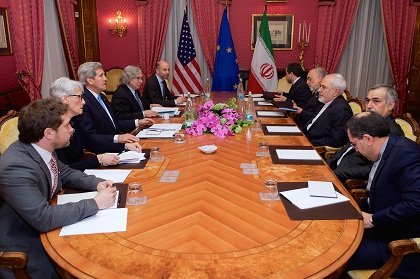 Courtesy: U.S. Department of State/ Flickr
Scrapping the JCPOA will badly bruise Iran’s economy, citizens and foreign relations; it will have an impact on the U.S.’ allies too
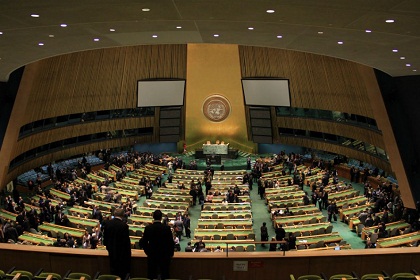 Courtesy: IB Times
The era of globalisation is drawing to a close and a new one is emerging—an era of bilateralism over globalisation, of domestic over foreign focus, and reality-based policy-making
 Courtesy: Whitehouse.gov
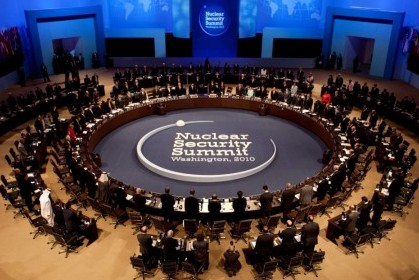
Once the fourth and final global Nuclear Security Summit is held this week in Washington, D.C., the challenge will primarily be for bureaucrats to continue working and keep leaders engaged on nuclear security. Inertia on this issue, especially when there is growing intelligence on security breaches, could be deadly.
 Courtesy: openDemocracy / Flickr
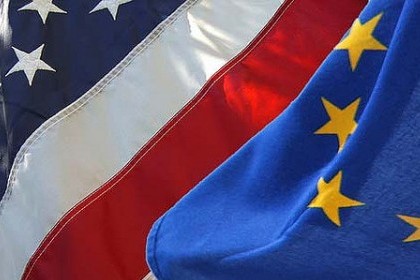
If the Transatlantic Trade and Investment Partnership moves ahead after further negotiations were held in July, Indian exporters could be disadvantaged. Instead, India must be ready to use the further opening up of huge markets across the Atlantic, and adopt trade policies that mix regionalism and multilateralism.
Neelam Deo, Director, Gateway House, talks about the significance of the position taken by NATO member countries at the recent summit in Wales. She says the increasingly acrimonious standoff between the West and Russia over Ukraine, and the stance on the Islamic State has implications for India.
This daily column includes Gateway House’s Badi Soch – big thought – of the day’s foreign policy events. Today’s focus is on the negotiations for a free trade agreement between the E.U. and the U.S.
 Courtesy: trendscout::/Flickr
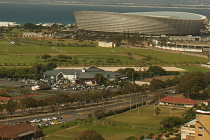
All the major economic forces in the world have come together in Africa in a new version of the Great Game. The competition for the continent’s resources will ultimately harm Africa unless Africa uses this opportunity to its advantage and to address its own serious problems.
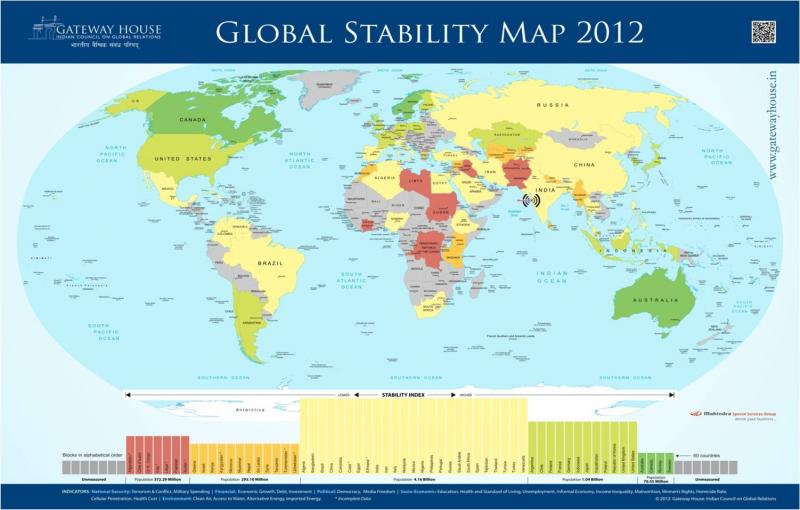 Courtesy: Gateway House
Gateway House prepared a Global Stability Map, using 20 differing indicators, to analyze the stability of 60 countries around the world. Using criteria that are important to the emerging economies of the world, the map provides an Indian perspective of the world today.
As India’s growth slows, it becomes increasingly important to enact reforms so it can return to its intended growth rate of 9%. Gateway House’s Hari Seshasayee interviews Anoop Singh, Director of Asia and Pacific at the IMF, to discuss the impact of the Euro zone crisis on India and the way forward for Asia.
 Courtesy: nazeah/Wikimediacommons - Ramesh Lalwani/Flickr
The year 2011 saw various events - the Arab Spring, anti- corruption protests, Europe's sovereign debt crisis - transform countries and reshape the world order. Gateway House takes a look at what these events mean for India, and presents India's top foreign policy cheers and jeers for the year.