Diplomatic dimensions of Rohingya crisis
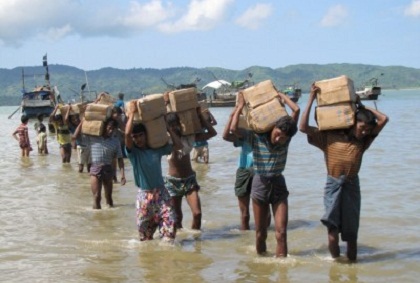
No easy solutions to this refugee problem are emerging despite the considerable international attention it has drawn. India has taken a pragmatic stand despite anxiety about deepening China-Myanmar ties

 Courtesy: Flickr
No easy solutions to this refugee problem are emerging despite the considerable international attention it has drawn. India has taken a pragmatic stand despite anxiety about deepening China-Myanmar ties
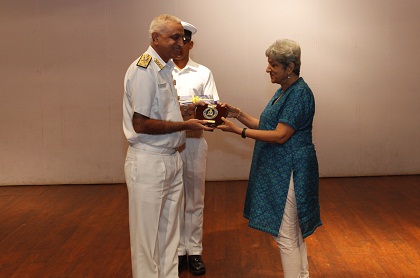 Courtesy: Western Naval Command
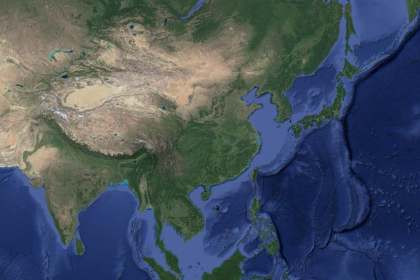
China has expanded its presence in the Indian Ocean Region. President Xi Jinping has abandoned Deng Xiaoping’s conciliatory posture for an aggressive, money-fuelled search for super power status
 Courtesy: Google Maps
Hopes of a close partnership between the U.S. and India, as expressed at the Modi-Trump Summit, will have repercussions on East Asia. Will the region see peace or exacerbated conflict between China and all the nations opposed to its domination?
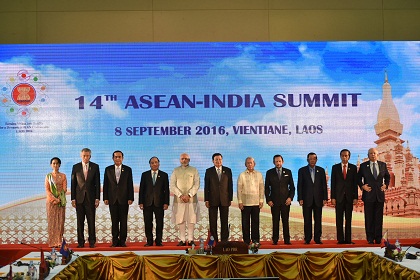 Courtesy: MEA/ Flickr
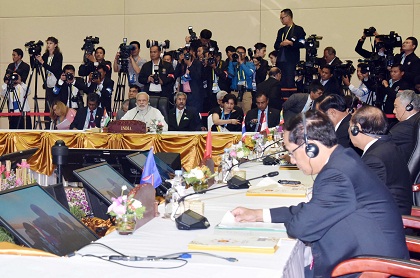
The Indo-Pacific region is home to some of the largest and most rapidly growing economies as also powerful military forces. Nuclear threats, international terrorism and climate change are some of the issues that define the region. Uncertainty dogs relations among the four nations in the top league—U.S., China, India and Japan—but what is emerging is a hawkish, policy stance from the U.S. as opposed to an isolationist outlook apprehended earlier
 Courtesy: MEA/flickr
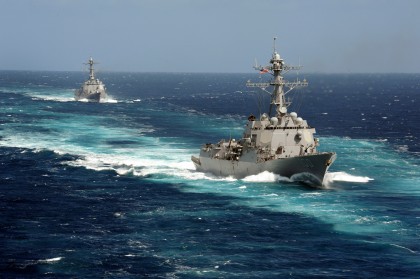
The year 2017 may change some equations in the East Asian region. Will the near parity that the U.S. and China currently share turn into a keener contest? Will strained relations between India and China persist? Donald Trump’s election as the next U.S. president casts the spotlight squarely on these inter-state relationships
 Courtesy: U.S. Navy / Wikipedia
Philippine President Rodrigo Duterte has sought to sever ties with the United States, a declaration that has elicited much skepticism. The West Pacific is in for some realigning of relationships if he makes good on this threat.
 Courtesy: Wikipedia
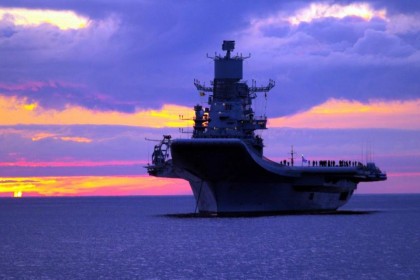
India's policy towards the Indian Ocean has begun to take a clear, coherent form with the signing of the Logistics Exchange Memorandum of Agreement with the United States, an important bilateral visit to Vietnam by Prime Minister Modi, and an ambitious future being laid out by Foreign Secretary Jaishankar
 Courtesy: Manjeet Kripalani
The crippling effect of American sanctions are thorough; designed to strangle economies and bring entire nations to a halt. However, they unknowingly pull people together, imparting a deep sense of patriotism and often sparking innovation which can quickly surpass any other world power. With sanctions being lifted on nations like Myanmar, Iran and, hopefully, Cuba, the question remains whether they will retain their uniqueness or fall into line with the rest?
 Courtesy: Narendramodi.in
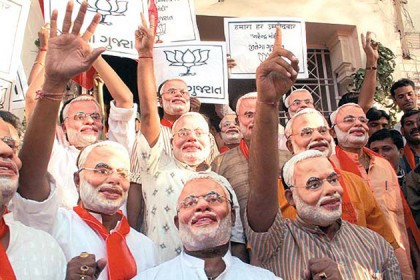
Narendra Modi’s landslide victory in India's 2014 general elections, despite his hardline nationalist image, was viewed as a localised phenomenon. But two years later, voters across the world from Europe to Philippines seem to be tilting towards leaders with the same nationalist tag.
 Courtesy: ustr.gov
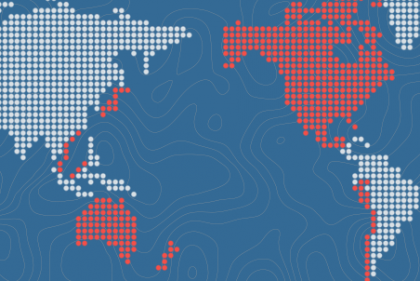
The Trans-Pacific Partnership has dropped strong Intellectual Property Rights regulations on India’s doorstep. The implications of these regulations could affect India’s own policies, as well as her global aspirations towards the potential Regional Comprehensive Economic Partnership.