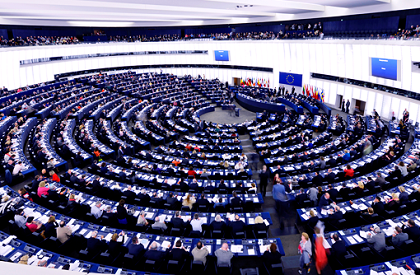
The importance of being neighbourly
India is subtly adding four new elements in the policy matrix

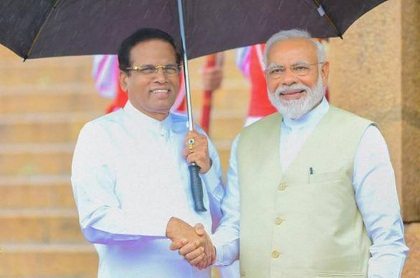 Courtesy: Twitter/@MaithripalaS
India is subtly adding four new elements in the policy matrix
 Courtesy: IEEE Spectrum
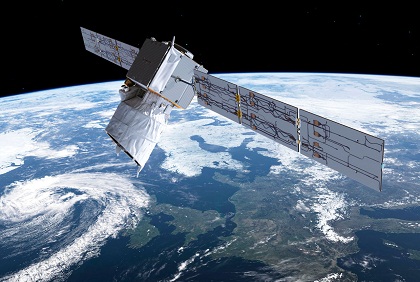
The Basic Exchange and Cooperation Agreement for Geospatial Cooperation (BECA), the last of the India-U.S. foundational agreements, will enable India to avail of U.S. expertise on geospatial intelligence and to sharpen the accuracy of weapons and automated hardware systems used for military purposes. But the over-emphasis on imaging in the agreement overlooks the likelihood of a clash between the telecom and meteorological technologies, which can hurt India’s crucial capabilities in space-based weather forecasting and disaster management
 Courtesy: NY Times
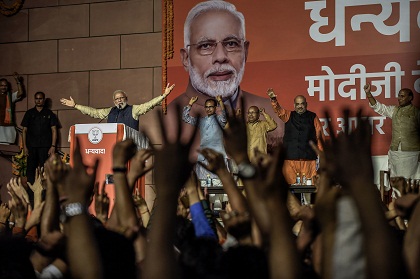
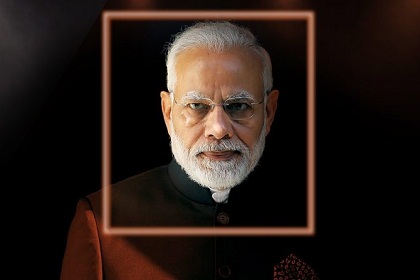
India’s foreign policy is increasingly blended in with its domestic agenda – and vice versa. Prime Minister Modi’s past proactive foreign policy has paid dividends in bringing global attention to India, a fact young voters have noticed and approved. In his second term, what will India’s foreign policy look like? A continuum of the past, but also new frameworks for the future
 Courtesy: CNBC TV18
India's foreign policy under the second Modi government will take account of a turbulent world in which the old verities are disappearing and domestic political compulsions exert overwhelming influence on external postures
 Courtesy: Gateway House
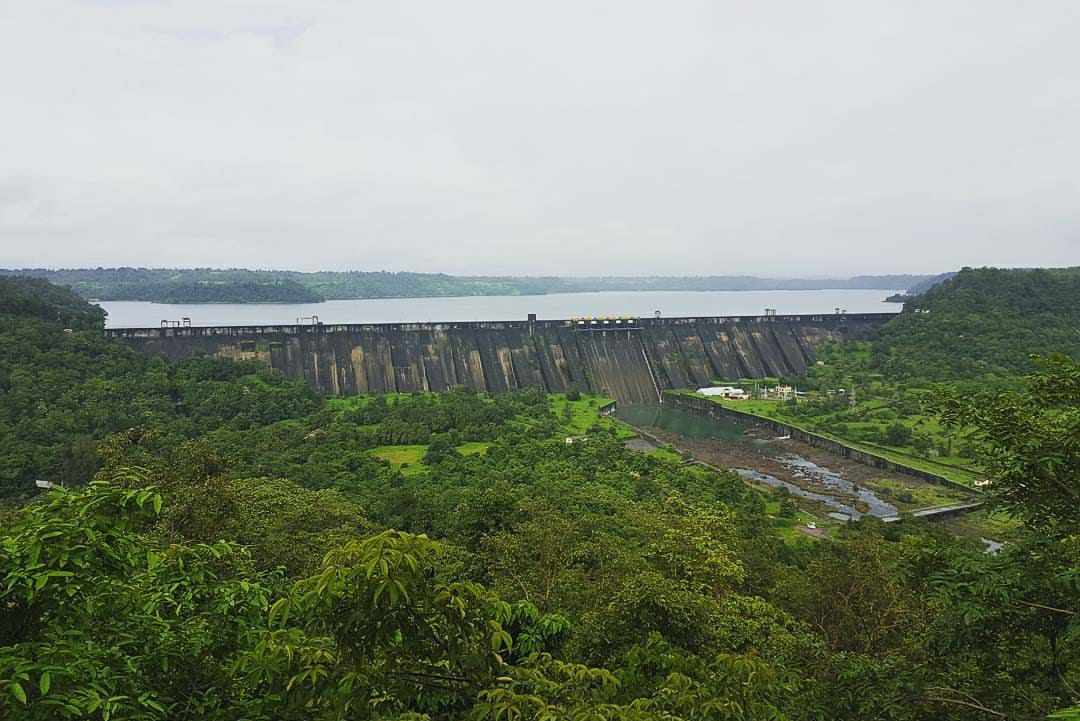
The re-election of the Bharatiya Janata Party to Parliament means that India’s infrastructure buildout will continue apace. This will be a heavy load on the environment. It will also have to abide by Prime Minister Modi’s commitment to the successful implementation of the Sustainable Development Goals (SDGs) by 2030. This offers an opportunity for the government to think innovatively about measures for sustainable development, particularly in pricing nature
The German-French collaboration has been the motor of the European Union so far, but there has been a rise of resentment within the other European countries, with a mobilisation of right-wing parties and talk of an Italian-Polish motor instead, says Neelam Deo, Director and Co-Founder of Gateway House, in this interview. Elections to the European Parliament are taking place from May 23-26
 Courtesy:
Why this unique grouping of India, Brazil and South Africa must be revitalised
 Courtesy: India Today
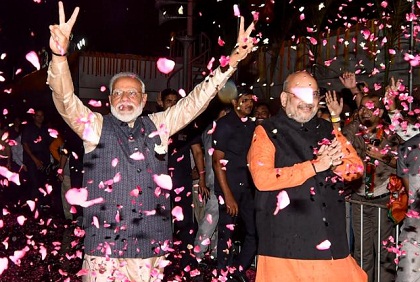
The Bharatiya Janata Party, led by Prime Minister Narendra Modi, has been returned to power for another five years, till 2024. In the run-up to the national elections, the author travelled to Bengal and Uttar Pradesh, two of India’s most important states, to gauge the mood of the electorate, and to assess the economic and political conditions on the ground since the last election in 2014. She found a new generation with big dreams, and a population whose basic needs were being met. Economic citizenry has trumped identity politics. Modi is the leitmotif for this India, and they look to him to lead them into a middle class future.
 Courtesy: RIS
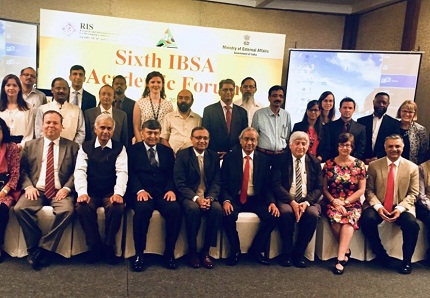
The following are remarks given by Ambassador Rajiv Bhatia, Distinguished Fellow, Foreign Policy Studies, Gateway House at a panel discussion on ‘Contemporary Global Governance and the Role of IBSA’, at the IBSA Academic Forum hosted by RIS and the Ministry of External Affairs, Government of India.
 Courtesy: News Click
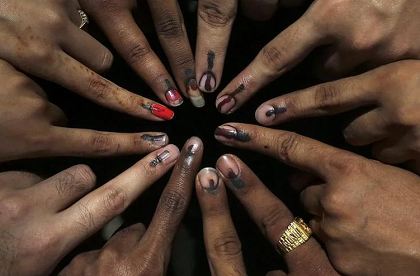
The Indian elections 2019, being conducted over seven phases, reaffirm all the values electoral democracy stands for, but this time, it has also become a referendum on Prime Minister Modi and his Bharatiya Janata Party which had won a clear majority in 2014. Outcomes are therefore unpredictable