There was much at stake for the U.S.-Russia summit at Alaska – more than just the future of Ukraine. It will put the world back on economic track, and ease East-West relations, under stress for an on-going tariff war. For now, diplomacy has played a successful hand.
India-U.S. trade negotiations have faltered. India stepped outside its comfort zone to offer zero tariffs on industrial goods that form 40% of U.S. exports to India, but the additional 25% tariffs have rendered most Indian exports noncompetitive. Only a carefully balanced, incremental negotiating framework blending economic pragmatism with protection of core domestic interests backed by political will, stands a realistic chance of bridging the current impasse.
Warfare is changing its character, and drones are playing a big role in it. Technology that was first extensively used in the Vietnam war is a current conflict staple. With the increasing use of artificial intelligence, drones are becoming more powerful and useful.
Most multilateral and plurilateral institutions have lost their significance and ability to shape the trajectory of international relations today. The G7 is no exception. It is impacted by the shift of power from the Atlantic to the Pacific, and an intra-Atlantic rift. The G7 discussions reflected this. More positive were the sideline discussions on repairing the India-Canada bilateral.
Canadian Prime Minister Carney can use the upcoming G7 summit he is hosting to advance the North-South dialogue and cooperation and also to discuss the strained bilateral with India. India can articulate the viewpoint of the Global South, stressing its conviction that the G7 is better served by constructively working with developing and emerging economies.
The proposed IMEC corridor connecting India to Europe through the Gulf can be transformative, helping to reduce risks to the global movement of goods and data. It’s early days yet, and there are gaps to be filled in terms of missing infrastructure and overcoming a diplomatic rift.
Over two centuries, the U.S. has amassed vast economic powers across the globe during and after the two World Wars , and sanctions slowly became an effective tool it used to achieve its foreign policy goals, becoming the global emperor of sanctions.
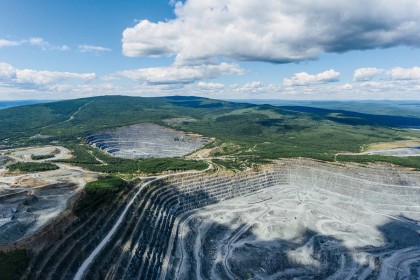
Three years into the war with Ukraine, Russia has adapted to the changed economic scenario. It’s an ideal time for India and Russia to step up their economic engagement, especially as India seeks resources in energy and critical minerals for growth. However, Indian companies are wary of using these opportunities and are missing out on access to the world’s larges and most mineral-rich region.
U.S. President Trump is prioritising strategic competition with China and seeking stability with Russia. This approach involves sanctions relief, sidelining Ukraine, and fostering economic ties with Moscow to weaken its reliance on China and reshape global power dynamics. Europe is divided on the outreach to Russia, but the U.S. wants to leverage energy markets and investment opportunities to expand its influence over Moscow.
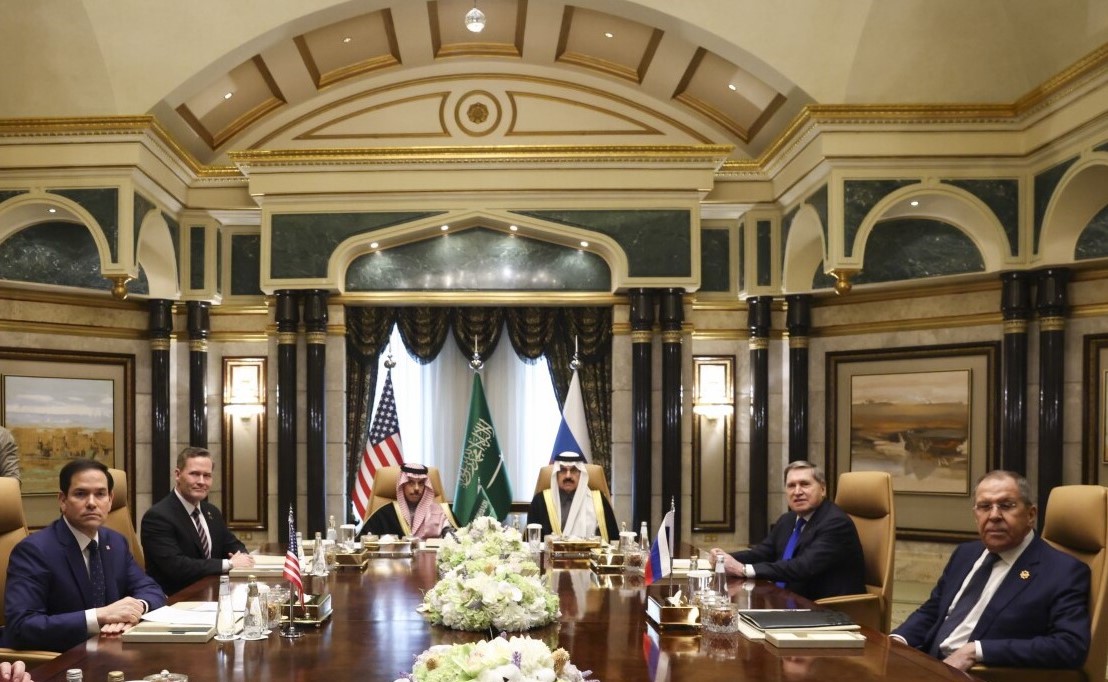
Saudi Arabia has been the new centre for mediation between warring states and their sponsors. It reflects the shifting dynamics in an increasingly multipolar world and the redefinition of power structures. This role has extended to other Gulf states, which have strategically positioned themselves as neutral players, leveraging their strong relations with the great powers, and adopted culturally sensitive to consensus-building.