Regional impact of U.S.-Taliban deal
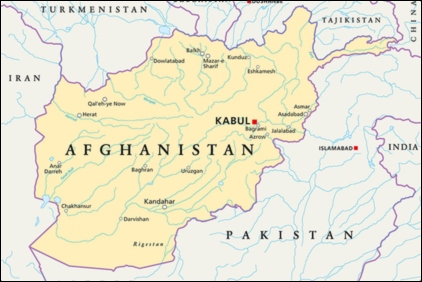
The U.S.-Taliban deal of 29 Feb favours some and disadvantages others in the region. This infographic shows how regional geopolitics will change

 Courtesy: Shutterstock
The U.S.-Taliban deal of 29 Feb favours some and disadvantages others in the region. This infographic shows how regional geopolitics will change
 Courtesy: Shutterstock
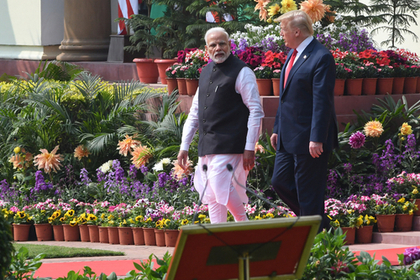
President Trump enjoyed every moment of the hype that attended his February 2020 visit to India, says Ambassador Neelam Deo, Director and Co-founder of Gateway House, in this podcast, even as the focus was on concrete outcomes, such as defence purchases and oil procurement deals. She discusses the geopolitical implications of a closer India-U.S. strategic relationship and the weaknesses of the U.S.-Taliban peace deal
 Courtesy: Shutterstock
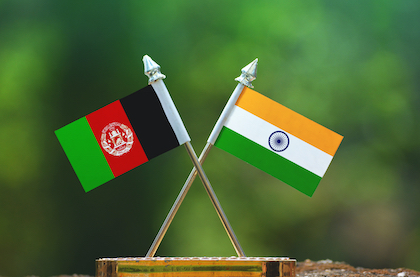
India should stop looking at Afghanistan through the Pakistan prism and be a major contributor in the development of peace and prosperity in the country
 Courtesy: Shutterstock
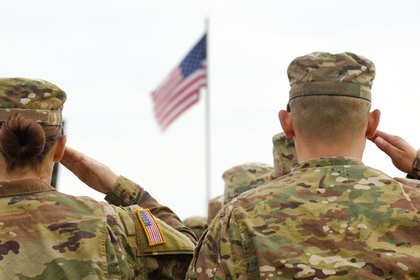
The signing of an agreement between the U.S. and the Taliban on February 29 may result in the withdrawal of U.S. troops from Afghanistan, which is contingent upon the Taliban’s adherence to certain conditions. The end of the West’s 19-year-long Afghan campaign – if Pakistan does not turn spoiler – is of vital interest to India
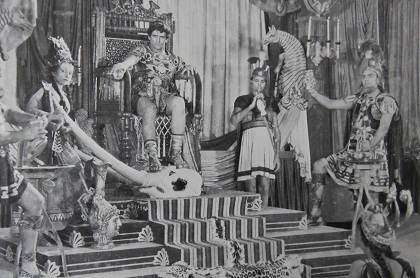 Courtesy: Sifra Lentin
Bombay’s Hindi film industry has welcomed Pathan talent – venerated actor Dilip Kumar, scriptwriter Salim Khan and musician Adnan Sami Khan are some prominent examples. Many of them originally came from undivided India’s Pathan homelands in what is today’s Pakistan’s Khyber Pakhtunkhwa Province, entering the industry at an opportune time. Today, their descendants wear the Khan name with pride
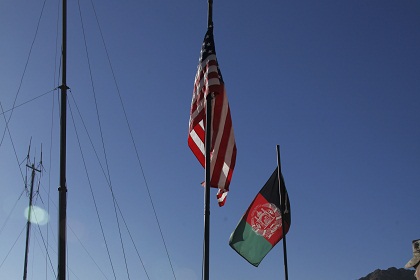 Courtesy: Shutterstock
The United States’ decision to rebuild Afghanistan’s ring road was a change of strategy from its earlier focus on countering terrorism. But the road remains in a state of disrepair because the U.S.’ commitment to the cause has wilted
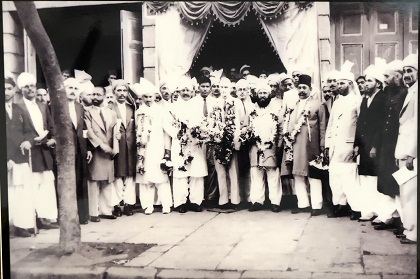 Courtesy: Gateway House
Bombay’s Pathan community was most visible from the 19th century until India’s partition in 1947. Taking to hard labour with a natural ease, they worked mostly in mills and as security staff. Others went into business. Their numbers have thinned now, but they have retained their cultural identity, holding fast to feudal codes of conduct
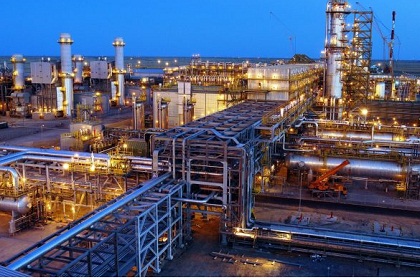 Courtesy: ibctrain.com
The main objective of the Shanghai Cooperation Organisation’s (SCO) Energy Club, when Russia formed it, was to market its member states’ substantial oil and natural gas reserves. This map shows some of the important natural gas pipelines, originating from Russia and its neighbouring countries that are not members of the SCO. What can India do to secure supplies from these abundant but currently inaccessible natural gas reserves?
 Courtesy: AFP Photo/AREF KARIMI
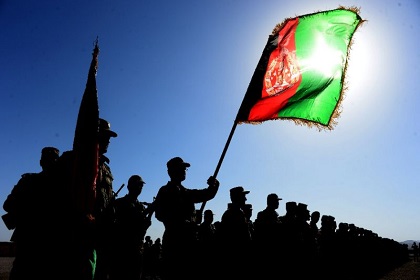
The people of Afghanistan, torn by war, ethnic strife and geoeconomic contestation for their country’s rich natural resources, have paid by forsaking the assurances of daily life. But President Ashraf Ghani has shown them that normalcy can return and it is possible to hold regular elections. The author, a guest of the President and First Lady, travelled through the country in October 2018 to record her impressions of a resilient people who have reason to hope for a different future
 Courtesy: MEA Flickr
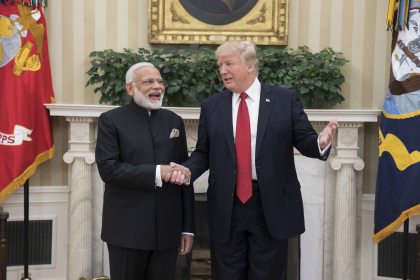
The imperative for India to move away from its non-aligned posture is now, especially if it wants to be consequential in the global reordering underway. This will play out in the contention between the U.S. on one side, and China and Russia on the other.