04 Courtesy: Sameer Patil & Shah Maieen
8 February 2018

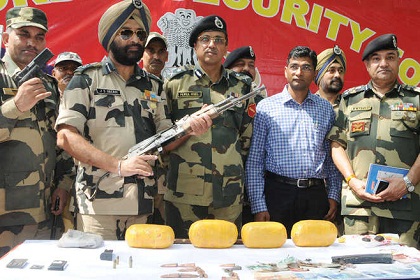
The Rohingyas and India’s difficult choices

A recent trip to Cox’s Bazar showed that despite numerous health, social and security challenges, the Rohingya refugees are reluctant to return to Myanmar. India will have to walk a tightrope, keeping in mind humanitarian, security, and geopolitical priorities

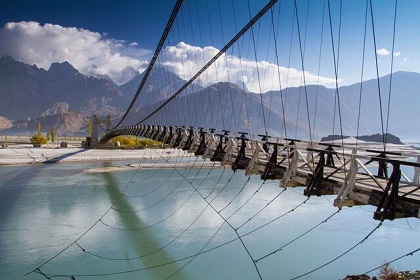
Gwadar CPEC Port Courtesy: pakchina.pk
11 January 2018

Gwadar: challenged strategic asset

Gwadar has lain in relative obscurity since 1958 when Oman sold it to Pakistan. It was only 50 years later that the Chinese ‘rediscovered’ it. Pakistan and China have much to learn from the British experience of this strategic asset

aa-Cover-aku7um6k6ta50ut215mv8qrrj6-20180107020128.Medi Courtesy: AP (Courtesy of The Asian Age)
7 January 2018

The unchanged U.S.-Pakistan dynamic

Logistical support for this mission, movement of heavy equipment, fuel and other supplies, needs connectivity via Pakistan.

labaik-ya-rasool-allah-rally-held-1350502885-2234 Courtesy: Pakistan Times
14 December 2017

Pakistan’s risky experiment of mainstreaming extremism

As Pakistan prepares for general elections, its Army is working to bring terrorist and radical religious groups into the political mainstream. Its leisurely response to recent anti-blasphemy protests by the Tehreek Labaik Ya Rasool group and release of terrorist mastermind Hafiz Saeed are a part of this strategy

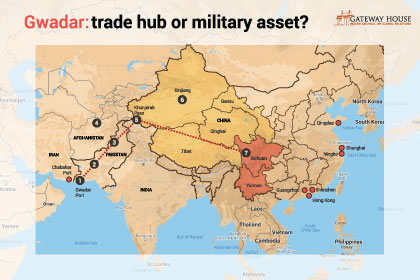
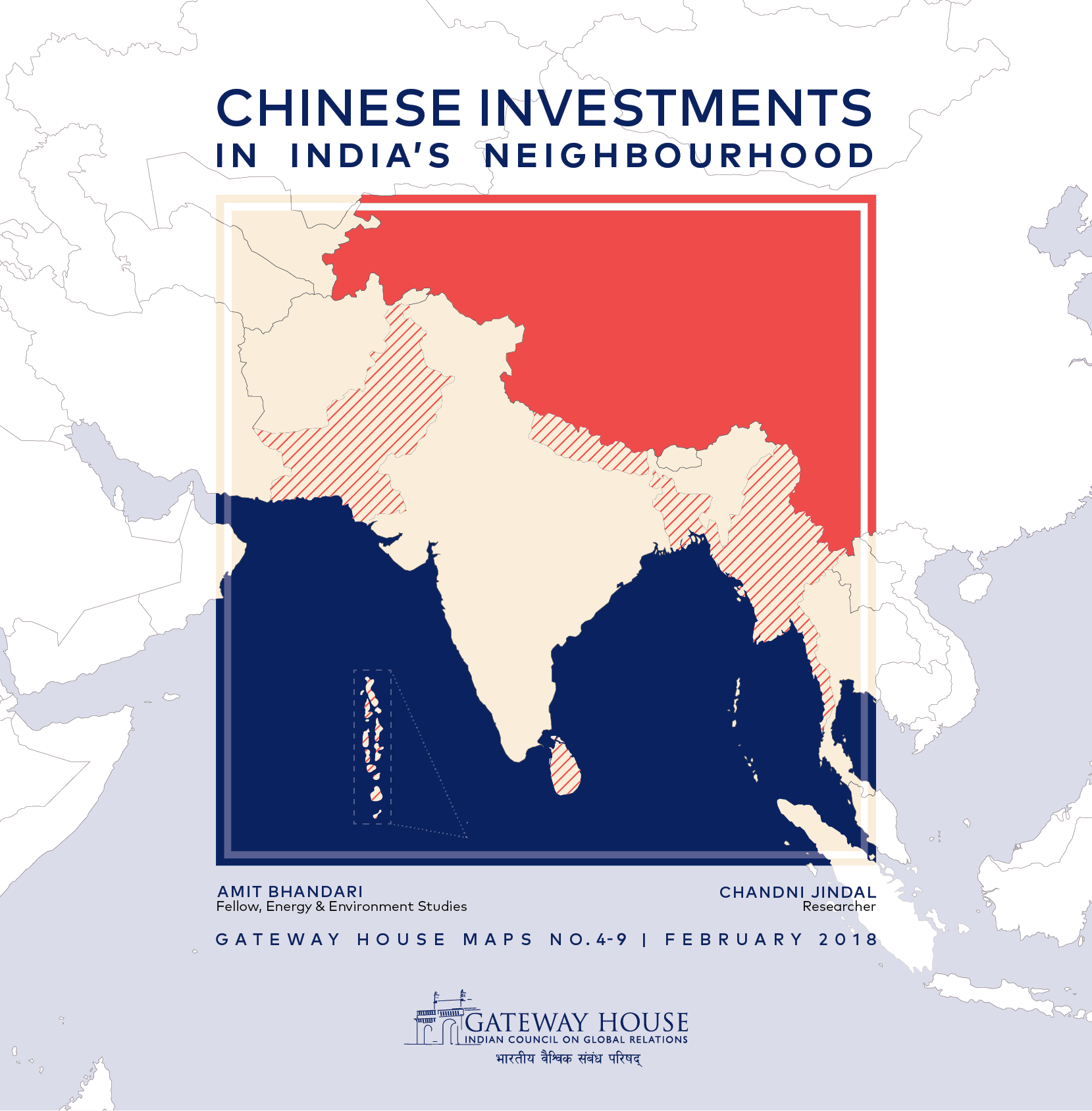
Gateway House's research map on Chinese investments in Pakistan. Researched by Amit Bhandari and Chandni Jindal. Courtesy: Gateway House
30 November 2017

Pakistan: A Reckless Mortgage

The China-Pakistan Economic Corridor is a strategic play by China disguised as an economic corridor. It may bring some economic benefits to Pakistan in the short run, but will almost certainly cost the country – and India – a big political price in the long run

15705178327_657de9387e_o Courtesy: MEA/Flickr
16 November 2017

Is dialogue in South Asia on pause?

Regional groupings in South Asia have turned out to be like diligent pupils whose report cards show performance below par. The reasons for such an impasse range from political divergences to the economic downturn and the much talked about China factor that has many implications for India

Secretary of Defense Jim Mattis and India's Defence Minister Nirmala Sitharaman address the press in New Delhi on Sept. 26, 2017. (DOD photo by U.S. Air Force Staff Sgt. Jette Carr) Courtesy: Jim Mattis/ Flickr
3 October 2017

Indo-U.S.: gains from a ‘new phase’

India and the Trump administration are on a mutually appreciative footing. Two significant visits have given the bilateral a renewed focus and both countries are seeking ways to put their strategic and political convergence into practice

_MG_8960 Courtesy: Western Naval Command
28 September 2017

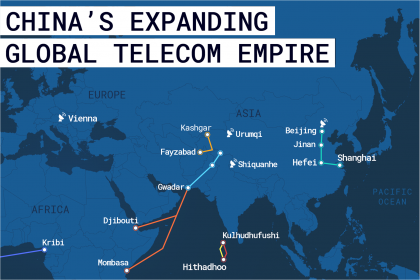
China in IOR: ‘peaceful rise’ no more

China has expanded its presence in the Indian Ocean Region. President Xi Jinping has abandoned Deng Xiaoping’s conciliatory posture for an aggressive, money-fuelled search for super power status

Rare-Old-Photos-of-Karachi-A-Parsi-family-in-Karachi-in-motor-car-1925-Old-and-rare-Pictures-of-Karachi Courtesy: Pinterest
7 September 2017

Partition: those who stayed behind

Bombay’s Parsis, Bene-Israel Jews, and Goans settled in Karachi, Lahore and other cities and provinces that the British had annexed since the mid-19th century. The Partition of India in 1947 gave these minority communities the choice to stay or leave. The Bene-Israel left. The Parsis and Goans continue to have a presence in Pakistan