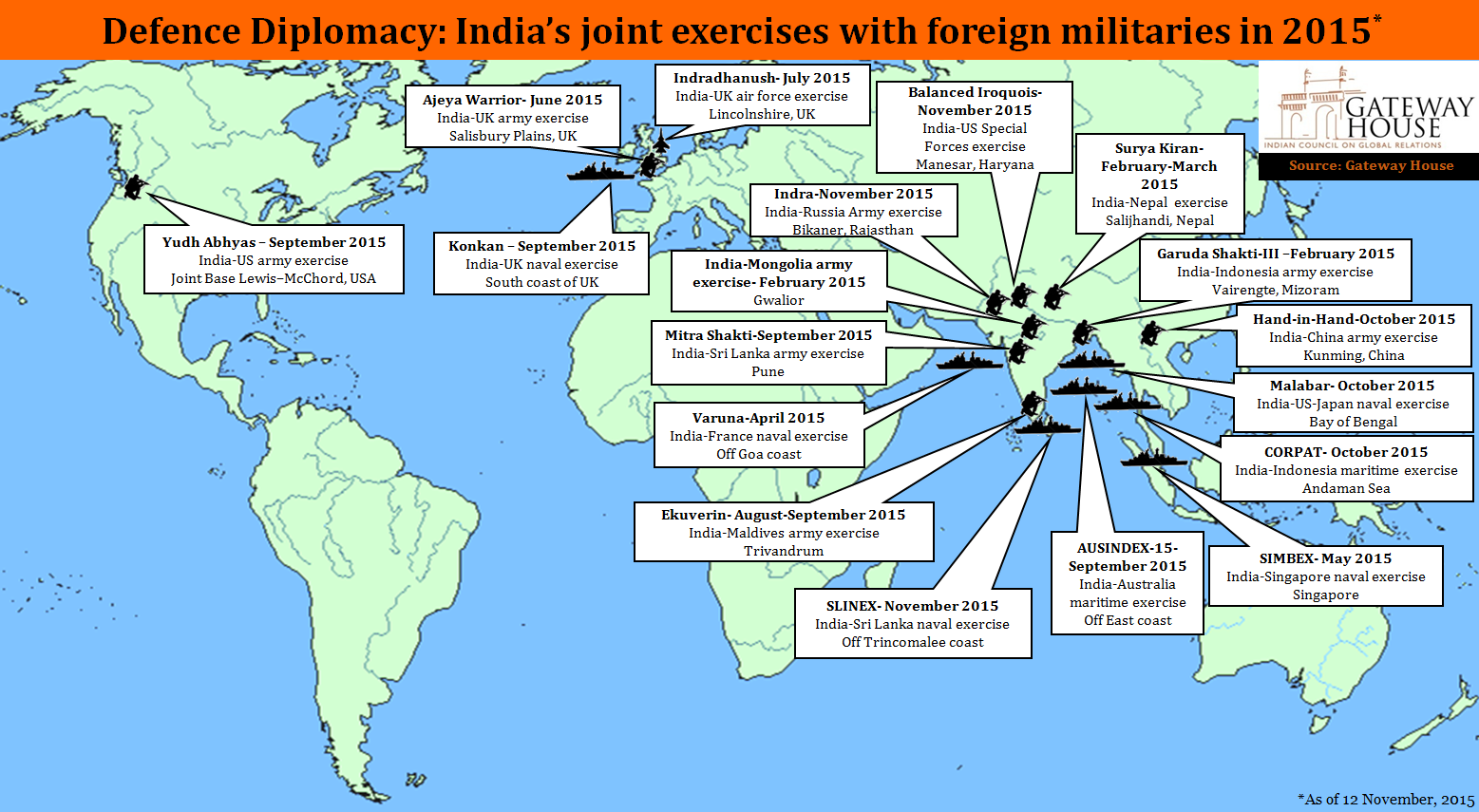
This year, India's defence diplomacy has ramped up. In 2015 alone there have been 18 military exercises- naval, army and air force- with 13 countries, among the largest engagements the country has had. Most significant is Japan joining the Malabar exercises in the Bay of Bengal and the first-ever maritime exercise with Australia. This is increasing India's presence from the Arabian Sea to the Bay of Bengal. As these exercises intensify India will be better positioned to handle regional security challenges. Courtesy:
12 November 2015

India’s defence diplomacy

This year, India's defence diplomacy has ramped up. In 2015 alone there have been 18 military exercises- naval, army and air force- with 13 countries, among the largest engagements the country has had. Most significant is Japan joining the Malabar exercises in the Bay of Bengal and the first-ever maritime exercise with Australia. This is increasing India's presence from the Arabian Sea to the Bay of Bengal. As these exercises intensify India will be better positioned to handle regional security challenges.

Leaders_of_TPP_member_states- wikipedia Courtesy: Wikipedia
20 May 2015

TPP and RCEP: the hare and the tortoise?

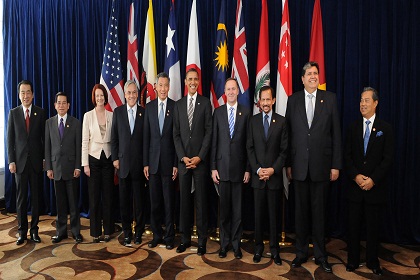
The Trans-Pacific Partnership might soon be concluded if the U.S. Congress fast-tracks it, as recently announced, while the Regional Comprehensive Economic Partnership Agreement remains on slow-track. But the TPP, although ambitious, follows an outdated template, and it is the dynamic RCEP that can be a model for a new global rules-based framework

aiib Courtesy: file photo/Xinhua, Wikipedia
23 April 2015

An ASEAN lens on the AIIB

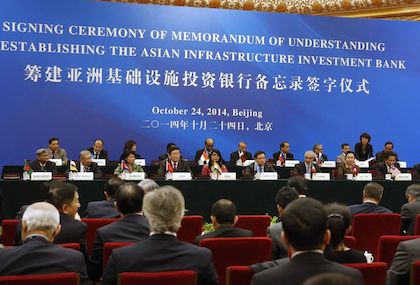
The AIIB is a step along a path that started with the Asian financial crisis, which defined ASEAN’s views about the U.S.’s commitment to the region. Although the bank may signal the rise of China, it is also a coming together of Chinese and ASEAN goals—ASEAN’s focus on infrastructure for growth requires another source of finance, and this forecasts its strong relationship with the AIIB

east asia summit Courtesy: wikimedia
7 November 2014

A multilateral test for Modi

After bilateral meetings, the thrust for Prime Minister Modi will now change with various multilateral summits coming up, starting with India-ASEAN and the East Asia Summit next week. These are opportunities to expand India’s regional position and economic links, and address issues such as terrorism and a rising China

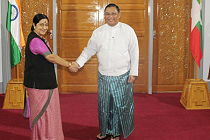
Sushma with Wunna Maung Lwin Courtesy: MEA/Government of India
11 August 2014

Myanmar in the ASEAN matrix

Myanmar, currently listed as one of the least developed nations by the UN, provides its neighbouring countries the opportunity to invest in one of the world’s last few business frontiers. Sushma Swaraj on her maiden visit to Nay Pyi Taw should continue to strengthen ties based on economic goals to develop largely underdeveloped areas along the common border as well use Myanmar’s increasing weight in the ASEAN grouping

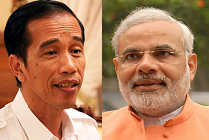
Modi Jokowi cross Courtesy: Gateway House
22 July 2014

A better partner: Indonesia?

The recent election in Indonesia gives India a chance to evaluate the many points of comparison between the two diverse and vibrant democracies. Both will face similar challenges, and so Indonesia may be a better parallel as well as partner than China – the usual model cited for development

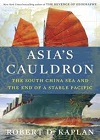
asias cauldron Courtesy: Random House
18 July 2014

Book review: the rise of China

‘Asia’s Cauldron: The South China Sea and the End of a Stable Pacific’ is a pragmatic narrative by Robert D. Kaplan of the receding power of the U.S. and China’s growing dominance

election symbols_Ballot box Courtesy: Rama/Wikimedia Commons
22 April 2014

50 elections in 2014: a year of democracy

The year 2014 will witness elections in some of the biggest countries including India, Brazil and Indonesia. Like in India, the participation of youth voters is likely to be an important determinant in the outcome of the elections. Gateway House examines the presence of issues common to India and the major countries going to the polls in early 2014

Federal_Reserve_Board_Building Courtesy: Agnostic Preachers Kid/Wikimedia Commons
13 March 2014

Multi-polar world, unilateral Fed

To navigate the U.S. away from the huge monetary stimulus, the Federal Reserve has initiated tapering. But in an integrating world, the emerging economies, especially India, China and Brazil, will see collateral liquidity damage. How will the Fed enforce its mandate? How will central banks in emerging markets react?