NATO afghan Courtesy: Open Democracy
18 June 2012

The return of the Pashtun problem and NATO withdrawal from Afghanistan in 2014

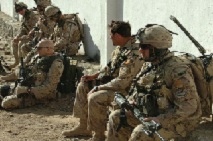
The NATO withdrawal from Afghanistan in 2014 should be done tactically so that it doesn't destabilize Pakistan. Despite having accepted Pakistani help in the past, the Taliban might empathize with Pakistani Pashtuns and spread the very secessionist tendencies which Pakistan’s Afghan policy was designed to prevent.
iran talks Courtesy: IAEA Imagebank/Flickr
8 June 2012

All to play for in Moscow

Ahead of nuclear talks between Iran and the P5+1 in Moscow, the West seems confident that sanctions will induce Iran to settle on its uranium enrichment. But rather than arriving at a negotiated settlement by applying the principle of reciprocity, the West may look to anaesthetize oil markets.

5825395379_5d725a53f4_z Courtesy: Flickr/freeedomania
21 April 2012

UN: a return to ‘mandated colonialism’

By forcing regime change in Libya, and attempting the same in Syria, and by promiscuously arming disparate groups of Wahabbis and Salafists to achieve this aim, NATO is creating more room for instability in the region. What Syria needs is engagement, not isolation; it needs dialogue and not the arming of rebels.

Courtesy: IAEA Imagebank
9 April 2012

Iran: An opportunity for BRICS

The scope for any process on nuclear talks with Iran to founder on distrust, misunderstanding and political in-fighting in both Tehran and Washington remains formidable. Equally disturbing are the wider political realities. Can the upcoming talks in Istanbul launch a process that can, over time, lead to agreement?

eu india Courtesy: PIB
13 February 2012

New template for India-EU FTA

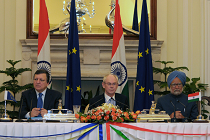
As India and the European Union negotiate on a Free Trade Agreement (FTA) in New Delhi, we analyse the relevance and impact an FTA would have on both parties. Can creative methods be implemented to break the current deadlock in negotiations?

anna hazare 2 Courtesy: nazeah/Wikimediacommons - Ramesh Lalwani/Flickr
30 December 2011

2011’s Top Foreign Policy Cheers and Jeers

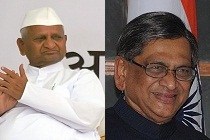
The year 2011 saw various events - the Arab Spring, anti- corruption protests, Europe's sovereign debt crisis - transform countries and reshape the world order. Gateway House takes a look at what these events mean for India, and presents India's top foreign policy cheers and jeers for the year.

brics bailing out europe piece Courtesy: www.kremlin.ru/Flickr
23 September 2011

BRICS bail-out of Europe: A far cry

In a reversal of historical roles, the BRICS nations may be coming to Europe’s rescue. During the Asian Financial Crisis, the International Monetary Fund (IMF) introduced structural adjustments in return for IMF loans, and many institutions and individuals went bankrupt. Will it be any different now?

Andy Armstrong Flickr Courtesy: AndyArmstrong/Flickr
12 August 2011

Why Britain is not a ‘broken’ society

Explanations for the riots in England must go deeper than the easy targets of race, consumerist greed, and the socio-economic environment. It is necessary to understand the way socially-wired youth approached the riots as an opportunity for consequence-free action.

christine lag bob Courtesy: WorldEconomicForum/Flickr
13 July 2011

Christine Lagarde: In the hot seat

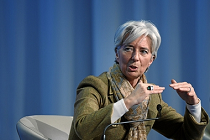
As the new head of the IMF, Christine Lagarde’s experience in cajoling world leaders will go some way in negotiating the European bailouts. The real challenge, however, will be trying to raise funds for anything as large as Italy.

schengen spirit of openness Courtesy: FourthFloor/Flickr
23 June 2011

The Schengen spirit of openness

Despite their economic downturns, domestic tensions keep developed countries from embracing the revitalizing potential of foreign workers. Ambassador Neelam Deo argues that India should continue to leverage its history of diversity and capitalize on a world more open to the free flow of goods and services.