Naya Kashmir, at first sight
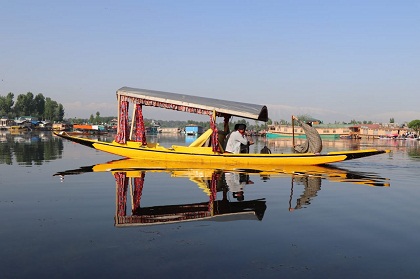
On a week-long October visit to Jammu and Kashmir, the author found both clarity and complexity among the citizens about their new status, and that the practicalities of daily life are more compelling than ideology

 Courtesy: Sameer Patil
On a week-long October visit to Jammu and Kashmir, the author found both clarity and complexity among the citizens about their new status, and that the practicalities of daily life are more compelling than ideology
 Courtesy: MEA/Flickr
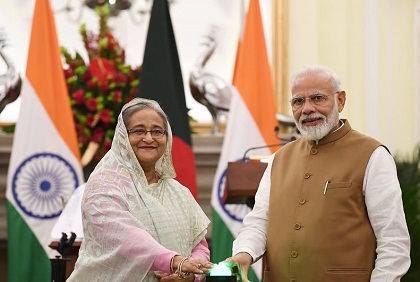
Bangladesh prime minister Sheikh Hasina’s visit to India earlier this month, resulting in seven new agreements, showed the strength of the mutual relationship. But both governments need to address some rankling issues: the sharing of the Teesta waters, the Rohingya problem and repatriation of the illegal people from Assam
 Courtesy: Shutterstock
The United Nations’ Paris Agreement of 2015 had nations committing to reduce emissions of greenhouse gases to slow the rise in global temperatures. But terrestrial geoengineering – or the use of “carbon capture” technologies and developing carbon sinks to remove gases already in the atmosphere – and atmospheric climate engineering are technologies which also seek to slow global warming
 Courtesy: Harper Collins
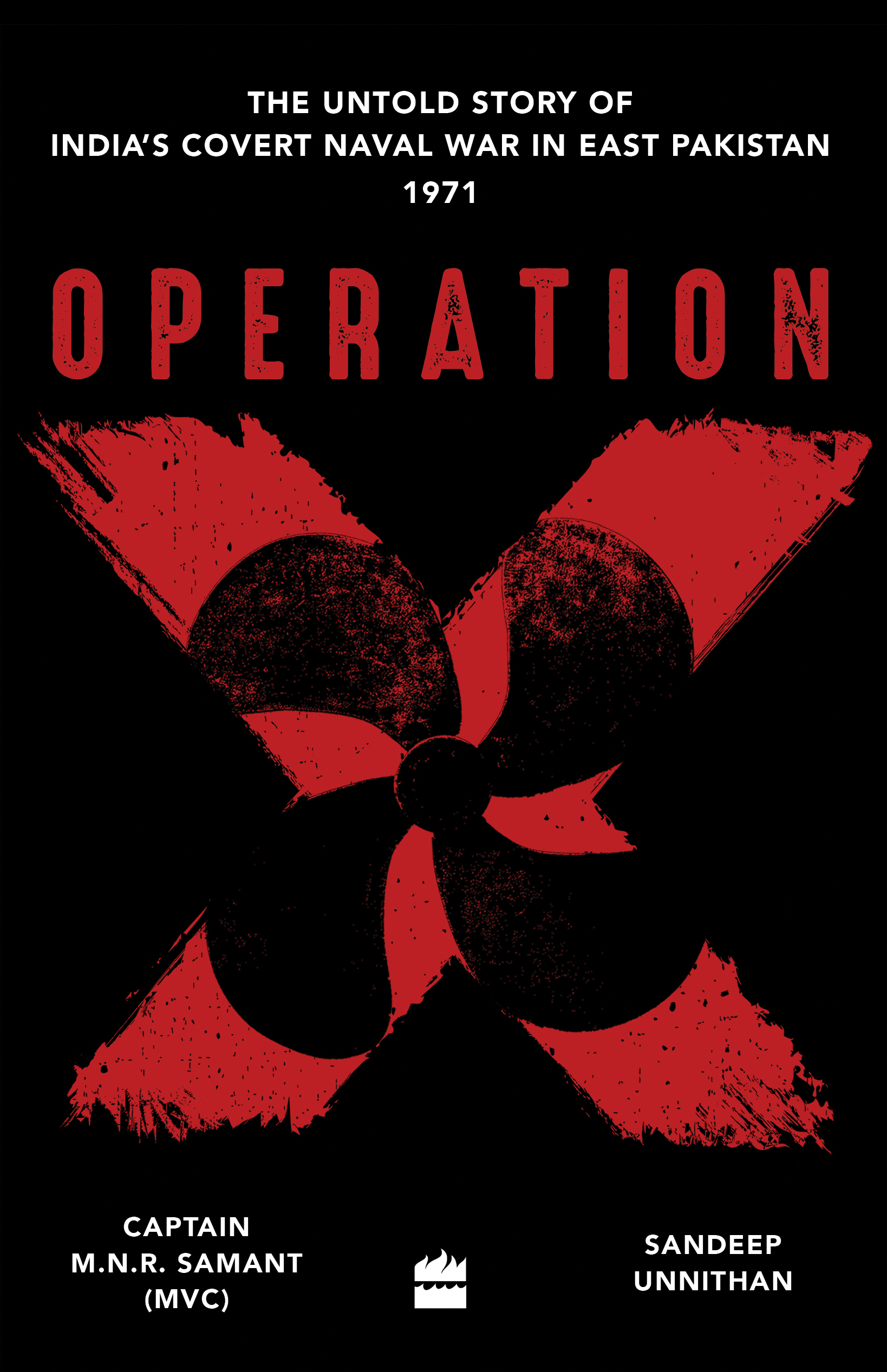
This is a grippingly written account of a not very widely documented episode from the Indo-Pakistan war of 1971: ‘Operation X’ was a naval commando operation, executed by a brave band of Bangladeshi freedom fighters. But it also marked a turning point in the war – and in the way India was to fight future wars
 Courtesy: Shutterstock
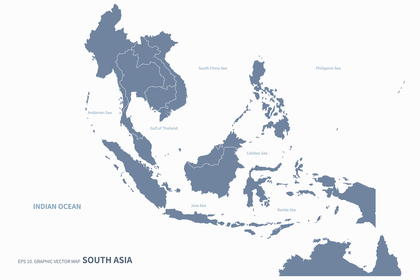
The foreign ministers of the Quad countries meet for the first time in New York today even as the Indo-Pacific has turned into a keenly contested geopolitical arena. Some countries are offering to play a mediatory role while other triangular equations are also undergoing change. An analysis of some of the relationships at work here
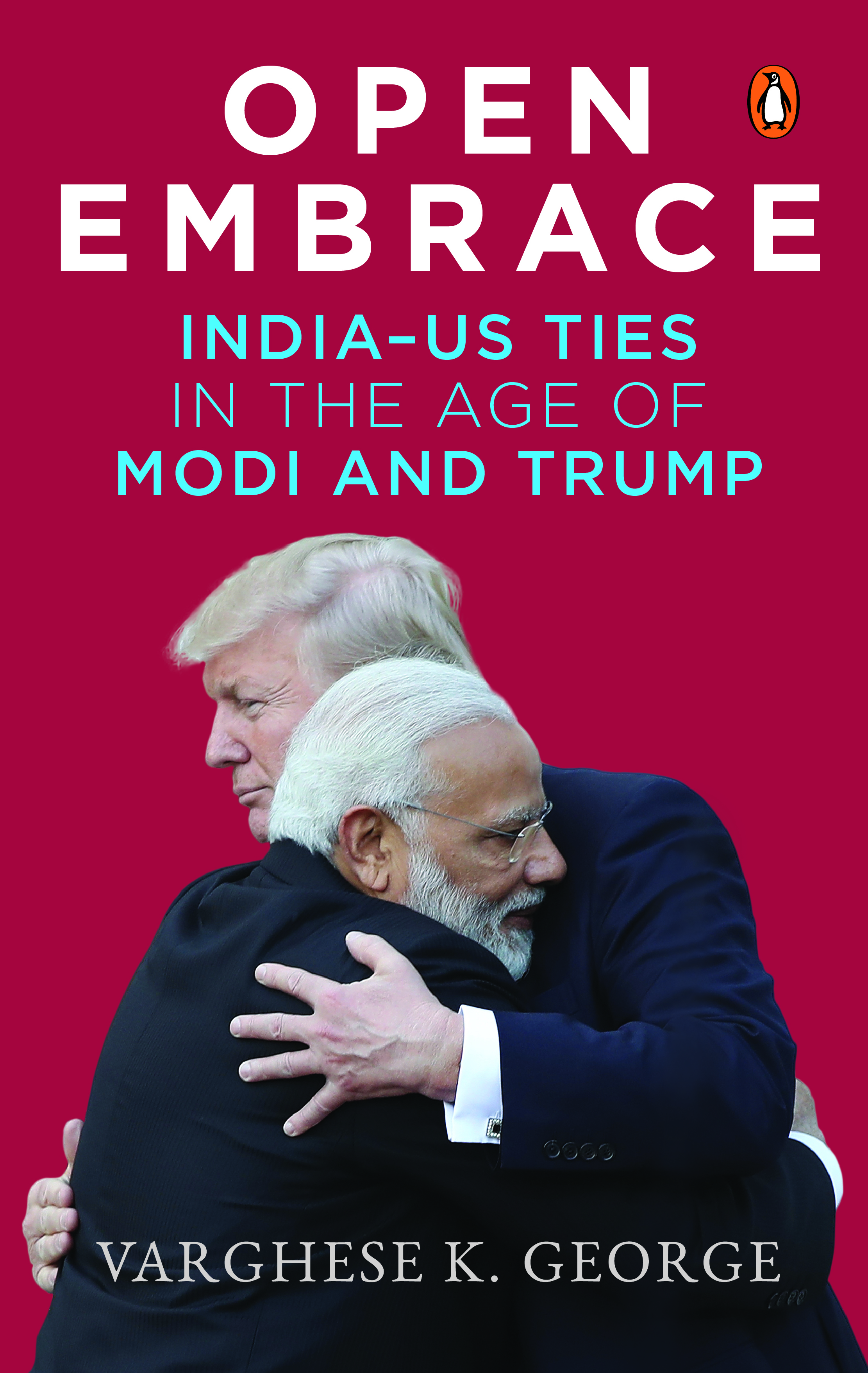 Courtesy: Penguin
This book offers a ringside view of evolving Indo-U.S. ties under two conservative leaders, both engaged in mixing nationalism, religion and populism to advance the global capitalist order. The title points to an interesting departure from the more orthodox view of the bilateral relationship, which is usually from the prism of discord or estrangement
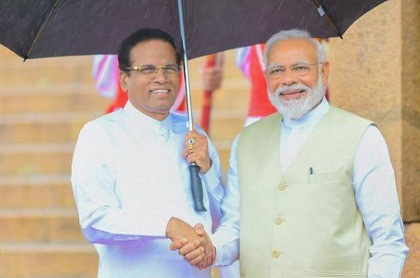 Courtesy: Twitter/@MaithripalaS
India is subtly adding four new elements in the policy matrix
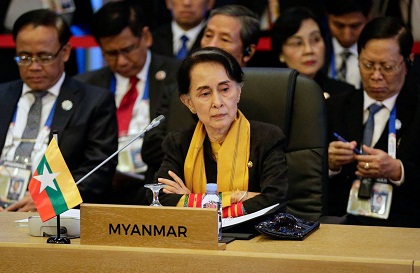 Courtesy: The Wall Street Journal
The Aung San Suu Kyi-led National League for Democracy, which has been in power for three years, has shown a modest score card, winning more censure than praise. Suu Kyi’s civilian-military equation has been good, but not her reluctance on the Rohingya issue. What chances does her party have of winning in Myanmar’s elections in 2020?
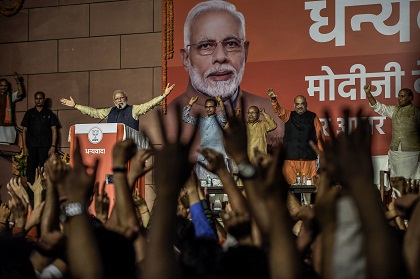 Courtesy: NY Times
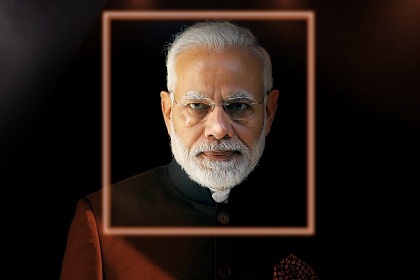
India’s foreign policy is increasingly blended in with its domestic agenda – and vice versa. Prime Minister Modi’s past proactive foreign policy has paid dividends in bringing global attention to India, a fact young voters have noticed and approved. In his second term, what will India’s foreign policy look like? A continuum of the past, but also new frameworks for the future
 Courtesy: CNBC TV18
India's foreign policy under the second Modi government will take account of a turbulent world in which the old verities are disappearing and domestic political compulsions exert overwhelming influence on external postures