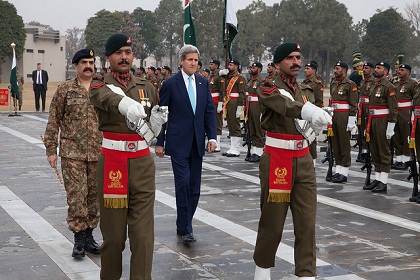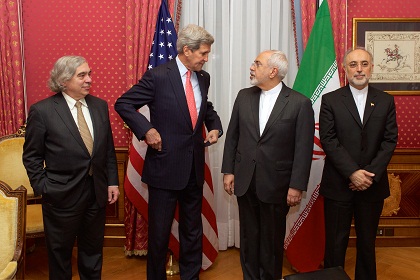
Zarif-Kerry Courtesy: Wikipedia
17 July 2015

Iran sanctions: journey’s end

A journey which began in Istanbul in 2012 ended in triumph in Vienna in July 2014, as the P5+1 countries and Iran announced a Joint Plan of Comprehensive action that would see Iran free of all economic sanctions while upholding the right to a civil nuclear programme. While this journey, fraught with challenges, technically is over, the ratification battle in the U.S. congress commences now
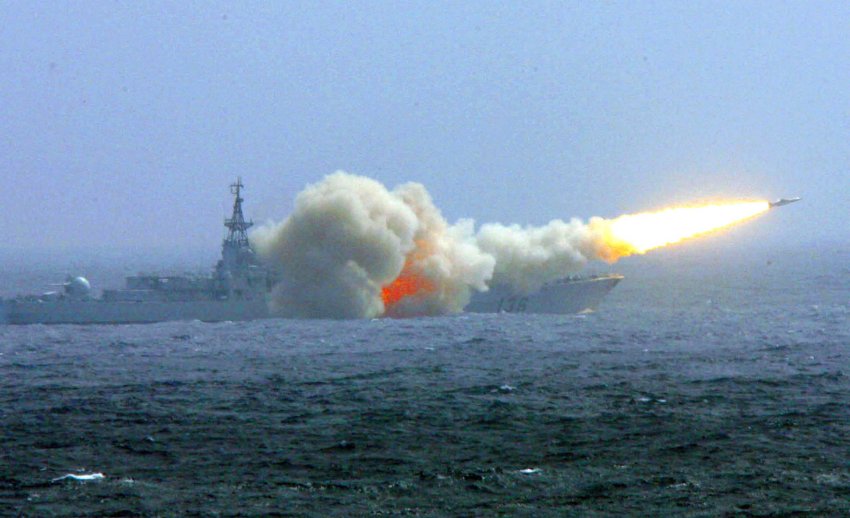
In this photo released by China's Xinhua news agency, a destroyer of the South China Sea Fleet of the Chinese Navy fire a missile during a traning in South China Sea on Saturday, Nov. 17, 2007. Dozen of warships of the South China Sea Fleet were deployed in the competitive training to improve combat capability of the fleet, Xinhua said.  (AP Photo/Xinhua, Zha Chunming) Courtesy: India Strategic
16 July 2015

Military strategies collide in the Asia-Pacific

The recent re-evaluation by the US, China, Japan, and Russia of their military strategies reflects new geopolitical equations in which the Asia Pacific is a major strategic intersection. Turmoil in this region can impact India’s trade and security interests, and to avoid this India must craft a balance between its relations with all the countries involved

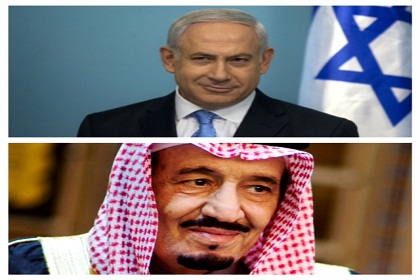
Israel-Saudi Courtesy: Wikipedia
13 July 2015

Reassessing our Israel, Arab engagement

The announcement in June of a Saudi-Israeli alliance against Iran has to be seen in the context of the strategic dimensions of India’s relations with Saudi Arabia, Israel, Iran, and the U.S. And it has far-reaching implications for India’s policy towards West Asia

Kerry in Pakistan Courtesy: US Embassy in Pakistan
25 June 2015

Beguiling Americans: a guide for Indian diplomats

Pakistan continues to receive succour from its long-time ally, the U.S., despite blundering about in its neighbourhood unabashedly- be it through righteous indignation or through generous courtesies. The external affairs ministry needs to improve its approach towards U.S. officials who are visiting India in order to better its relation with the country.

PRISM_logo by NSA Courtesy: NSA/Wikimedia Commons
20 May 2015

Exposing NSA’s fallibility

This month’s U.S. Appeals Court ruling that deemed illegal the collection of bulk phone records by the U.S. NSA—falsely claimed by U.S. officials as having helped detect 26/11 plotter David Headley—is another nail in the coffin of the U.S. surveillance programme. However, detection of terrorist activity and prosecution of perpetrators remains as problematic as ever

Policy Perspectives
Tejas 2 Courtesy: Wikipedia
12 May 2015

Defence and India’s private sector

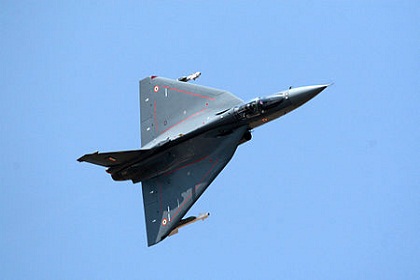
Rapidly evolving security threats in India's neighbourhood and a number of accidents means it is critical for India to invest in the modernisation as well as the indigenisation of India's rapidly obsolescing defence equipment. This policy perspective provides recommendations on what role Indian private sector can play in the modernisation of India's defence sector