Is this World War III?
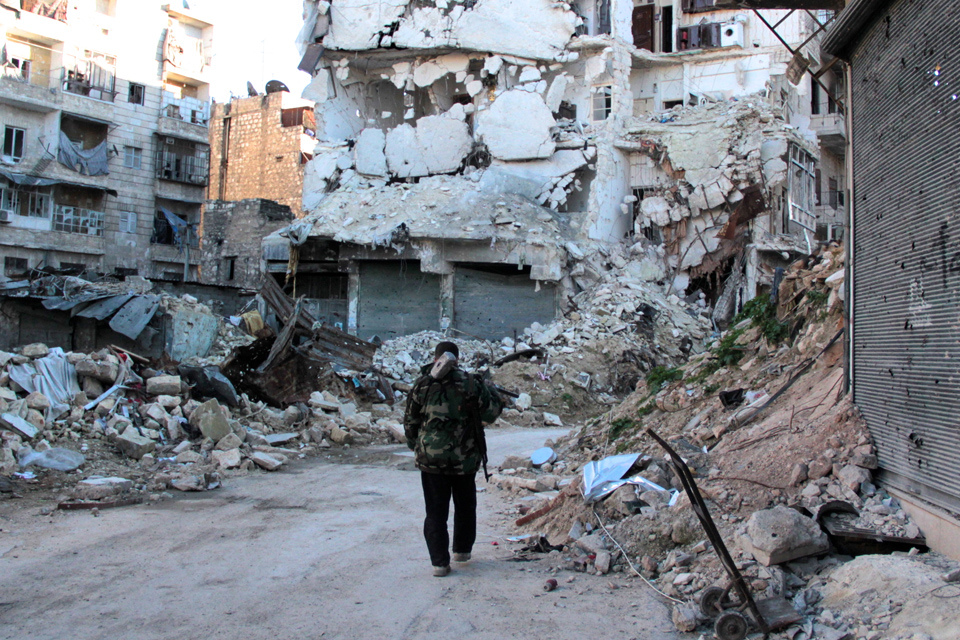
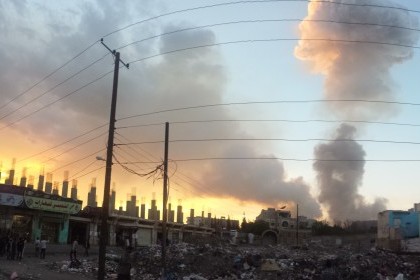
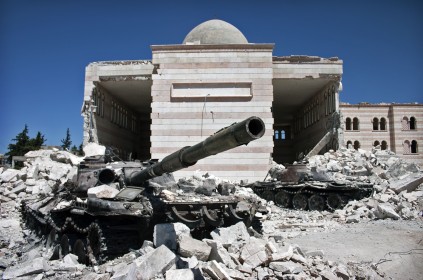
The U.S.-led bombings on ISIS locations have France and the British as its partners. On the other hand is Russia -- targeting the Islamic State but with a primary aim of keeping Assad in power. Is this then World War III?
Courtesy:
The U.S.-led bombings on ISIS locations have France and the British as its partners. On the other hand is Russia -- targeting the Islamic State but with a primary aim of keeping Assad in power. Is this then World War III?
Courtesy: Dawn Endico
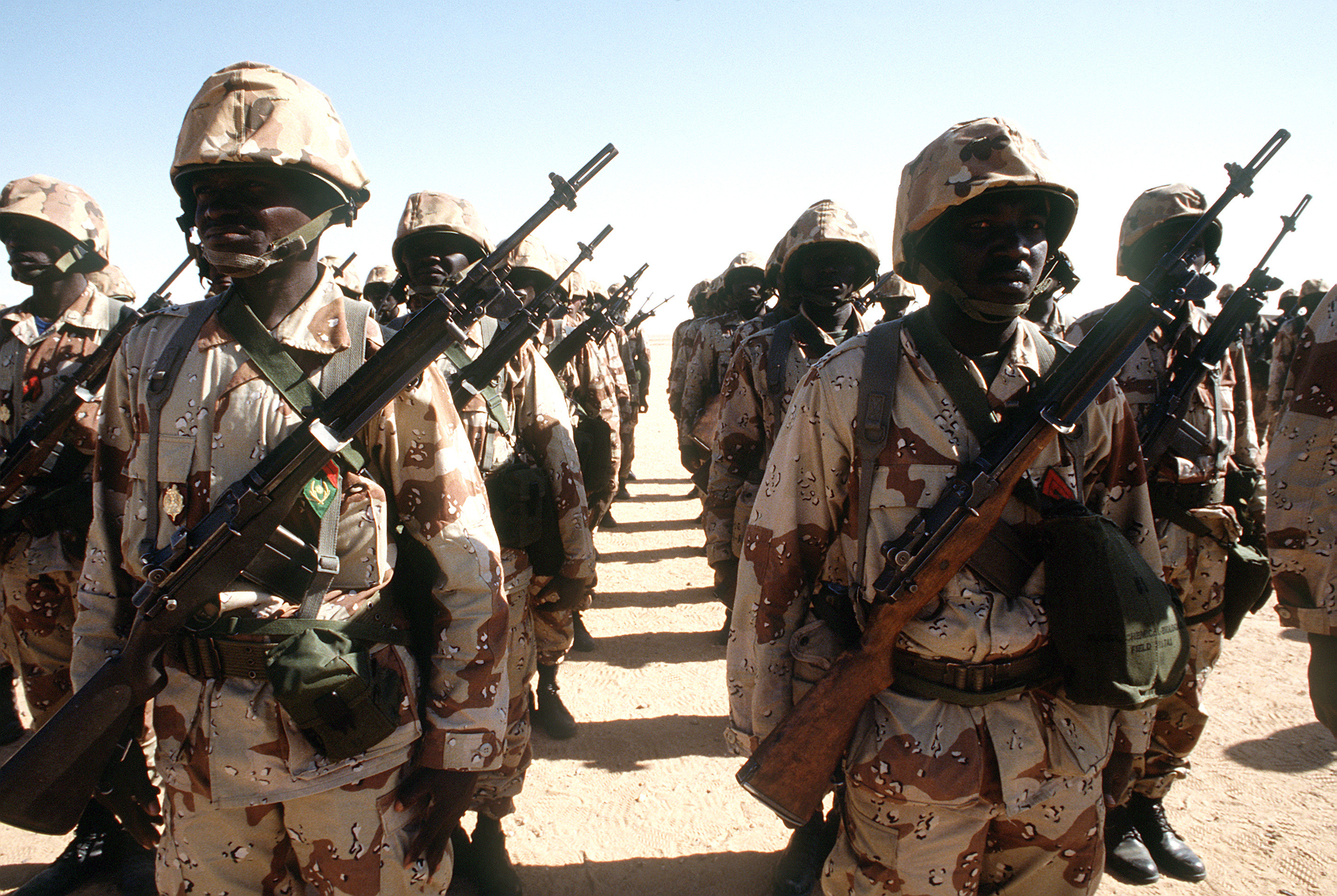
Today ISIS is the gravest international security threat. To defeat ISIS, the world should pay heed to India’s experience of the need to isolate state sponsors of terrorism. Ultimately, only when Saudi Arabia acknowledges the danger to its own survival from past policies of alleged support to extremist groups, can it be a reliable partner in the fight against ISIS.
Courtesy: Presidencia Ecuador / Flickr
The Ecuadorian president’s first-ever state visit to India this month was cancelled, possibly because four of seven helicopters supplied by HAL to Ecuador have crashed. But this hurdle can be overcome, and ties between the two countries can expand beyond defence and oil to sectors such as pharma, IT, and agribusiness.
Courtesy: Wikipedia
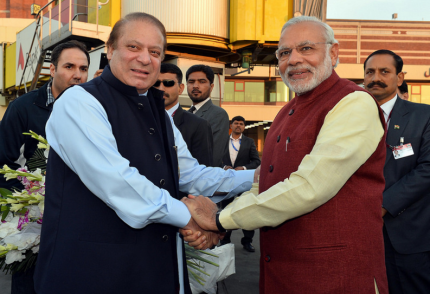
Barely three weeks after Pakistan’s Prime Minister Nawaz Sharif’s official visit, the other Sharif -- General Raheel Sharif -- sets foot on U.S. soil, albeit without an official invitation. Will Gen. Sharif get what he wants from the U.S. to further his game plan?
Courtesy:
This year, India's defence diplomacy has ramped up. In 2015 alone there have been 18 military exercises- naval, army and air force- with 13 countries, among the largest engagements the country has had. Most significant is Japan joining the Malabar exercises in the Bay of Bengal and the first-ever maritime exercise with Australia. This is increasing India's presence from the Arabian Sea to the Bay of Bengal. As these exercises intensify India will be better positioned to handle regional security challenges.
Courtesy: Wikipedia
The recent U.S. and China agreement to contain cyber espionage will not only impact their bilateral relationship, it will also create norms in international cyberspace. But implementation remains a challenge, and businesses, including in India, that have faced cyber threats must proactively plug their vulnerabilities
Courtesy:
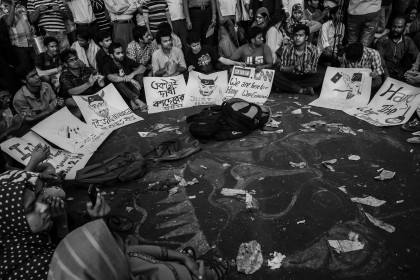
GLC Policy Conclave Session 2: Contemporary Trends in Global Terrorism Anupam Dasgupta (AD): Terrorism as we all know is criminal violence and a lot more. Is it just criminal violence or is it somewhat different from murder and assault Read more
Courtesy: Wikipedia
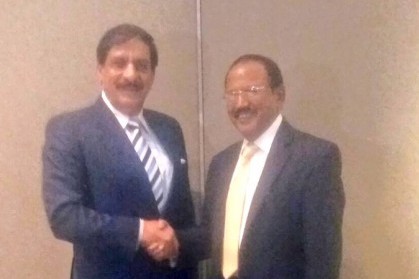
The cancellation of the August 23-24 meeting of the national security advisors of India and Pakistan follows a pattern of unrealistic expectations raised and then quickly dashed. This is compounded by Pakistan’s long history of denial on numerous issues. It may be time for both countries to abjure high-profile diplomacy and turn to small confidence-building measures.
Courtesy: Wikipedia
A report by the Carnegie Endowment and the Stimson Center attempts to recognise Pakistan’s nuclear programme as ‘normal’ and India’s as not. However, with dangerous new additions to Islamabad’s arsenal, a throwback to simplistic US rationalisations still won’t bring Pakistan into the non-proliferation mainstream.
Courtesy: Erwin Franzen/Wikimedia
The August attack in Kabul and the now public disclosure of the death of Taliban leader Mullah Omar has caused Afghan President Ashraf Ghani to shift in outlook towards Pakistan. The "Pakistan-led" peace process is now tumbling like a house of cards backed implicitly by the United States.