Indo-Pacific: New Geostrategic Reality
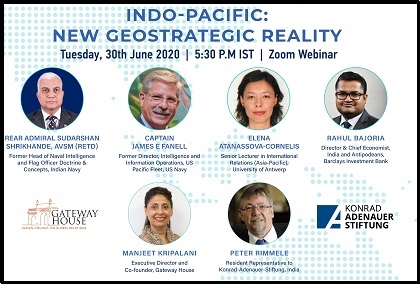
On 30th June, 2020 Gateway House in association with Konrad-Adeneur-Stiftung (KAS) co-hosted a webinar on Indo-Pacific: New Geo strategic reality.

 Courtesy: Gateway House
On 30th June, 2020 Gateway House in association with Konrad-Adeneur-Stiftung (KAS) co-hosted a webinar on Indo-Pacific: New Geo strategic reality.
 Courtesy: Twitter/@MaithripalaS
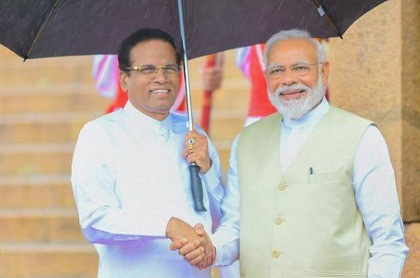
India is subtly adding four new elements in the policy matrix
 Courtesy: Dying Regime / Flickr
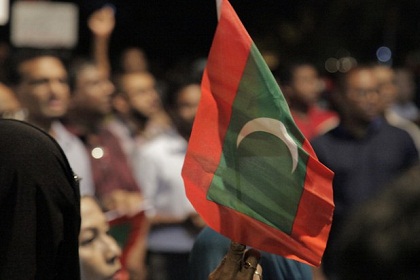
Maldives’ new president, Ibrahim Solih, has had two election wins in a span of six months – his own in September 2018 and his Maldivian Democratic Party’s landslide victory in the Majlis elections about three weeks ago. An analysis of what this win says about democratic politics in Maldives, improved relations with India and the complex equation it shares with China
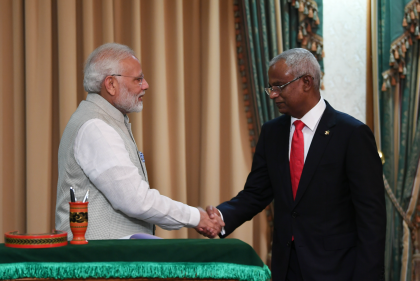 Courtesy: MEA Flickr
Maldives president Mohamed Solih comes to India this week, fresh from his election win and with a host of good intentions. His aim is to recast the bilateral and restore balance in Maldives’ external relations after the previous president’s China-centric leanings. Such a reversal may not emerge instantly
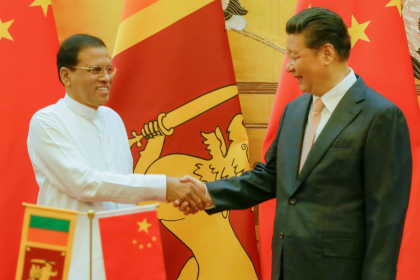 Courtesy: MEA Flickr
The current political unrest in Sri Lanka and coups in Maldives and Zimbabwe bear a Chinese imprint. China’s use of strong-arm tactics smacks of the very behaviour that it had earlier criticised in former colonial powers
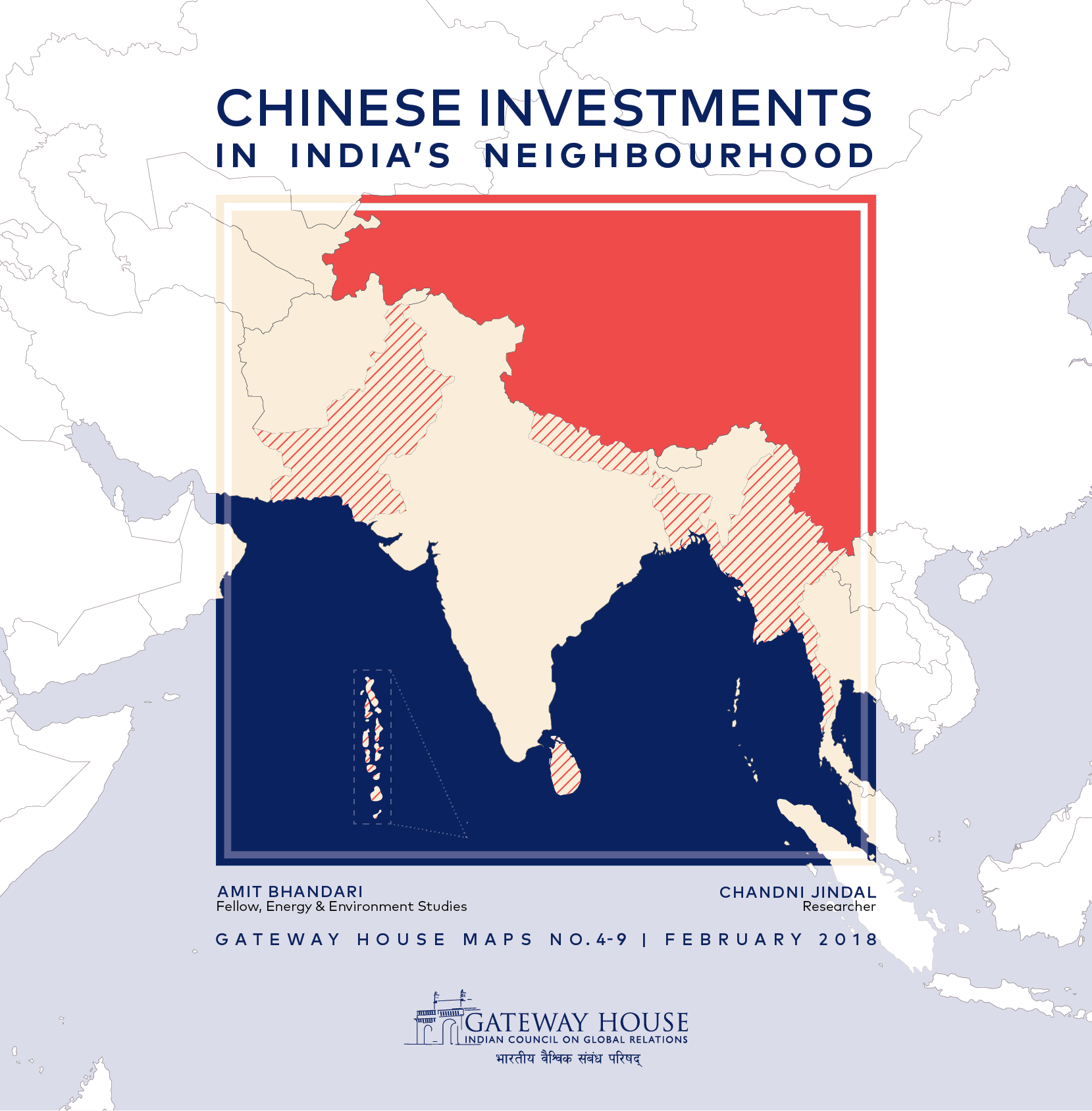
India and the world have watched China’s growing investment in Asia and beyond with a mix of awe and apprehension. The unprecedented scale of these investments are reshaping political arrangements around South Asia.
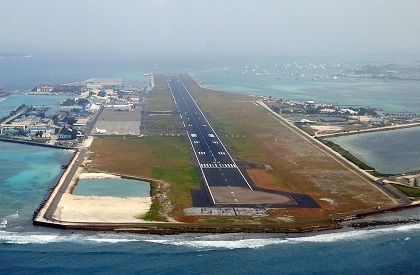 Courtesy: Wikipedia
The recent crisis in the Maldives is a pertinent time to revisit an old case, highlighting the political uncertainties in the island nation due to growing Chinese influence and its impact on businesses and investors
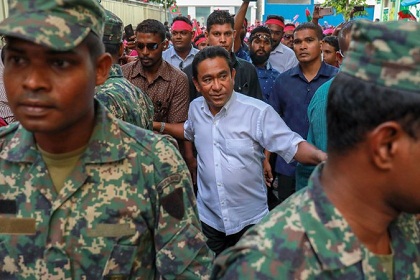 Courtesy: New York Times
The crisis in the Maldives is a case study of Chinese investments undermining democratic institutions in smaller countries. It poses long term threats to India’s economic and political security. And almost overnight, it has turned the Indian Ocean into the Indo-Pacific
 Courtesy: Gateway House
This speech was delivered by Rajiv Bhatia, Distinguished Fellow, Foreign Policy Studies, Gateway House and Chair, FICCI Task Force on Blue Economy, at the Indian Ocean Rim Association Senior Officials Meeting in Jakarta
 Courtesy: Saddahaq.com
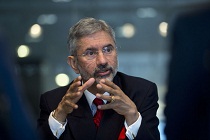
The SAARC Yatra to be undertaken by foreign secretary S. Jaishankar from March 1 is an opportunity for India to improve relations, resurrect stalled projects and create new synergies with its neighbourhood. An initiative like this could hold the key to India shedding the ‘hegemon’ tag and pursuing mutually beneficial policies with its neighbours
.png)